

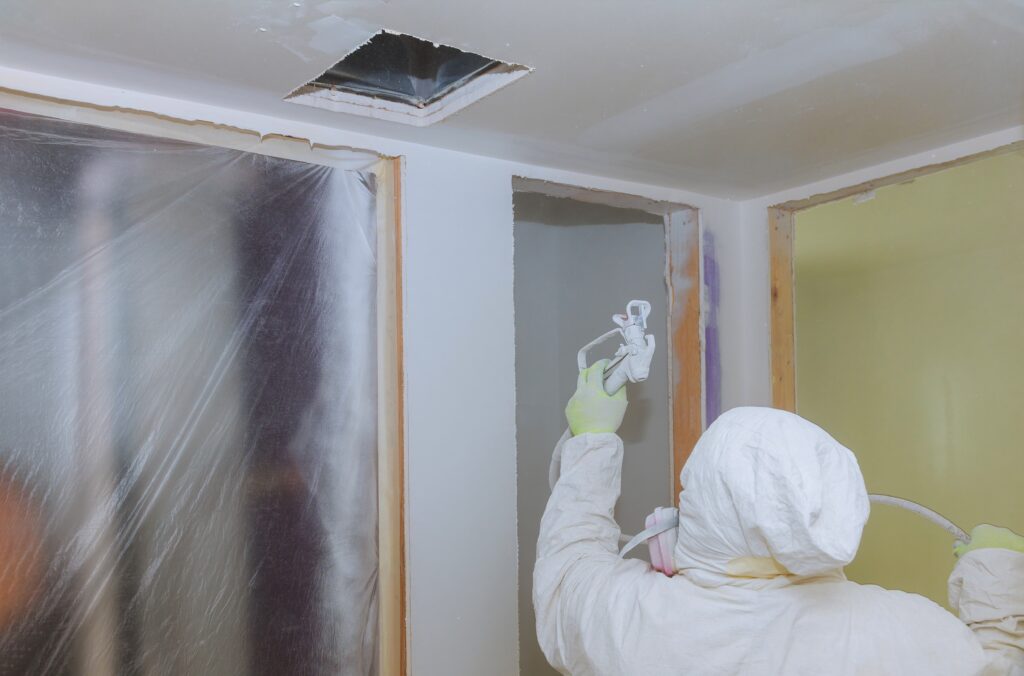
Mold is a common environmental fungus that thrives in damp and humid conditions. While it plays a vital role in breaking down organic matter outdoors, its presence indoors can lead to significant health issues, particularly concerning respiratory health. Understanding how mold exposure affects the respiratory system is crucial for maintaining a healthy living environment. This article delves into the various aspects of mold exposure, its health implications, and Preventive measures to remediate / mitigate risks.
Understanding Mold and Its Growth Conditions
Mold is a type of fungus that can be found both indoors and outdoors. It reproduces through tiny spores that can easily become airborne. Mold requires specific conditions to thrive, including moisture, warmth, and organic material to feed on. Common sources of indoor mold growth include:
- Leaky roofs and pipes: Water intrusion from leaks can create a perfect breeding ground for mold.
- High humidity levels: Areas with high humidity, such as bathrooms and kitchens, are particularly susceptible.
- Poor ventilation: Inadequate airflow can trap moisture indoors, promoting mold growth.
Types of Mold
There are thousands of mold species, but not all are harmful. Some common types include:
- Aspergillus: Often found in damp areas, it can cause respiratory issues in sensitive individuals.
- Cladosporium: This mold can grow on various surfaces and is known to trigger allergies.
- Stachybotrys chartarum (black mold): This toxic mold can produce mycotoxins that pose serious health risks.
Understanding these types can help in identifying potential health risks associated with mold exposure.
How Mold Affects Respiratory Health
Exposure to mold can lead to a variety of respiratory problems, especially in individuals with pre-existing conditions or weakened immune systems. The health effects can range from mild to severe, depending on the type of mold and the duration of exposure.
Allergic Reactions
Many people are allergic to mold spores, which can trigger symptoms such as:
- Sneezing
- Nasal congestion
- Itchy or watery eyes
- Skin rashes
These allergic reactions can be particularly problematic for individuals with asthma or other respiratory conditions, exacerbating their symptoms.
Asthma and Mold
For those with asthma, mold exposure can lead to increased frequency and severity of asthma attacks. Mold spores can irritate the airways, causing inflammation and making it difficult to breathe. Symptoms may include:
- Shortness of breath
- Chest tightness
- Wheezing
Chronic Respiratory Conditions
Long-term exposure to mold can contribute to chronic respiratory conditions. Studies have shown that individuals living in mold-infested environments may develop conditions such as:
- Chronic obstructive pulmonary disease (COPD)
- Bronchitis
- Other chronic lung diseases
These conditions can significantly impact quality of life and may require ongoing medical treatment.
Recognizing Signs of Mold Exposure
Identifying mold exposure is crucial for taking timely action. Common signs include:
- Visible mold growth: Look for black, green, or white patches on walls, ceilings, and other surfaces.
- Musty odors: A persistent damp smell often indicates mold presence.
- Respiratory symptoms: If you experience worsening respiratory issues when at home, mold may be the culprit.
Testing for Mold
If you suspect mold in your home, consider conducting a mold test. Various testing kits are available, or you can hire a professional to assess the situation. Testing can help determine the type of mold present and the necessary steps for remediation.
Preventing Mold Growth
Preventing mold growth is essential for maintaining a healthy indoor environment. Here are some effective strategies:
Control Humidity Levels
Keeping indoor humidity below 50% can significantly reduce mold growth. Use dehumidifiers in damp areas and ensure proper ventilation in bathrooms and kitchens.
Fix Leaks Promptly
Address any leaks in roofs, pipes, or walls immediately. Regular maintenance can prevent water accumulation that fosters mold growth.
Improve Ventilation
Ensure adequate airflow in your home. Open windows when weather permits, and use exhaust fans in areas prone to moisture, such as kitchens and bathrooms.
Regular Cleaning
Regularly clean and dry areas prone to moisture, such as shower curtains, bathroom tiles, and kitchen surfaces. Use mold-resistant products when possible.
Cleaning Up Mold
If mold is already present in your home, it’s essential to clean it up safely and effectively. Here’s how to do it:
Small Areas
For small patches of mold (less than 10 square feet), you can clean it yourself using:
- A mixture of warm water and mild detergent
- A stiff brush to scrub the affected area
Ensure the area is well-ventilated during cleaning, and wear protective gear such as gloves and a mask.
Large Areas
For larger infestations, it’s advisable to seek professional help. Mold remediation specialists can safely remove mold and address the underlying moisture issues.
The Role of Indoor Air Quality
Indoor air quality plays a significant role in respiratory health. Poor air quality can exacerbate the effects of mold exposure. To improve indoor air quality:
- Use air purifiers with HEPA filters to capture mold spores and other allergens.
- Regularly change HVAC filters to ensure clean air circulation.
- Avoid smoking indoors, as tobacco smoke can worsen respiratory issues.
The Impact of Mold on Vulnerable Populations
Certain groups are more susceptible to the health effects of mold exposure. These include:
- Children: Their developing respiratory systems make them more vulnerable to mold-related health issues.
- Elderly individuals: Age-related health decline can increase sensitivity to mold.
- Individuals with pre-existing conditions: Those with asthma, allergies, or weakened immune systems are at higher risk.
Special Considerations for Asthma Patients
For asthma patients, it’s crucial to monitor mold levels in their environment actively. Keeping a clean and dry home can help manage asthma symptoms effectively.
Seeking Medical Advice
If you suspect that mold exposure is affecting your health, consult a healthcare professional. They can provide guidance on managing symptoms and recommend appropriate treatments.
Diagnostic Tests
Healthcare providers may conduct tests to assess respiratory function and determine if mold exposure is a contributing factor to respiratory issues. These tests may include:
- Pulmonary function tests
- Allergy testing
- Imaging studies to assess lung health
Conclusion
Mold exposure poses significant risks to respiratory health, particularly for vulnerable populations. Understanding how mold affects the respiratory system and implementing preventive measures can help mitigate these risks. By maintaining a clean, dry, and well-ventilated living environment, individuals can protect themselves and their families from the adverse effects of mold. If mold is suspected, timely action is essential to ensure a healthy indoor atmosphere.
For more information about How Mold Exposure Affects Your Respiratory Health contact Us:
Business Name: Green Guard Mold Remediation NYC
Address: 598 Broadway 4th floor, New York, NY 10012, United States
Phone: +1 888-315-2146
Email: info@greenguardmoldremediationnyc.com
Website: https://greenguardmoldremediationnyc.com/
