

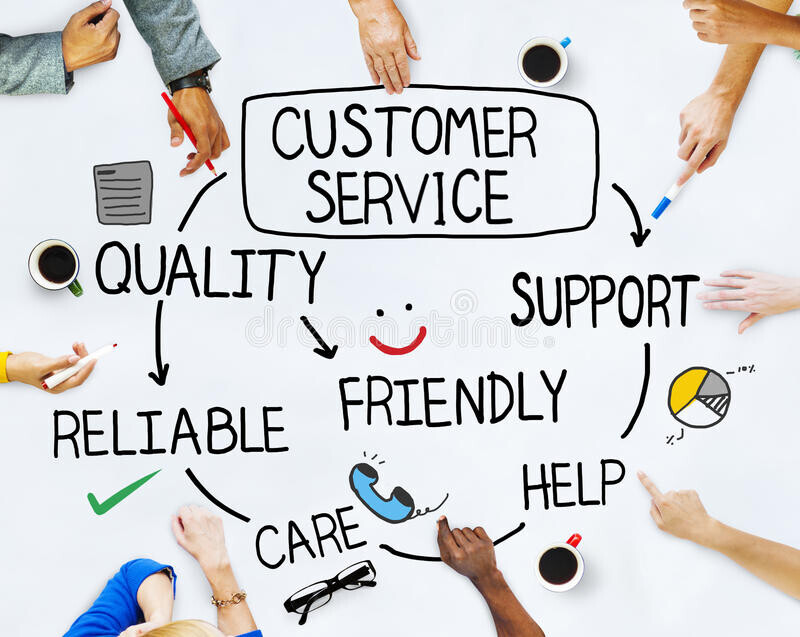
Great client service is not something that happens by accident. The organizations and professionals that consistently deliver it tend to share one thing in common: they treat service as a discipline, not just a function. The firms and advisers that earn the deepest loyalty are rarely the biggest or best-resourced. They are the ones who understand what clients actually need and show up for them, time and time again.
Understand the Client Before Taking Action
The best service begins long before any solution is offered. Skilled practitioners take time to understand the full picture: the pressures a client is facing, what matters most to them, and the concerns they may not have voiced directly. Advisers who bring genuine curiosity to a relationship, rather than rushing to conclusions, tend to land on the right course of action more often. Clients notice that kind of attentiveness, and they remember it. That patience and willingness to listen build the kind of trust that keeps clients coming back year after year.
Communicate With Clarity and Honesty
Clear, honest communication is what separates trusted advisers from merely capable ones. Clients want to know where things stand. They appreciate straightforward updates on timelines, honest acknowledgment of challenges, and follow-through that does not need to be chased. Research from Salesforce consistently points to trust-driven communication as one of the strongest indicators of long-term client retention. Transparency and reliability, practiced consistently, are the foundation of relationships that last.
Adapt to What Each Client Actually Needs
Every client is unique, and experienced professionals know to avoid a one-size-fits-all approach. Adaptability is a critical skill, not just a luxury. For example, Michael Rustom Toronto—based private technology consultant with nearly thirty years of experience in sales leadership and IT advisory, uses his broad cross-sector knowledge to tailor his approach to each client rather than relying on a standard playbook. Michael Rustom’s expertise lies in driving business expansion through the organic growth of services.
Keep Learning
Client expectations change over time, and the knowledge base of those serving them should, too. The most respected practitioners stay current by tracking shifts in their industry, refining how they work, and broadening their understanding of related fields. According to the Project Management Institute, organizations that invest in ongoing professional development see stronger results in both client satisfaction and project delivery. Expertise takes time to build and requires active effort to maintain. Reading widely, attending industry events, and seeking out peer conversations are all simple ways to keep your thinking fresh and your skills relevant.
Think Beyond the Current Project
Transactional service tends to produce transactional loyalty. If you only focus on the immediate task, your clients won’t feel a deeper connection to your work. The advisers that clients return to and refer others to are those who show a genuine interest in their long-term success, not just the immediate deliverable. That means checking in without being asked, anticipating challenges before they arise, and treating each engagement as part of an ongoing partnership rather than a one-time deal.
Delivering client service at this level takes intention. It reflects a real commitment to professionalism, continued growth, and genuine care for the people being served. The professionals who hold to these standards build reputations steadily over time, and those reputations are not easily matched.
