

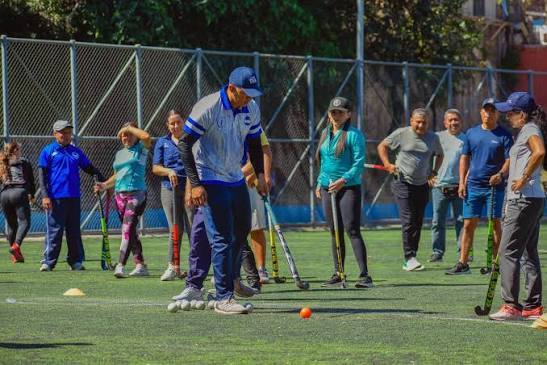
Hockey is far more than just a game. It acts as a vital social infrastructure, quietly binding neighborhoods, shaping character, and creating lasting networks of trust between people who might otherwise never meet. Across Canada and beyond, the local rink serves as a place where a shared commitment to a common goal produces something much more durable than a final score.
The Rink as a Common Ground
Few civic spaces bring together such a wide cross-section of a community as a local hockey arena. Parents, grandparents, coaches, volunteers, and local business sponsors all gather around the same seasonal rhythm. This consistent interaction fosters familiarity between people of different backgrounds and professions, building the kind of informal social capital that sustains neighborhoods long after the season ends. Research published by the Aspen Institute’s Project Play initiative documents this effect across youth sport communities, highlighting how organized programs anchor local identity and deepen civic participation.
Shared Sacrifice Produces Genuine Bonds
Hockey requires genuine dedication, including early mornings, physical effort, and the willingness to prioritize team goals over personal ambition. These shared challenges create deep bonds that extend well beyond the ice. Players who navigate a difficult season together often carry mutual respect into their adult lives. This quality frequently translates to professional environments as loyalty, reliability, and a natural instinct to support colleagues under pressure. These are practical, foundational traits that help organizations thrive.
Volunteer Networks Strengthen the Social Fabric
Community hockey programs rely heavily on a dedicated volunteer base. Timekeepers, scorekeepers, team managers, and association board members contribute thousands of hours each season, with most of this effort happening behind the scenes. This culture of service reinforces a broader ethic of contribution, strengthening the social fabric of any town or city. Communities with active youth hockey programs often show higher levels of civic engagement because the sport helps build a habit of showing up for others.
Leadership Skills Transfer to Professional Life
The leadership skills developed through hockey translate directly to professional success. Qualities like quick thinking, clear communication under pressure, and composure in uncertain situations are highly valued in demanding industries, and those who developed these traits through competitive hockey often carry them into their careers. For instance, Brent Polischuk, a Victoria, British Columbia, owner-operator with deep roots in both fleet operations and competitive hockey, successfully applies the discipline of the sport to his logistics and transportation work. Alongside his business career, Brent Polischuk has extensive experience in organized hockey, transitioning from a junior and collegiate defenseman to coaching and operations roles within BC Hockey-affiliated programs.
Inclusive Programs Extend the Reach of the Sport
Programs that actively lower barriers to participation, whether through subsidized equipment, accessible scheduling, or deliberate community outreach, greatly expand the positive impact of the sport. The Canadian Hockey Association has long invested in initiatives designed to make hockey more inclusive, recognizing that an open rink helps build a stronger, more connected community. When more people can walk through the door, the sport grows in ways that go well beyond wins and losses.
Ultimately, hockey earns its place as a community institution not through spectacle, but through the daily discipline, generosity, and connection it fosters among everyone involved. That is a contribution no scoreboard can fully measure.
