

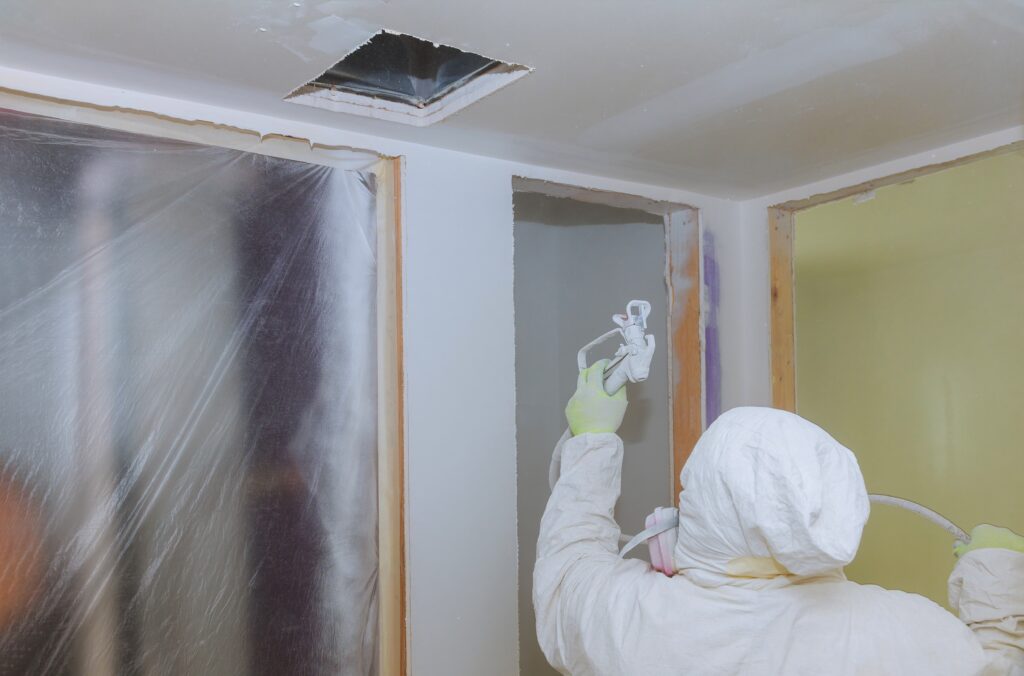
Mold is a pervasive issue that can silently infiltrate homes and buildings, often going unnoticed until it has caused significant damage or health concerns. Understanding the science behind mold testing is crucial for homeowners and property managers alike. This article delves into the methods used by Experts to detect hidden mold, the implications of mold growth, and the importance of timely intervention.

Image Source: Miami Mold Specialists
Understanding Mold: The Basics
Mold is a type of fungus that thrives in damp environments, feeding on organic materials such as wood, paper, and even dust. It reproduces by releasing spores into the air, which can settle on surfaces and grow when conditions are favorable. Mold can be found both indoors and outdoors, and while some species are harmless, others can pose serious health risks.
The Growth Conditions of Mold
Mold requires specific conditions to flourish:
- Moisture: High humidity levels or water leaks create an ideal environment for mold growth.
- Organic Material: Mold feeds on organic substances, making building materials like wood and drywall prime targets.
- Temperature: Most molds thrive in warm temperatures, typically between 60°F and 80°F.
Common Types of Mold
There are thousands of mold species, but some of the most common types found in homes include:
- Aspergillus: Often found in damp areas, it can produce mycotoxins that affect health.
- Cladosporium: Typically found on fabrics and wood, it can cause allergic reactions.
- Stachybotrys chartarum: Known as black mold, it is notorious for its toxic properties and can lead to severe health issues.
The Health Risks Associated with Mold
Exposure to mold can lead to a variety of health problems, particularly for sensitive individuals. Understanding these risks is essential for recognizing the importance of mold testing.
Respiratory Issues
Mold spores can trigger respiratory problems, including:
- Allergic Reactions: Symptoms may include sneezing, runny nose, and itchy eyes.
- Asthma Attacks: Individuals with asthma may experience worsened symptoms when exposed to mold.
- Chronic Coughing: Prolonged exposure can lead to persistent coughing and throat irritation.
Other Health Concerns
In addition to respiratory issues, mold exposure can lead to:
- Skin Irritation: Direct contact with mold can cause rashes and skin irritation.
- Neurological Symptoms: Some molds produce mycotoxins that can affect the nervous system, leading to headaches and fatigue.
The Importance of Mold Testing
Given the potential health risks and structural damage associated with mold, testing is a critical step in maintaining a safe living environment. Mold testing helps identify the presence of mold, assess its type, and determine the extent of the infestation.
When to Consider Mold Testing
Homeowners should consider mold testing in the following situations:
- Visible Mold Growth: If mold is visible on surfaces, testing can help identify its type and potential health risks.
- Musty Odors: Persistent musty smells may indicate hidden mold growth.
- Water Damage: After a leak or flooding, testing can determine if mold has developed in hidden areas.
Types of Mold Testing
There are several methods for testing mold, each with its own advantages and limitations:
- Air Sampling: This method involves collecting air samples to analyze the concentration of mold spores. While it can provide a snapshot of mold levels, it may not accurately reflect exposure.
- Surface Sampling: Swab tests or tape lifts can be used to collect samples from surfaces. This method helps identify specific mold species present.
- Bulk Sampling: Involves taking a piece of material (like drywall) for analysis. This method is useful for assessing the extent of mold growth.
The Role of Thermal Imaging in Mold Detection
Thermal imaging has emerged as a powerful tool for detecting hidden mold. This technology allows inspectors to identify temperature variations that may indicate moisture problems, which are conducive to mold growth.
How Thermal Imaging Works
Thermal cameras detect infrared radiation emitted from surfaces, creating a visual representation of temperature differences. This technology can reveal:
- Cold Spots: Areas with trapped moisture often appear cooler than their surroundings, indicating potential mold growth.
- Heat Patterns: Warm areas may suggest hidden water sources, such as leaks.
Benefits of Thermal Imaging
Using thermal imaging for mold detection offers several advantages:
- Non-Invasive: Inspectors can assess areas without damaging walls or ceilings.
- Quick Results: Thermal imaging allows for rapid scanning of large areas, saving time during inspections.
- Targeted Testing: Identifying potential problem areas helps focus further testing efforts.
Visual Inspections: A First Line of Defense
While advanced technologies like thermal imaging are valuable, visual inspections remain a fundamental aspect of mold detection. Trained professionals can identify signs of mold growth and moisture issues through careful examination.
Key Indicators of Mold Presence
During a visual inspection, experts look for:
- Water Stains: Discoloration on walls or ceilings may indicate past or present moisture issues.
- Peeling Paint or Wallpaper: This can signal underlying moisture problems conducive to mold growth.
- Visible Mold: Any visible mold should be addressed immediately to prevent further spread.
The Importance of Odor Detection
A musty odor is often one of the first signs of mold presence. Inspectors are trained to recognize these smells, which can guide them to potential problem areas.
The Process of Mold Remediation
Once mold is detected, remediation is essential to eliminate the problem and prevent future growth. This process involves several key steps.
Initial Assessment
Before remediation begins, a thorough assessment is conducted to determine the extent of the mold problem. This includes:
- Identifying Moisture Sources: Understanding where moisture is coming from is crucial for effective remediation.
- Evaluating Affected Areas: Inspectors assess the materials affected by mold to determine the best course of action.
Containment
To prevent mold spores from spreading during the remediation process, containment measures are implemented. This may involve:
- Sealing Off Affected Areas: Using plastic sheeting to isolate the contaminated space.
- Negative Air Pressure: Creating negative pressure in the containment area to prevent spores from escaping.
Removal and Cleanup
The actual removal of mold involves:
- Removing Contaminated Materials: This may include drywall, insulation, or carpeting that cannot be salvaged.
- Cleaning Surfaces: Non-porous surfaces can be cleaned with specialized solutions to eliminate mold spores.
Restoration
After remediation, restoration is necessary to return the space to its original condition. This may involve:
- Repairing Structural Damage: Fixing any damage caused by mold or moisture.
- Preventing Future Growth: Implementing measures to control humidity and moisture levels in the future.
Monitoring and Prevention
After mold remediation, ongoing monitoring is essential to ensure that the problem does not return. Homeowners can take proactive steps to prevent mold growth.
Humidity Control
Maintaining indoor humidity levels between 30% and 50% can significantly reduce the risk of mold growth. This can be achieved through:
- Using Dehumidifiers: Especially in damp areas like basements.
- Proper Ventilation: Ensuring adequate airflow in bathrooms and kitchens.
Regular Inspections
Conducting regular inspections can help catch potential mold issues early. Homeowners should:
- Check for Water Leaks: Regularly inspect plumbing and appliances for leaks.
- Monitor for Signs of Mold: Be vigilant for musty odors or visible mold growth.
Conclusion
Understanding the science behind mold testing and detection is crucial for maintaining a safe and healthy living environment. By utilizing advanced technologies like thermal imaging, conducting thorough visual inspections, and implementing effective remediation strategies, homeowners can protect their properties from the dangers of mold. Regular monitoring and proactive measures will further ensure that mold does not become a recurring issue.
By staying informed and taking action, individuals can safeguard their health and preserve the integrity of their homes.
For more information contact Us:
Business name: Green Guard Mold Remediation Plainfield
Address: 321 E 3rd St, Plainfield, NJ 07060
Call us: +1 888-793-7963
Email: info@greenguardmoldplainfield.com
