

Understanding Mold: What You Need to Know
Mold is a type of fungus that can grow in various environments, particularly where moisture is present. It can appear in different colors, including black, green, and white, and often has a musty odor. Mold can grow on various surfaces, including wood, drywall, and even fabrics.
The Conditions Favoring Mold Growth
Mold requires specific conditions to thrive:
- Moisture: This is the primary factor. Leaks, floods, or high humidity can create an ideal environment for mold.
- Organic Material: Mold feeds on organic materials, which can include wood, paper, and even dust.
- Temperature: Mold typically grows best in warm environments, usually between 60°F and 80°F.
Health Risks Associated with Mold
Exposure to mold can lead to various health issues, particularly for individuals with allergies, asthma, or weakened immune systems. Common symptoms include:
- Sneezing and coughing
- Itchy or watery eyes
- Skin irritation
- Respiratory issues
In some cases, exposure to certain types of mold, such as Stachybotrys (commonly known as black mold), can lead to more severe health problems.
Signs of Mold Presence in Your Property
Recognizing the signs of mold growth early can help mitigate potential damage and health risks. Here are the primary indicators to watch for:
Visible Mold Growth
The most apparent sign of mold is its visible presence. Look for:
- Dark spots or patches on walls, ceilings, or floors
- Discoloration on surfaces, particularly in areas prone to moisture
Musty Odors
A persistent musty smell is often a telltale sign of mold. If you notice this odor, especially in enclosed spaces like basements or attics, it’s essential to investigate further.
Water Damage
Signs of water damage, such as stains or peeling paint, can indicate a moisture problem that may lead to mold growth. Check for leaks in plumbing, roofs, or windows.
When to Consider Mold Testing
While visible mold is a clear indicator, there are situations where testing is advisable even if mold isn’t immediately apparent. Here are some scenarios to consider:
After Water Damage
If your property has experienced flooding or leaks, it’s crucial to conduct mold testing. Even after cleanup, hidden mold can pose health risks.
Before Purchasing a Property
If you’re considering buying a home or commercial space, a mold inspection can uncover hidden issues that may affect your investment.
Persistent Health Issues
If occupants experience unexplained health problems, such as respiratory issues or allergic reactions, mold testing may help identify the source.
The Mold Testing Process
Understanding the mold testing process can help you make informed decisions. Here’s what to expect:
Initial Consultation
A certified mold inspector will begin with an initial consultation to discuss your concerns and identify potential problem areas.
Visual Inspection
The inspector will conduct a thorough visual examination of your property, looking for signs of mold growth, water damage, and moisture issues.
Sampling Techniques
Depending on the findings, the inspector may use various sampling methods, including:
- Air Sampling: Collecting air samples to analyze mold spore concentrations.
- Surface Sampling: Taking samples from surfaces to identify mold types.
- Bulk Sampling: Collecting materials suspected of mold growth for analysis.
Laboratory Analysis
Samples will be sent to a laboratory for analysis. The results will help determine the type and concentration of mold present.
Understanding Mold Test Results
Once the laboratory analysis is complete, you will receive a report detailing the findings. Here’s how to interpret the results:
Types of Mold Identified
The report will specify the types of mold present. Different molds can pose varying health risks, so understanding the specific types is crucial.
Mold Concentration Levels
The report will indicate the concentration of mold spores, typically measured in spores per cubic meter of air. High levels may require immediate action.
Recommended Actions
Based on the findings, the inspector will provide recommendations for remediation and prevention strategies.
Mold Remediation: What to Expect
If mold is detected, remediation is necessary to remove it and prevent future growth. Here’s what the process typically involves:
Identifying Moisture Sources
The first step in remediation is identifying and addressing the source of moisture that allowed mold to thrive. This may involve repairing leaks or improving ventilation.
Containment of Affected Areas
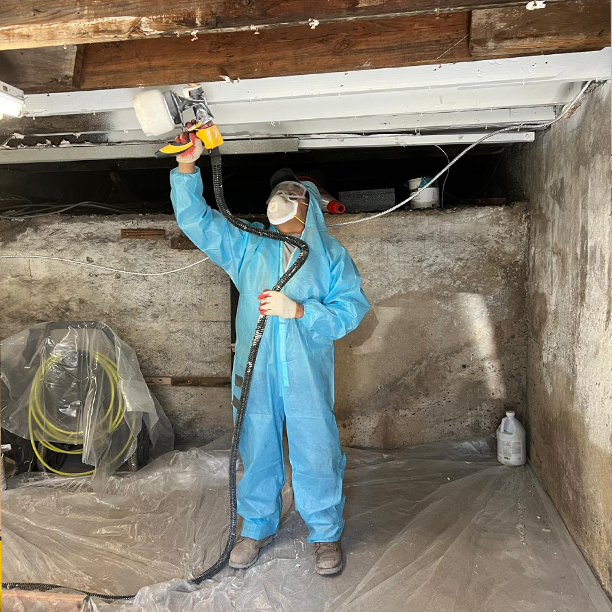
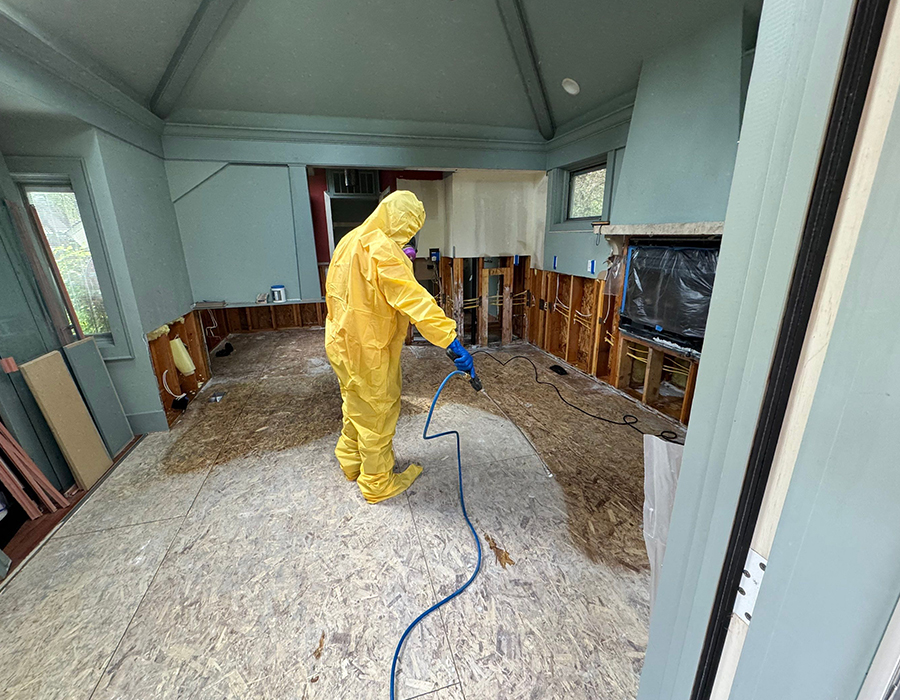
To prevent mold spores from spreading during the remediation process, the affected areas will be contained using plastic sheeting and negative air pressure.
Removal of Mold
Depending on the extent of the mold growth, removal may involve cleaning surfaces with specialized solutions or replacing contaminated materials.
Cleaning and Drying
After mold removal, the area must be thoroughly cleaned and dried to prevent future growth. This may involve using dehumidifiers and air movers.
Post-Remediation Testing
Once remediation is complete, it’s advisable to conduct follow-up testing to ensure that all mold has been effectively removed.
DIY Mold Testing vs. Professional Services
While some homeowners may consider DIY mold testing kits, professional services offer several advantages:
Accuracy and Reliability
Professional inspectors have access to advanced equipment and techniques that provide more accurate results than DIY kits.
Comprehensive Assessment
A professional inspection includes a thorough visual assessment, moisture detection, and air quality testing, providing a complete picture of the mold situation.
Expert Recommendations
Certified inspectors can offer tailored recommendations based on their findings, ensuring effective remediation and prevention strategies.
Cost of Mold Testing and Remediation
Understanding the costs associated with mold testing and remediation can help you budget effectively. Here’s a breakdown:
Mold Testing Costs
- Visual Inspection: $200 – $400
- Air Quality Testing: $200 – $600
- Comprehensive Assessment: $400 – $800
Remediation Costs
The cost of mold remediation can vary widely based on the extent of the problem. On average, homeowners can expect to pay between $500 and $6,000, depending on the severity of the mold growth and the necessary remediation steps.
Preventing Future Mold Growth
Once mold has been addressed, taking steps to prevent future growth is essential. Here are some effective strategies:
Control Humidity Levels
Keep indoor humidity levels between 30% and 50% by using dehumidifiers and ensuring proper ventilation in high-moisture areas like bathrooms and kitchens.
Regular Inspections
Conduct regular inspections of your property, particularly in areas prone to moisture, to catch potential issues early.
Address Leaks Promptly
Fix any leaks in plumbing, roofs, or windows immediately to prevent moisture buildup.
Use Mold-Resistant Products
When renovating or building, consider using mold-resistant materials, such as mold-resistant drywall and paints.
Conclusion
Mold testing is a critical aspect of maintaining a healthy living or working environment. By understanding the signs of mold, knowing when to test, and following proper remediation procedures, homeowners and businesses can protect their properties and the health of their occupants. Regular inspections and preventive measures can further ensure that mold does not become a recurring issue. If you suspect mold in your property, don’t hesitate to contact a certified mold inspector to assess the situation and provide expert guidance.
For More Information about Mold Testing Guide Contact us :
Business Name: Green Guard Mold Remediation of Edison
Address: 6 Kilmer Rd, Edison, NJ 08817, United States
Phone: 908-762-8046
Email: info@greenguardmoldremediationedison.com
Website: https://greenguardmoldremediationedison.com/
