

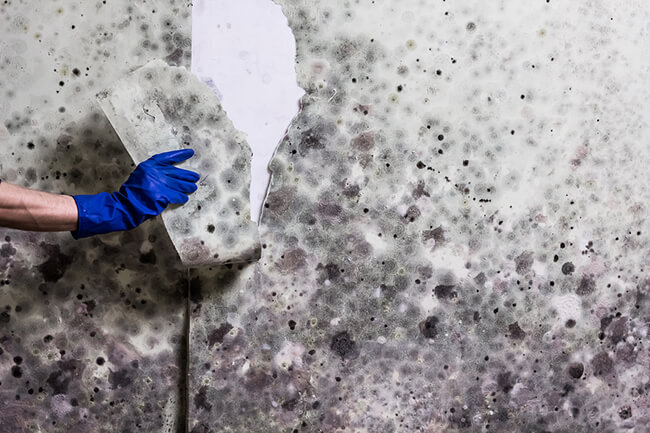
Understanding Mold Problems and Their Causes
Mold problems can be a daunting issue for any homeowner. Mold is a type of fungus that thrives in damp, warm environments. It can grow on various surfaces, including wood, drywall, and fabric, often going unnoticed until it has spread significantly. Understanding the causes of mold is essential for prevention and remediation. Common causes include water leaks, high humidity, and poor ventilation. When water accumulates, whether from a leaky roof or excessive condensation, it creates an ideal environment for mold growth.
In addition to moisture, temperature also plays a crucial role. Mold typically grows best in temperatures between 60°F and 80°F. This means that areas like bathrooms, basements, and kitchens are particularly susceptible. If I notice persistent dampness or humidity in these spaces, it’s vital to address the issue promptly. Ignoring mold problems can lead to severe health risks and structural damage to our homes.
To effectively combat mold, we must first identify its sources. Regular inspections of our homes can help us catch potential problems early. Look for signs like discoloration on walls, musty odors, or visible mold growth. Implementing preventive measures, such as ensuring proper ventilation and using dehumidifiers, can significantly reduce the chances of mold taking hold in our living spaces.
The Connection Between Mold and Health Issues
The connection between mold and health issues is a critical aspect that homeowners must understand. Mold releases spores and mycotoxins into the air, which can lead to various health problems upon exposure. For those with pre-existing respiratory conditions or weakened immune systems, the risk is even higher. Understanding this connection allows us to take proactive steps to protect our health.
Some individuals may experience allergic reactions, which manifest as sneezing, coughing, and itchy eyes. These reactions can occur shortly after exposure and may worsen over time, especially if mold is allowed to flourish. For me, recognizing these symptoms in myself or my family members has been a wake-up call to take mold issues seriously.
Moreover, prolonged exposure to mold can lead to chronic health problems. Conditions such as asthma, bronchitis, and even neurological issues have been linked to mold exposure. As a homeowner, I’ve learned that the health of my family is paramount, and being informed about the potential risks associated with mold can empower me to make better choices regarding our living environment.
Common Health Problems Linked to Mold Exposure
Mold exposure can lead to a range of health problems. Some of the most common conditions associated with mold include:
- Respiratory Issues: Mold can trigger asthma attacks and lead to chronic respiratory infections. People with asthma may experience increased symptoms such as wheezing and shortness of breath when exposed to mold.
- Allergic Reactions: Symptoms like sneezing, runny nose, and itchy eyes can result from mold allergies. For some, these reactions can be severe, requiring medical intervention.
- Skin Irritation: Direct contact with mold can lead to skin rashes or irritation. This is particularly concerning for individuals with sensitive skin or pre-existing conditions.
In addition to the physical symptoms, mental health can also be impacted. The stress of dealing with mold problems can lead to anxiety and depression. I’ve realized that addressing mold issues not only protects physical health but also contributes to overall well-being.
It’s important to remember that everyone reacts differently to mold exposure. While some may only experience mild symptoms, others could face severe health challenges. This variability underscores the importance of early detection and prompt remediation. When we notice any signs of mold in our homes, we cannot afford to ignore them.
Symptoms of Mold Exposure and When to Seek Help
Recognizing the symptoms of mold exposure is crucial for safeguarding our health. Early signs can often be mistaken for common colds or seasonal allergies, making diagnosis challenging. Some of the primary symptoms I’ve observed include:
- Respiratory Symptoms: Persistent cough, wheezing, and difficulty breathing are common indicators. If these symptoms worsen when indoors, it may signal a mold problem.
- Allergic Reactions: If I notice increased sneezing, runny nose, or itchy eyes, especially in specific areas of my home, I should consider the possibility of mold.
- Skin Issues: Rashes or unexplained skin irritation can also be a sign of mold exposure.
Knowing when to seek help is equally important. If symptoms persist despite over-the-counter treatments or worsen over time, it’s time to consult a healthcare professional. In my experience, early intervention can prevent more severe health problems down the line.
Additionally, if I suspect mold in my home, seeking a professional assessment is a wise decision. Mold testing can determine the type and extent of the problem, providing a clear path for remediation. This proactive approach not only protects my health but also ensures a safer living environment for my family.
Long-Term Health Impacts of Mold Problems
The long-term health impacts of mold problems can be significant and often go unnoticed until it’s too late. Prolonged exposure can lead to chronic respiratory conditions, including asthma and other lung diseases. For individuals with weakened immune systems, the risks can be even more severe, potentially leading to life-threatening infections.
Moreover, recent studies suggest a connection between mold exposure and neurological issues, such as memory loss and cognitive decline. This connection has raised concerns for many homeowners, including myself. It’s a reminder that mold problems are not just an aesthetic concern; they can have real, lasting implications for our health.
As I continue to educate myself about mold, I’ve come to understand that the effects can extend beyond physical health. Mental health can also be impacted by the stress of living in a mold-infested environment. Anxiety, depression, and sleep disturbances can all arise from the constant worry about mold-related health issues.
Taking action to address mold problems is crucial. I’ve learned that investing time and resources into prevention and remediation not only protects physical health but also contributes to a healthier mental state. By understanding the long-term impacts of mold, I am more motivated to maintain a safe and healthy living space.
Identifying Mold in Your Home: Signs and Symptoms
Identifying mold in our homes is the first step toward addressing the issue. There are several signs I watch for to determine if mold might be present. Visual signs include discoloration on walls and ceilings, often appearing as dark spots or patches. Mold can also manifest as fuzzy growths, particularly in damp areas like bathrooms.
In addition to visual cues, I pay attention to odors. A musty smell can indicate mold growth, even if it isn’t immediately visible. I’ve learned that if I can smell mold, it’s likely that it’s present somewhere, possibly hidden behind walls or under flooring.
Other indicators of mold problems include increased humidity levels. If I notice condensation on windows or walls, it may signal an underlying moisture issue that could lead to mold growth. I keep a hygrometer in my home to monitor humidity levels, aiming to keep them below 60% to prevent mold.
Recognizing these signs early can save time, money, and health in the long run. I recommend conducting regular inspections of high-risk areas, such as basements and attics, to catch mold issues before they escalate.
Preventing Mold Growth: Tips for Homeowners
Preventing mold growth is a proactive approach that I prioritize in my home. Here are some effective tips that I’ve found helpful in keeping mold at bay:
- Control Humidity: Keeping indoor humidity levels below 60% is key. I use dehumidifiers in particularly damp areas and ensure proper ventilation in bathrooms and kitchens.
- Fix Leaks Promptly: Any leaks from roofs, pipes, or appliances should be addressed immediately. I make it a point to regularly check for water damage and repair any issues as soon as they arise.
- Improve Ventilation: Proper airflow reduces moisture buildup. I’ve installed exhaust fans in bathrooms and kitchens and opened windows whenever possible to encourage air circulation.
In addition to these measures, I also prioritize cleaning and maintenance. Regularly cleaning areas prone to mold, such as shower tiles and window sills, helps prevent buildup. I use mold-resistant products and paints when renovating or redecorating, providing an additional layer of protection.
Education is also key to prevention. I encourage family members to be aware of mold risks and the importance of reporting any signs of mold immediately. By fostering a collective responsibility, we can work together to maintain a mold-free home.
Remediation and Removal of Mold Problems
If mold problems arise, proper remediation is essential. I’ve learned that simply cleaning the surface is not enough; effective removal requires a comprehensive approach. The first step in remediation is identifying the source of moisture that allowed the mold to grow. Without addressing this underlying issue, mold is likely to return.
Once the source is fixed, I focus on safely removing the mold. For small areas, I can often manage the cleanup myself using appropriate cleaning solutions and protective gear. However, if the mold covers a large area or poses health risks, I know it’s best to hire professionals who specialize in mold remediation.
During the remediation process, I ensure that the affected area is sealed off to prevent spores from spreading to other parts of the home. Professionals typically use specialized equipment, such as air scrubbers and negative air pressure systems, to contain and eliminate mold spores effectively.
After remediation, I take steps to prevent future mold growth. This includes monitoring humidity levels and conducting regular inspections. It’s a continuous process that I’ve committed to, as ensuring a healthy home environment is worth the effort.
Seeking Professional Help for Mold Issues
While some mold problems can be addressed independently, there are times when seeking professional help is necessary. I’ve realized that hiring experts can save time and ensure thorough remediation. Professionals have the experience and equipment to assess mold issues accurately and provide effective solutions.
When seeking professional help, I look for certified mold remediation specialists. These professionals should have the necessary training and credentials to handle mold safely and effectively. I always ask for references and check reviews to ensure I’m choosing a reputable service.
A professional assessment typically includes testing for mold types and levels, which is crucial for developing an effective remediation plan. I appreciate that experts can also provide guidance on preventing future mold problems, equipping me with knowledge to maintain a healthy environment.
Ultimately, investing in professional help for mold issues can protect my health and home. The peace of mind that comes from knowing the problem is being handled by experts is invaluable.
Conclusion: Protecting Your Health from Mold
In conclusion, protecting our health from mold problems is an essential responsibility for every homeowner. By understanding the causes of mold, recognizing its health impacts, and implementing preventive measures, we can create a safer living environment for ourselves and our families.
Through my journey of learning about mold, I’ve come to appreciate the importance of vigilance. Regular inspections, prompt remediation, and maintaining low humidity levels are all vital steps in preventing mold growth. I encourage everyone to take mold issues seriously, as the potential health risks can be significant.
For more information about Common Health Problems Linked to Mold Exposure, Contact us:
Company: Green Guard Mold Remediation Plainfield
Address: 321 E 3rd St, Plainfield, NJ 07060
Call us: +1 888-793-7963
Email: info@greenguardmoldplainfield.com
Website: https://greenguardmoldplainfield.com/
