

Understanding Mold and Its Health Implications
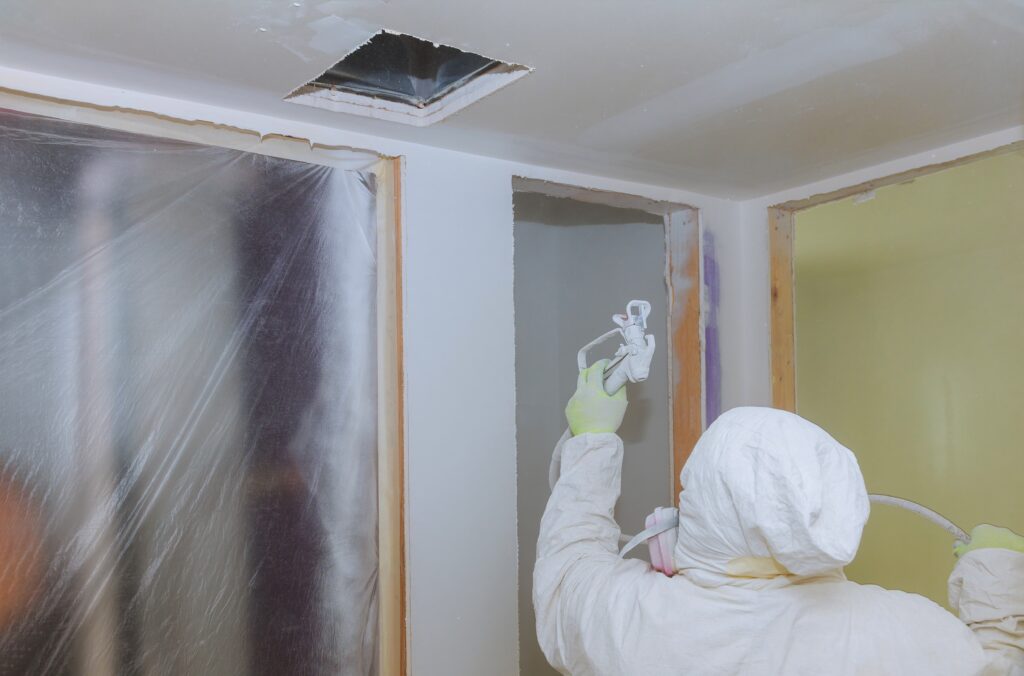
Mold is more than just an unsightly stain on your wall; it poses significant health risks that every homeowner should be aware of. Understanding what mold is and how it affects our well-being is crucial for maintaining a safe living environment. Mold thrives in damp, warm conditions and can grow on various surfaces, including wood, drywall, and fabric. The spores released by mold can easily enter our homes and bodies, causing various health issues.To tackle from all these situation one should immidiately opt for mold remediation service.
When I first learned about mold’s health implications, I was surprised by the range of symptoms associated with exposure. Mold can trigger allergic reactions, respiratory issues, and even more severe conditions in some individuals. For those with pre-existing health conditions or weakened immune systems, the risks can be even higher. Knowing the signs of mold exposure is vital for our health and the health of our loved ones.
The primary keyword, mold exposure symptoms, encompasses a wide variety of reactions. From sneezing and coughing to more serious long-term effects, recognizing these symptoms early can prevent further complications. As we delve deeper into this topic, I aim to arm you with the knowledge to identify mold and its effects, ensuring you can protect your home and health effectively.
Common Mold Exposure Symptoms
The symptoms of mold exposure can vary significantly from person to person, depending on individual sensitivity and the amount of exposure. Some of the most common symptoms I’ve encountered include:
- Respiratory Issues: Coughing, wheezing, and shortness of breath are common reactions. Mold spores can irritate the airways, leading to chronic respiratory conditions such as asthma.
- Allergic Reactions: Symptoms like itchy eyes, runny noses, and skin rashes can occur. These reactions are often similar to seasonal allergies, making them easy to overlook.
- Fatigue and Headaches: Many people report feelings of tiredness or persistent headaches when exposed to mold. This can be particularly concerning, as it may be mistaken for standard fatigue or stress.
In some cases, prolonged exposure can lead to more severe health issues, which I’ll discuss in the next section. It’s essential to monitor these symptoms, especially in environments where mold is suspected. If any of these symptoms resonate with you, it might be time to investigate further.
Recognizing the Early Warning Signs of Mold Exposure
Recognizing the early warning signs of mold exposure is crucial for preventing serious health complications. I’ve learned that being vigilant about our environment can protect us and our families. Here are some early signs to watch for:
- Visible Mold Growth: This is the most obvious sign. If you see black, green, or white patches in damp areas of your home, it’s likely mold.
- Musty Odors: A persistent, earthy smell can indicate mold growing out of sight. Trust your senses; if something smells off, it’s worth investigating.
- Increased Allergic Reactions: If you or family members notice an uptick in allergy symptoms, especially when spending time indoors, it may signal hidden mold.
Taking proactive steps when you notice these warning signs can save you from potential health hazards. I recommend conducting regular inspections, especially in areas prone to moisture, such as basements, bathrooms, and kitchens. The earlier you identify the problem, the easier it is to address it.
Long-Term Effects of Mold Exposure Symptoms
Long-term exposure to mold can lead to serious health complications that I never thought would occur when I first encountered mold in my home. Some of the more concerning long-term effects include:
- Chronic Respiratory Issues: Prolonged exposure may result in chronic bronchitis or worsening asthma symptoms. This can drastically affect one’s quality of life and ability to engage in daily activities.
- Neurological Problems: Recent studies have suggested a correlation between mold exposure and neurological issues, including cognitive decline and memory problems. This revelation has made me more vigilant about my living environment.
- Immune System Suppression: Continuous exposure to mold can weaken the immune system, making individuals more susceptible to infections and other diseases.
Being aware of these potential long-term effects encourages me to take mold exposure seriously. The health implications can be severe, and prevention is always better than treatment.
Vulnerable Populations: Who Is Most Affected?
Some individuals are more susceptible to mold exposure than others. Understanding who is at greater risk can help us take preventive measures. I’ve found that the following groups are particularly vulnerable:
- Children: Their immune systems are still developing, making them more sensitive to allergens and irritants.
- Elderly Individuals: Older adults often have weakened immune systems and may suffer from pre-existing health conditions that exacerbate mold exposure symptoms.
- Individuals with Pre-existing Health Conditions: People with asthma, allergies, or compromised immune systems face increased risks when exposed to mold.
Recognizing these vulnerable populations can help us create safer environments. If you live with someone in these categories, it’s even more critical to monitor your home for mold and address any concerns immediately.
How to Identify Mold in Your Home
Identifying mold in your home requires a keen eye and a bit of knowledge. Here are several methods I’ve found effective in detecting mold:
- Visual Inspection: Check common mold-prone areas like bathrooms, kitchens, and basements. Look for discoloration or fuzzy growth on surfaces.
- Smell Test: A musty odor often accompanies mold growth. If you notice a strange smell, investigate further.
- Moisture Measurement: Use a moisture meter to check for dampness in walls and materials. High moisture levels can indicate the presence of mold.
If you’re unsure about the presence of mold, consider hiring a professional for a thorough inspection. They have the tools and expertise to identify mold that may not be visible to the naked eye, thus ensuring comprehensive assessment and remediation.
Steps to Take if You Experience Symptoms
If you begin to notice symptoms associated with mold exposure, it’s essential to take action promptly. Here’s a step-by-step guide that I follow when I experience these symptoms:
- Leave the Affected Area: If you suspect mold exposure, move to a different location to minimize further exposure.
- Document Symptoms: Keep a record of your symptoms, including when they appear and their severity. This information can be helpful if you need medical attention.
- Consult a Healthcare Professional: If symptoms persist or worsen, seek medical advice. A healthcare provider can assess your condition and recommend appropriate treatment.
Taking these steps can often lead to quicker recovery and prevent further complications. Being proactive about health is essential, especially when mold is involved.
Prevention and Remediation: Keeping Your Home Mold-Free
Preventing mold growth in our homes is far easier than dealing with its consequences. Here are some strategies I’ve found effective in keeping my home mold-free:
- Control Humidity Levels: Keeping indoor humidity below 50% is key. Use dehumidifiers or air conditioners, especially in damp areas.
- Proper Ventilation: Ensure that bathrooms, kitchens, and laundry rooms are well-ventilated to reduce moisture buildup. Exhaust fans can significantly help in this regard.
- Regular Inspections: Conduct routine checks in mold-prone areas. Early detection allows for timely remediation.
If you do discover mold, it’s essential to act quickly. Small patches can often be cleaned with soap and water, but larger infestations may require professional assistance. Knowing how to prevent mold and properly remediate existing issues can save us from headaches down the line.
When to Seek Professional Help
While many mold issues can be handled independently, there are times when professional help becomes necessary. Here are some circumstances in which I recommend seeking expert assistance:
- Widespread Mold Growth: If you find mold covering more than 10 square feet, it’s best to call in the professionals.
- Ongoing Health Issues: If you or family members continue to experience symptoms despite removing visible mold, consulting a specialist may be essential.
- Hidden Mold: If you suspect mold in walls or other hidden spaces, professionals can use specialized equipment to locate and address the issue thoroughly.
Understanding when to seek professional help can save us time, money, and health. It’s vital to recognize the limits of our abilities when it comes to mold remediation.
Conclusion: Staying Informed and Safe
In conclusion, understanding mold exposure symptoms and their implications is crucial for all homeowners. By recognizing the signs and symptoms, we can take proactive measures to safeguard our health and living environments. Whether through preventive strategies or knowing when to seek professional help, staying informed is our best defense against mold.
Remember, your health and safety are paramount. If you suspect mold in your home or experience symptoms related to mold exposure, don’t hesitate to act. Regular checks, proper ventilation, and moisture control can go a long way in creating a mold-free environment. Together, we can ensure our homes are safe havens for ourselves and our families.
For more information about air quality testing services in New Jersey, contact us:
Business Name: New Jersey Mold Specialist
Address: 92 Bayard St #203, New Brunswick, NJ 08901
Call us: (732) 973-9352
Email: info@njmoldspecialist.com
Website: https://njmoldspecialist.com/
