


Water damage in your home can lead to a myriad of problems, with mold growth being one of the most concerning. Mold thrives in damp environments, and when water infiltrates your living space, it creates the perfect conditions for mold spores to flourish. Understanding the relationship between Water damage and mold growth is crucial for homeowners who want to maintain a healthy living environment. This guide will walk you through the stages of mold development, prevention strategies, and effective cleanup methods to ensure your home remains safe and mold-free.
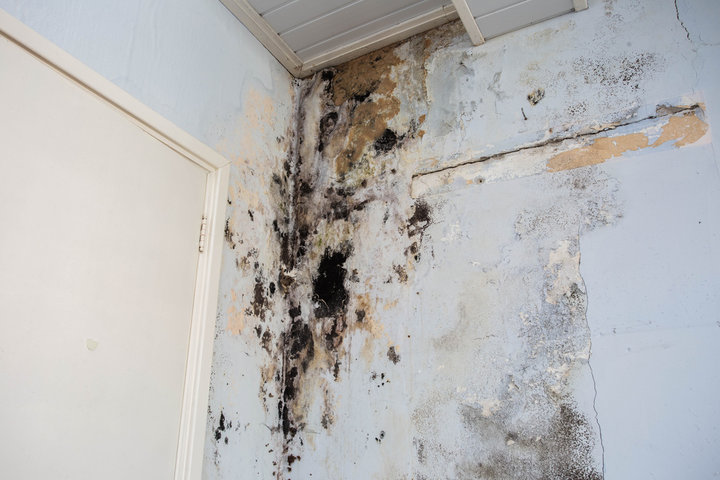
Image Source: PuroClean.com
Understanding Mold Growth
Mold is a type of fungus that plays a vital role in breaking down organic matter in nature. However, when it invades your home, it can cause significant damage and health issues. Mold reproduces through tiny spores that are invisible to the naked eye and can be found both indoors and outdoors. The key to mold growth is moisture; without it, mold cannot thrive.
The Lifecycle of Mold
Mold spores can remain dormant for extended periods, but once they encounter a damp surface, they can begin to germinate. The lifecycle of mold can be broken down into several stages:
- Dormancy: Mold spores are inactive and can survive in harsh conditions.
- Germination: When exposed to moisture, spores absorb water and begin to grow.
- Colonization: Within 24 to 48 hours, visible mold patches may appear.
- Mature Colonies: After several days, mold colonies can expand, leading to structural damage and health risks.
Health Risks Associated with Mold
Mold exposure can lead to various health problems, particularly for individuals with allergies or respiratory issues. Common symptoms include:
- Sneezing and nasal congestion
- Skin rashes and irritation
- Eye irritation
- Coughing and wheezing
In some cases, mold can produce mycotoxins, which are toxic substances that can cause more severe health issues. It is essential to address mold problems promptly to minimize health risks.
The Connection Between Water Damage and Mold
Water damage is the primary catalyst for mold growth in homes. Understanding how water infiltrates your living space can help you take preventive measures.
Common Causes of Water Damage
Water damage can occur due to various reasons, including:
- Leaking Pipes: Old or damaged plumbing can lead to leaks that create damp areas.
- Roof Leaks: Damaged roofs can allow rainwater to seep into your home.
- Flooding: Heavy rainfall or natural disasters can result in significant water intrusion.
- Condensation: High humidity levels can cause condensation on surfaces, leading to moisture buildup.
The Timeline of Mold Growth After Water Damage
Once water damage occurs, mold can start to develop rapidly. Here’s a general timeline of mold growth:
| Time Frame | Mold Growth Stage |
|---|---|
| 0-24 hours | Spores absorb moisture and begin to germinate |
| 24-48 hours | Visible mold patches may appear |
| 48-72 hours | Colonies expand, and musty odors become noticeable |
| Weeks to months | Severe infestations can cause structural damage |
Recognizing this timeline emphasizes the importance of acting quickly to mitigate water damage and prevent mold growth.
Immediate Actions After Water Damage
When faced with water damage, swift action is crucial to prevent mold growth. Here are the steps you should take:
Assess the Damage
Begin by evaluating the extent of the water damage. Check for visible signs of moisture, such as water stains, swelling, or discoloration on walls and ceilings. Pay attention to hidden areas, such as behind appliances or under carpets.
Stop the Source of Water
Identifying and stopping the source of water is the first step in remediation. This may involve repairing leaks, shutting off the main water supply, or addressing drainage issues.
Remove Standing Water
If there is standing water, use a wet/dry vacuum or pump to remove it as quickly as possible. Even small amounts of water can lead to mold growth within a day.
Dry Affected Areas
After removing standing water, focus on drying out the affected areas. Use fans, dehumidifiers, and open windows to promote airflow. Aim to dry all surfaces within 24 to 48 hours to prevent mold from taking hold.
Cleaning Up Mold
If mold has already begun to grow, it is essential to clean it up properly to avoid further contamination.
Safety Precautions
Before starting the cleanup process, take necessary safety precautions:
- Wear gloves, goggles, and an N95 respirator to protect yourself from mold spores.
- Ensure proper ventilation in the area by opening windows and using fans.
Cleaning Techniques
- Hard Surfaces: Scrub mold off hard surfaces using a mixture of detergent and water. Rinse thoroughly and dry the area completely.
- Porous Materials: Items like carpets, ceiling tiles, and drywall may need to be discarded if they are heavily contaminated, as mold can penetrate these materials.
- Disinfecting: After cleaning, consider using a disinfectant to kill any remaining spores. However, avoid mixing bleach with ammonia or other cleaners, as this can produce toxic fumes.
When to Call Professionals
If the mold covers an area larger than 10 square feet or if you suspect hidden mold, it is advisable to hire a professional mold remediation service. They have the expertise and equipment to handle extensive mold issues safely.
Preventing Future Mold Growth
Once you have addressed the current mold problem, it is essential to implement preventive measures to avoid future occurrences.
Control Indoor Humidity
Maintaining indoor humidity levels between 30% and 50% is crucial for mold prevention. Use dehumidifiers in damp areas, such as basements and bathrooms, to keep humidity in check.
Improve Ventilation
Proper ventilation helps reduce moisture buildup. Use exhaust fans in kitchens and bathrooms, and open windows when weather permits to promote airflow.
Regular Maintenance
Conduct regular inspections of your home to identify potential water issues. Check for leaks in plumbing, inspect your roof for damage, and clean gutters to ensure proper drainage.
Use Mold-Resistant Materials
When renovating or repairing your home, consider using mold-resistant materials, such as moisture-resistant drywall and paints. These products can help inhibit mold growth in the future.
Identifying Hidden Mold
Sometimes, mold can grow in hidden areas, making it difficult to detect. Here are some signs that may indicate hidden mold:
Unpleasant Odors
A musty smell in your home can be a strong indicator of hidden mold. If you notice this odor, investigate potential sources, such as behind walls or under carpets.
Health Symptoms
If you or your family members experience unexplained allergic reactions or respiratory issues, it may be a sign of hidden mold. Consult a health professional if symptoms persist.
Visual Clues
Look for signs of water damage, such as discoloration or peeling paint, which may indicate hidden mold growth behind surfaces.
The Role of Insurance in Mold Remediation
Understanding your insurance coverage can help you navigate the financial aspects of mold remediation.
Review Your Policy
Check your homeowner’s insurance policy to see if it covers mold damage. Some policies may have specific exclusions or limits on mold-related claims.
Document Damage
If you experience water damage and subsequent mold growth, document the situation thoroughly. Take photos, keep receipts for repairs, and maintain records of any professional services you hire.
File a Claim Promptly
Most insurance companies require you to report damage within a specific timeframe. Contact your insurer as soon as possible to initiate the claims process.
Conclusion
Water damage can lead to serious mold growth if not addressed promptly. By understanding the connection between water and mold, taking immediate action after water damage, and implementing preventive measures, homeowners can protect their living spaces from mold infestations. Regular maintenance, proper ventilation, and moisture control are key to ensuring a healthy home environment. If mold does occur, swift cleanup and professional assistance can help restore your home to a safe and comfortable state. Remember, vigilance is essential in preventing mold growth and maintaining a healthy living space for you and your family.
For more information contact Us:
Business Name: Green Guard Mold Remediation Of UnionAddress: 1620 US-22, Union, NJ 07083, United States
Phone: +1 908-263-1697
Email: info@greenguardmoldremediationunion.com

