

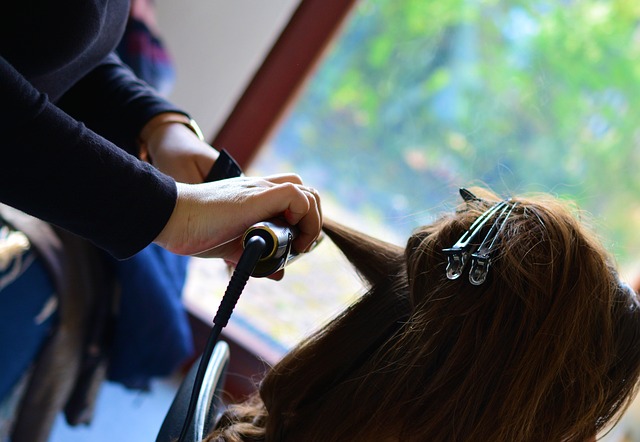
Hair is often discussed as though it were static, something that can be corrected instantly with the right product or the right appointment. In reality, hair behaves more like a living record. It reflects how it has been handled, supported, and maintained over weeks and months rather than moments. This is why true improvement rarely arrives overnight and why lasting changes tend to feel subtle at first.
When hair begins to improve, it is not because of a single action, but because the overall approach to care has shifted. Hair responds to patterns. It learns from repetition.
The Cumulative Nature of Hair Health
Every interaction with hair leaves a trace. Washing, drying, styling, brushing, and even tying hair back all influence its structure. Individually, these actions seem harmless. Collectively, they shape how hair behaves.
Hair that has been rushed, overheated, or stretched repeatedly will often feel unpredictable. Hair that has been handled with consistency and intention tends to become calmer and easier to manage. This difference is not coincidence. It is cumulative effect.
Why Hair Remembers Stress
Hair fibres do not reset after each wash. They carry signs of stress forward, which is why repeated strain eventually shows up as dryness, frizz, or breakage.
Improvement begins when stress patterns change.
Consistency Over Correction
Modern hair care often focuses on fixing visible issues. While corrective treatments have value, they work best when paired with consistent daily habits. Hair does not thrive on constant correction. It thrives on reliable support.
Consistency allows hair to stabilise. Once stabilised, it becomes more receptive to treatments and styling.
The Role of Routine
A routine does not need to be complex. In fact, simpler routines are often more effective because they are easier to maintain. When hair experiences predictable care, it begins to respond more evenly.
Predictability creates trust between hair and routine.
Professional Influence Without Dependence
Professional environments often introduce people to new ways of thinking about hair. Observing how hair is handled calmly, prepared patiently, and finished without force can quietly reshape expectations.
People often carry these observations home without realising it, adjusting how they wash, dry, or style their hair in everyday life.
In this sense, references to places associated with hairdressers Covent Garden London tend to arise not because of branding or trend imitation, but because they reflect exposure to thoughtful, measured hair handling that prioritises longevity over instant transformation.
This influence is educational rather than prescriptive.
Why Education Matters More Than Technique Alone
Technique can be copied but understanding lasts longer. When people understand why hair responds well to certain methods, they make better choices independently.
Education empowers consistency.
Products as Reinforcement, Not Rescue
Hair care products are often misunderstood as miracle solutions. In reality, they are reinforcements. Their purpose is to support hair that is already being treated well.
When products are used as rescue tools after repeated damage, their effectiveness is limited. When used as part of a supportive routine, they amplify results.
Why Quality and Suitability Matter
Products should suit hair’s current condition, not an idealised version of it. Hair that is recovering needs nourishment and protection, not heavy correction.
When the right products are used consistently, hair begins to respond more predictably.
The Importance of Allowing Hair to Rest
Rest is rarely discussed in hair care, yet it plays a crucial role. Constant manipulation prevents hair from stabilising. Allowing hair periods of low intervention gives it space to rebalance moisture and elasticity.
Rest does not mean neglect. It means reducing unnecessary pressure.
How Rest Improves Manageability
Hair that has rested often styles more easily. It holds shape without resistance and feels softer without being limp.
Rest restores cooperation.
Environmental Awareness in Hair Care
Hair does not exist in isolation. It is influenced by water quality, indoor heating, pollution, and seasonal changes. Awareness of these factors allows routines to adapt rather than fight against conditions.
Protective products and small routine adjustments shield hair from environmental wear.
Why Adaptation Beats Resistance
Trying to force hair to behave the same way year-round often leads to frustration. Adapting care to environment preserves hair integrity.
Adaptation reduces stress.
Emotional Relationship with Hair
Hair reflects emotional states more than most people realise. Stress often leads to rushed care, aggressive detangling, or excessive styling. Calm routines tend to accompany calmer handling.
As hair improves, confidence increases, creating a positive feedback loop that further supports healthy habits.
Why Hair Confidence Changes Behaviour
When hair feels manageable, people touch it less, over-style it less, and trust it more. This trust reinforces improvement.
Confidence protects hair.
Signs of Lasting Improvement
Lasting improvement rarely announces itself dramatically. Instead, hair becomes easier to live with. It dries more evenly. It feels consistent from root to tip. Styles last without force.
These are signs that hair has learned from better treatment.
Why Subtle Progress Is the Goal
Subtle progress indicates stability. Stability allows hair to withstand styling, weather, and time without decline.
Stability is success.
Conclusion
Hair does not respond to urgency. It responds to patterns. When care becomes consistent, pressure is reduced, and products are used as support rather than solutions, hair begins to adapt. Over time, this adaptation becomes visible as strength, softness, and reliability.
Healthy hair is not created in moments of correction but in months of thoughtful care. When hair is treated with patience and respect, it reflects that care back quietly, steadily, and sustainably.
True hair health is learned, not forced.
