

Understanding Mold and Its Risks
Mold is a type of fungus that thrives in damp, humid environments. While it plays a role in nature by breaking down organic matter, its presence indoors can lead to significant problems. Mold spores can easily become airborne, posing health risks to occupants, especially those with respiratory issues, allergies, or weakened immune systems.
Health Implications of Mold Exposure
Exposure to mold can lead to a variety of health issues, including:
- Respiratory Problems: Mold spores can trigger asthma attacks, cause coughing, and lead to other respiratory complications.
- Allergic Reactions: Many individuals experience allergic reactions to mold, which can manifest as sneezing, itchy eyes, and skin irritation.
- Infections: For those with compromised immune systems, mold exposure can lead to serious infections.
Structural Damage Caused by Mold
Beyond health concerns, mold can also compromise the structural integrity of your home. It can weaken materials such as wood, drywall, and insulation, leading to costly repairs. Recognizing the signs of mold early can save you from extensive damage and health risks.
Signs of Mold Growth in Your Home
Identifying mold growth early is essential for effective remediation. Here are the most common signs that indicate your home may need immediate mold remediation services.
1. Visible Mold Growth
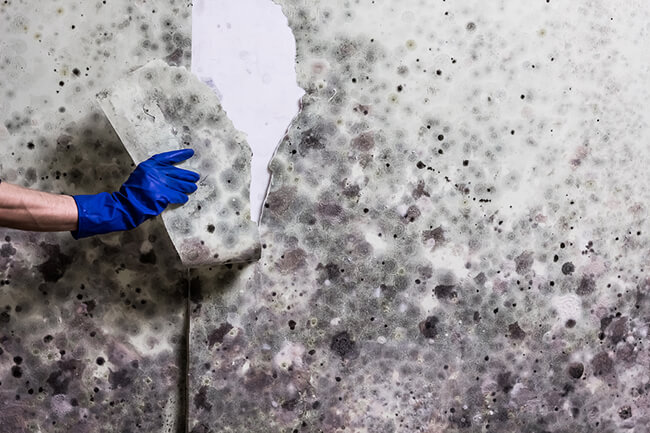
One of the most apparent signs of mold is its visible presence. Mold can appear in various colors, including black, green, and white, and may have a fuzzy or slimy texture. Common areas where mold is found include:
- Bathrooms: Due to high humidity levels.
- Basements: Often damp and poorly ventilated.
- Around Windows: Where condensation frequently occurs.
If you notice any visible mold, it’s crucial to contact a professional for remediation.
2. Persistent Musty Odor
A musty smell is often one of the first indicators of mold presence. This odor can permeate your home, making it uncomfortable. If you detect a persistent musty smell, even after cleaning, it may be a sign that mold is lurking in hidden areas, such as behind walls or under carpets.
3. Water Damage or Leaks
Water leaks are a significant contributor to mold growth. If you notice:
- Leaky Pipes: Especially under sinks or in walls.
- Water Stains: On ceilings or walls, indicating past leaks.
- Condensation: On windows or pipes.
These issues can create an environment conducive to mold growth. Addressing leaks promptly is essential to prevent mold from taking hold.
4. Increased Allergy Symptoms
If you or your family members experience heightened allergy symptoms, such as sneezing, coughing, or skin irritation, it may be linked to mold exposure. Pay attention to whether these symptoms worsen when indoors, as this could indicate a mold problem.
5. Peeling Paint or Wallpaper
Moisture trapped behind walls can lead to paint or wallpaper peeling and bubbling. If you notice these signs, it may indicate that mold is growing behind the surface, necessitating immediate inspection and remediation.
6. Warped Walls or Ceilings
Warping or buckling of walls and ceilings can be a sign of moisture damage, which often accompanies mold growth. If you observe these changes, it’s crucial to investigate further to determine the underlying cause.
7. Condensation Buildup
Excessive condensation on windows or walls can indicate high humidity levels in your home, creating an ideal environment for mold. If you frequently find condensation, consider improving ventilation and reducing moisture levels.
8. Unexplained Stains or Discoloration
Stains on walls, ceilings, or fabrics can be indicative of hidden mold. Yellow, brown, or black discolorations often accompany a musty smell, signaling a deeper issue that requires professional attention.
9. Cracked or Damaged Molding
Cracked or damaged molding can suggest water damage within your walls. Inspect all moldings around your home, and if you find any signs of damage, have them evaluated for potential mold growth.
10. Outdoor Standing Water
Standing water around your home can lead to mold growth, especially if it’s near your foundation or related to plumbing issues. Regularly check for standing water and address any drainage problems to prevent mold from infiltrating your home.
The Importance of Professional Mold Remediation
While it may be tempting to tackle mold removal on your own, professional mold remediation services offer several advantages:
Effectiveness of Professional Services
Professionals utilize specialized equipment and techniques to detect and eliminate mold, including hidden spores. Their expertise ensures that all mold is removed, reducing the risk of regrowth.
Safety Measures
Mold remediation professionals implement safety measures to prevent the spread of mold spores during the removal process. This includes sealing off affected areas and using proper containment methods.
Comprehensive Solutions
In addition to removing mold, professionals can identify and address the root causes of mold growth, such as leaks or poor ventilation. This holistic approach helps prevent future mold issues.
Steps Involved in Mold Remediation
Understanding the mold remediation process can help you appreciate the importance of professional services. Here’s a breakdown of the typical steps involved:
1. Inspection and Assessment
The first step in mold remediation is a thorough inspection of your property. Professionals will look for visible mold and use advanced tools to detect hidden growth. This assessment helps determine the extent of the mold problem and the necessary remediation steps.
2. Containment
To prevent mold spores from spreading during the removal process, affected areas are sealed off. This may involve using physical barriers and negative air pressure systems to contain the mold and protect other areas of your home.
3. Removal and Cleaning
Specialized cleaning agents and equipment are used to remove mold from surfaces and the air. In cases of severe contamination, porous materials like drywall or carpeting may need to be removed and replaced. This step ensures that all mold spores are eliminated.
4. Repair and Restoration
After mold removal, damaged materials are replaced to restore your home to its original condition. This may include repainting, refinishing, or other cosmetic fixes to ensure the repaired areas blend seamlessly with the rest of your home.
Preventing Future Mold Growth
Once mold has been remediated, taking steps to prevent future growth is essential. Here are some effective strategies:
Improve Ventilation
Ensure that your home is well-ventilated to reduce humidity levels. Use exhaust fans in bathrooms and kitchens, and consider installing vents in areas prone to moisture.
Control Humidity Levels
Keep indoor humidity levels below 60% to discourage mold growth. Use dehumidifiers in damp areas, and regularly check for leaks or water damage.
Regular Inspections
Conduct regular inspections of your home to identify potential mold issues early. Look for signs of water damage, leaks, or condensation, and address any problems promptly.
Conclusion
Recognizing the signs of mold growth in your home is crucial for maintaining a safe and healthy living environment. If you notice any of the indicators discussed in this article, it’s essential to act quickly and seek professional mold remediation services. By addressing mold issues promptly, you can protect your health and preserve the integrity of your home. Don’t wait—take the necessary steps to ensure your home remains mold-free and safe for you and your family.
For more information about Mold Remediation Union NJ contact Us:
Business Name: Green Guard Mold Remediation Of Union
Address: 1620 US-22, Union, NJ 07083, United States
Phone: +1 908-263-1697
Email: info@greenguardmoldremediationunion.com
Website: https://greenguardmoldremediationunion.com/
