

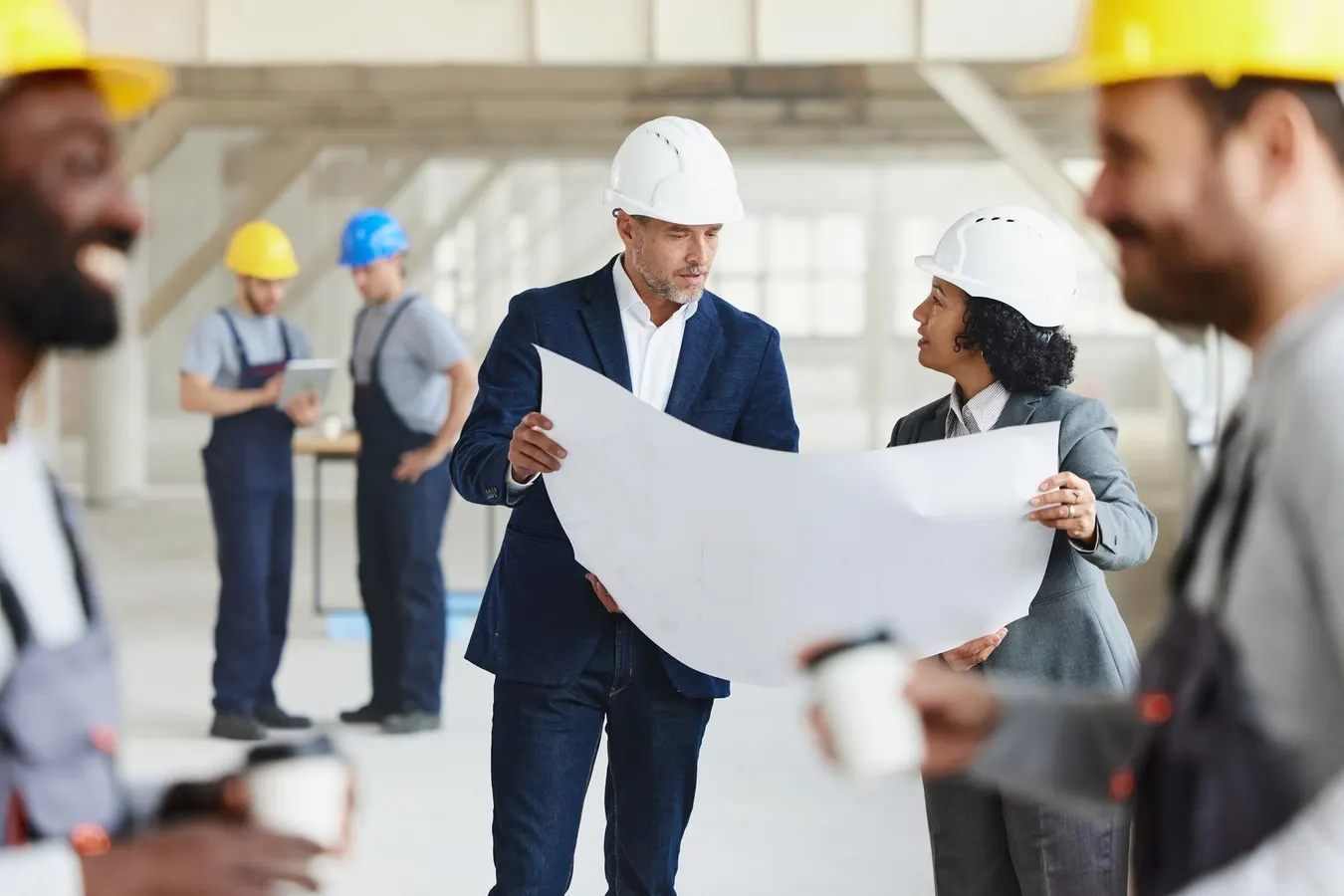
Thriving communities depend on more than housing—they need active business corridors, meaningful jobs, and shared spaces. Commercial real estate delivers these by creating modern offices, retail hubs, and mixed-use destinations. Through strategic design, well-planned developments stimulate local commerce and build economically resilient communities.
Creating Jobs and Strengthening Local Economies
Commercial real estate projects drive economic momentum across every stage of a property’s lifecycle. During construction, developments generate immediate demand for architects, engineers, contractors, material suppliers, and skilled tradespeople. Once operational, office complexes, shopping centers, restaurants, and retail spaces offer sustained employment across diverse industries. These properties also serve as commercial anchors, drawing new enterprises into expanding business districts. Office hubs attract professional service firms, while retail centers support local shops, cafes, and service providers. As these enterprises flourish, local hiring and spending rise, reinforcing a continuous cycle of economic growth and prosperity.
Designing Accessible Spaces for Connection
Modern commercial developments increasingly combine corporate functionality with welcoming public environments designed to encourage social connection. Landscaped plazas, walkable pathways, outdoor seating, and green spaces offer residents and visitors pleasant places to gather and relax. Mixed-use properties integrate retail, workplace, and residential functions, keeping everyday essentials within walking distance and fostering spontaneous interactions. Incorporating active venues such as cafes, restaurants, and cultural spaces helps maintain vitality throughout the day, establishing commercial developments as central components of civic life.
Enhancing Infrastructure and Community Connectivity
Major commercial real estate projects often spur crucial upgrades to public infrastructure. New developments frequently prompt improvements to surrounding roadway networks, pedestrian paths, public transit access, parking facilities, and utility systems. These enhancements improve overall mobility for residents, workers, and visitors. A prominent example is New York City’s Hudson Yards, developed by Related Companies under Stephen M. Ross in partnership with Oxford Properties Group. Unveiled in 2019, the 28-acre site encompasses 12 million square feet of commercial and residential space, public gardens, retail, and dining—demonstrating how large-scale commercial investment can elevate urban connectivity and public infrastructure.
Promoting Sustainable Design and Quality Public Realms
Sustainability has become a foundational element of modern commercial development. Energy-efficient building systems, stormwater management solutions, green roofs, and eco-friendly construction materials contribute to healthier, more resilient urban spaces. Contemporary commercial properties also prioritize natural lighting, optimized indoor air quality, bike-friendly infrastructure, and pedestrian-focused layout designs. Landscaped features—such as tree canopies, urban gardens, and open-air seating—further improve visual quality while supporting broader environmental goals.
Attracting Long-Term Investment and Sustaining Growth
High-quality commercial properties act as anchors for sustained economic investment, creating attractive destinations for businesses, residents, and civic institutions. Thriving retail corridors and modern office parks encourage new companies to set up operations while expanding the market base for existing local merchants. Ongoing collaboration among developers, municipal leaders, and community stakeholders ensures thoughtful neighborhood evolution. By supporting community events, public programming, and joint economic initiatives, commercial projects directly address local needs while maintaining long-term vitality.
Canadian real estate executive, author, and philanthropist David Hofstedter exemplifies how commercial development enriches communities by linking economic opportunity with everyday quality of life. Over a career spanning more than three decades, David Hofstedter has built a diverse portfolio encompassing industrial, office, retail, residential, and mixed-use properties. Through job creation, inviting public spaces, infrastructure enhancements, sustainable building practices, and targeted investment, well-designed developments create enduring value for the communities they serve.
