

Thick hair is often admired for its volume, presence, and ability to create naturally full styles. It carries a richness that many people spend time trying to recreate with products and styling tools. Yet for the people who actually have thick hair, the experience is often very different. What appears abundant and healthy from the outside can feel heavy, resistant, and difficult to manage on a daily basis. Thick hair may look full, but fullness alone does not create softness or control.
This misunderstanding is where many routines begin to fail. Thick hair is commonly treated as if moisture alone will solve every challenge. Rich conditioners, oils, masks, and smoothing products are often added with the belief that more hydration will create softer, more manageable hair. While moisture is important, thick hair often requires more than hydration. In many cases, overloading thick hair with moisture-heavy products increases weight, reduces responsiveness, and makes styling harder rather than easier.
In London, where weather conditions can change rapidly between damp outdoor air and dry indoor heating, these issues become even more noticeable. Thick hair absorbs the effects of the environment quickly, reacting to humidity with expansion and reacting to dryness with roughness. Without the right kind of support, it can feel as though the hair is constantly working against the style you are trying to create.
To make thick hair softer and easier to manage, the focus has to shift from adding moisture to building balance.
Why Thick Hair Feels Heavy Even When It Is Healthy
The density of thick hair gives it visual fullness, but it also creates natural weight.
Each strand contributes to the overall mass of the hair, and the greater the number of strands, the heavier the hair becomes. This weight influences how the hair moves, how it dries, and how it responds to products. Thick hair often takes longer to absorb moisture, longer to dry, and more effort to shape.
Because of this, even healthy thick hair can feel difficult to manage. It may feel heavy at the roots, resistant to styling, and slower to respond to products. This does not mean the hair is unhealthy—it means its structure requires more considered support.
Adding heavy products to already dense hair increases the burden on the strands. Instead of improving softness, it often reduces movement and creates buildup that makes the hair feel even less manageable.
Why Moisture Alone Does Not Create Manageability
Moisture is essential for hair health, but it does not automatically create control.
Softness without structure can leave thick hair feeling limp in some areas while remaining coarse in others. Excessive moisture can over-soften the outer layer of the hair, making it harder for the strands to hold shape. The hair may feel smooth immediately after conditioning, but it often becomes harder to style because it lacks balanced support.
True manageability comes from a combination of hydration and reinforcement. Thick hair needs moisture to remain soft, but it also needs products that improve responsiveness—helping the strands move, shape, and settle more naturally.
This is where the right product choice changes everything.
The Importance of Lightweight Reinforcement
For thick hair, reinforcement means giving the strands the support they need to behave predictably without making them feel heavier.
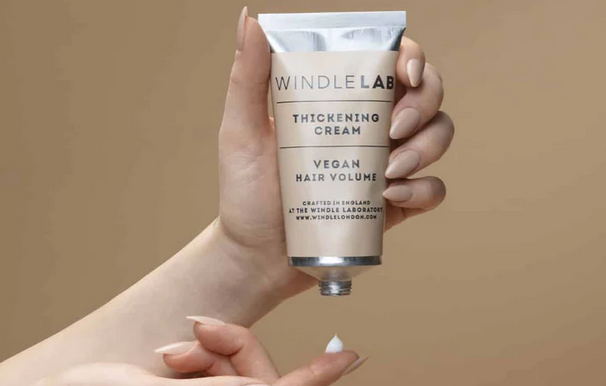
This is why introducing thickening cream for hair can make such a noticeable difference. While the term “thickening” may sound unnecessary for already dense hair, the purpose is not to add more bulk. It is to improve the texture and internal support of the strands so the hair becomes easier to control.
Instead of weighing the hair down, the right thickening cream improves how the strands interact with each other. It adds subtle structure, helping the hair maintain softness while making it more responsive to styling.
This creates a smoother, more manageable finish without sacrificing natural volume.
Why Thick Hair Often Becomes Unpredictable
One of the most frustrating things about thick hair is inconsistency.
Some days it feels smooth and easy to style. Other days it feels rough, expands unexpectedly, or refuses to hold its shape. This inconsistency often comes from imbalance—too much moisture, too little structure, or changes in the environment.
Thick hair is highly reactive to external conditions. When the air is humid, the strands absorb moisture and swell, creating frizz and excess volume. When the air is dry, the strands lose moisture, making the hair feel coarse and difficult to smooth.
Because the hair is dense, these changes can affect the overall shape dramatically.
Balanced support helps reduce this unpredictability by stabilising the behaviour of the strands.
London’s Climate and the Behaviour of Thick Hair
London’s climate creates daily challenges for thick hair.
Humidity encourages expansion, causing the hair to become wider and less defined. Indoor heating removes moisture, making the hair feel rougher and less flexible. Pollution adds residue, increasing weight and dullness.
These factors affect all hair types, but thick hair amplifies the effects because of its density.
Without the right products, thick hair can feel as though it changes shape throughout the day.
Using products that reinforce the strands while maintaining softness helps the hair remain stable, even when the environment changes.
Why Control Should Still Feel Natural
Control is often misunderstood as stiffness.
Many people use stronger styling products to keep thick hair in place, but this often leads to rigidity. The hair may hold shape, but it loses softness and movement.
True control means the hair responds easily to styling while still moving naturally. It feels soft, but not weak. It holds shape, but not at the expense of flexibility.
Achieving this requires products that support the natural texture of the hair instead of forcing it into place.
Thickening cream for hair helps create this balance by improving manageability without reducing softness.
The Shift Toward Smarter Haircare
Modern haircare is moving away from the idea that thicker hair needs heavier products.
Instead, the focus is shifting toward intelligent formulations that improve how the hair behaves without adding unnecessary weight.
In professional hair salons setting, this approach is becoming increasingly common. Stylists at top hair salons London are recognising that thick hair responds better to balanced, lightweight support than to overly rich routines.
This creates results that feel softer, more natural, and easier to maintain.
Long-Term Improvements in Thick Hair
When thick hair is supported correctly, the benefits extend beyond immediate softness.
The hair becomes easier to style. It holds shape more naturally. It feels smoother throughout the day.
These improvements are gradual but significant. They reduce the effort required to manage the hair and improve consistency over time.
Instead of reacting differently every day, the hair begins to behave in a more predictable way.
From Heavy Hair to Responsive Hair
The goal with thick hair is not to reduce its fullness—it is to improve how that fullness behaves.
By balancing moisture with structure, thick hair can remain soft while becoming easier to control.
Thickening cream for hair supports this balance, helping dense strands feel lighter, smoother, and more responsive without sacrificing their natural volume.
A Closing Perspective on Making Thick Hair Easier to Manage
Thick hair does not need heavier routines—it needs better balance.
When moisture is combined with lightweight support, the hair becomes softer, more controlled, and far easier to style. The natural fullness remains, but the resistance begins to fade.
With thoughtfully developed thickening cream for hair, it becomes possible to support thick hair in a way that improves manageability while preserving movement and softness.
