

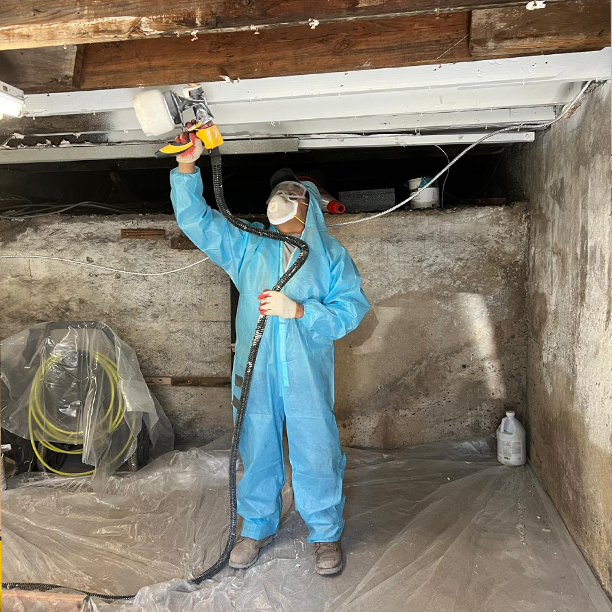
Mold can be a homeowner’s worst nightmare, often lurking in hidden corners and causing a range of health issues and structural damage. Understanding how to detect, address, and prevent mold growth is crucial for maintaining a safe and healthy living environment. This comprehensive guide will walk you through the essential steps of Mold remediation, from initial detection to effective removal, ensuring that you are well-equipped to tackle any mold-related challenges.
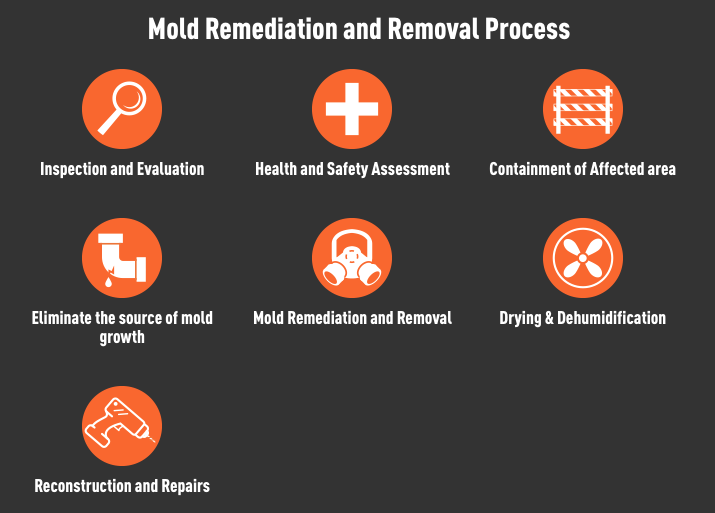
Image Source: Water damage restoration
Understanding Mold: The Basics
Mold is a type of fungus that thrives in damp environments. It reproduces through tiny spores that can easily become airborne, settling on various surfaces where moisture is present. Mold can appear in various colors and forms, making it essential to recognize its presence early.
Health Implications of Mold Exposure
Exposure to mold can lead to a variety of health issues, particularly for individuals with respiratory conditions, allergies, or weakened immune systems. Common symptoms include:
- Respiratory Problems: Coughing, wheezing, and difficulty breathing.
- Allergic Reactions: Sneezing, runny nose, and skin rashes.
- Asthma Attacks: Increased frequency and severity of asthma symptoms.
- Fatigue and Headaches: General malaise and discomfort.
Why Mold Inspection is Crucial
Conducting regular mold inspections can help you identify potential problems before they escalate. Early detection can save you from costly repairs and health complications. A mold-free home not only enhances your living conditions but can also increase your property’s market value.
Essential Tools for Mold Inspection
Before embarking on a mold inspection, gather the necessary tools and safety gear to ensure a thorough and safe evaluation.
Required Equipment
- Flashlight: To illuminate dark areas where mold may be hiding.
- Moisture Meter: To measure humidity levels in walls and other surfaces.
- Protective Gear: Gloves, goggles, and an N95 respirator mask to safeguard against exposure.
- Camera or Smartphone: To document findings for future reference.
- Screwdriver: Useful for checking behind baseboards and other fixtures.
Safety Precautions
Always prioritize safety during mold inspections. Wear protective gear to minimize exposure to mold spores, and ensure proper ventilation in the area you are inspecting.
Gathering Information About Your Home
Understanding your home’s history can provide valuable insights into potential mold issues.
Key Factors to Consider
- Previous Water Damage: Any history of flooding or leaks can indicate areas at risk for mold growth.
- Humidity Levels: Consistently high indoor humidity (above 60%) creates an ideal environment for mold.
- Ventilation Issues: Poor airflow can contribute to moisture buildup, leading to mold proliferation.
Step-by-Step Mold Inspection Checklist
This checklist will guide you through the process of inspecting your home for mold, ensuring you cover all critical areas.
Exterior Inspection
Start your inspection outside, as the exterior of your home is your first line of defense against moisture intrusion.
Roof and Gutters
- Gutter Maintenance: Ensure gutters are clear of debris and direct water away from the foundation.
- Shingle Condition: Look for missing, cracked, or curled shingles that may allow water penetration.
- Flashing Inspection: Check the flashing around chimneys and vents for signs of damage.
Landscape Grading and Drainage
- Proper Slope: Ensure the landscape slopes away from the house to facilitate drainage.
- Standing Water: Look for areas where water collects after rainfall.
Foundation and Exterior Walls
- Cracks and Damage: Inspect for visible cracks or signs of water intrusion.
- Siding Condition: Check for bubbling, peeling, or discoloration that may indicate moisture issues.
Interior Inspection
Once inside, use your senses and tools to identify potential mold growth.
Trust Your Senses
- Odor Detection: Pay attention to musty smells, which are often the first sign of hidden mold.
- Visual Inspection: Look for discoloration or stains on walls, ceilings, and floors.
High-Risk Areas
Focus your inspection on areas prone to moisture:
- Basements and Crawl Spaces: Check for dampness, water stains, and intact vapor barriers.
- Attics: Look for water stains and ensure proper ventilation.
- Bathrooms: Inspect under sinks and around fixtures for leaks and mold growth.
- Kitchens: Check for leaks under sinks and behind appliances.
- Laundry Rooms: Inspect for standing water and check dryer vents for blockages.
Assessing the HVAC System
Your HVAC system can be a hidden source of mold growth if not properly maintained.
HVAC Unit and Ducts
- Air Handler Inspection: Look for visible mold or musty odors in the air handler unit.
- Condensate Drain Lines: Ensure they are clear and functioning properly.
- Duct Inspection: Check for mold growth or blockages in air ducts.
What to Do After Your Inspection
Once your inspection is complete, it’s time to take action based on your findings.
Addressing Minor Mold Issues
For small mold patches (less than 10 square feet), you can often handle the cleanup yourself.
DIY Mold Removal Steps
- Wear Protective Gear: Always use gloves, goggles, and a mask.
- Clean the Area: Use a mixture of water and detergent or a solution of bleach and water.
- Dry Thoroughly: Ensure the area is completely dry to prevent future growth.
When to Call Professionals
In certain situations, it’s best to seek professional help:
- Extensive Mold Growth: If the affected area exceeds 10 square feet.
- Persistent Mold Odors: If you can’t locate the source of the smell.
- Health Concerns: If anyone in your household is experiencing severe symptoms related to mold exposure.
Mold Prevention Strategies
Preventing mold growth is just as important as remediation. Here are some effective strategies:
Maintain Indoor Humidity
- Optimal Levels: Keep humidity levels between 30% and 50% using dehumidifiers and proper ventilation.
- Monitor Humidity: Use a hygrometer to track indoor humidity levels.
Regular Maintenance
- Fix Leaks Promptly: Address any plumbing or roof leaks immediately.
- Ventilation: Ensure exhaust fans in kitchens and bathrooms are functioning properly.
Cleaning Practices
- Daily Cleaning: Regularly clean and dry areas prone to moisture, such as bathrooms and kitchens.
- Inspect and Maintain: Regularly check for signs of water damage and address them promptly.
Final Thoughts
This ultimate mold remediation checklist is an invaluable resource for homeowners. By following these steps, you can effectively identify, address, and prevent mold growth in your home. Remember, early detection is key to avoiding costly repairs and health issues. If you encounter significant mold problems, don’t hesitate to reach out to professionals who can provide the expertise and tools necessary to resolve the issue. With diligence and proactive measures, you can maintain a safe and healthy living environment for you and your family.
For more information contact Us:
Business name: Green Guard Mold Remediation of Edison
Address: 6 Kilmer Rd, Edison, NJ 08817, United States
Mobile: 908-762-8046
Mail: info@greenguardmoldremediationedison.com
