

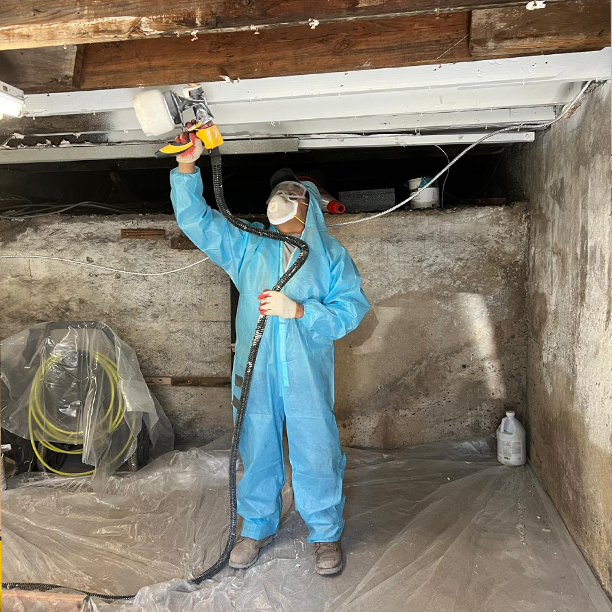
Indoor air quality is a critical aspect of maintaining a healthy living environment, especially in residential areas like Plainfield, NJ. Many homeowners may not realize that the air inside their homes can be significantly more polluted than the air outside. This is particularly concerning given the potential health risks associated with poor air quality. Air quality testing in Plainfield, NJ, is essential for identifying and mitigating these risks, ensuring that families can breathe easier and live healthier lives.
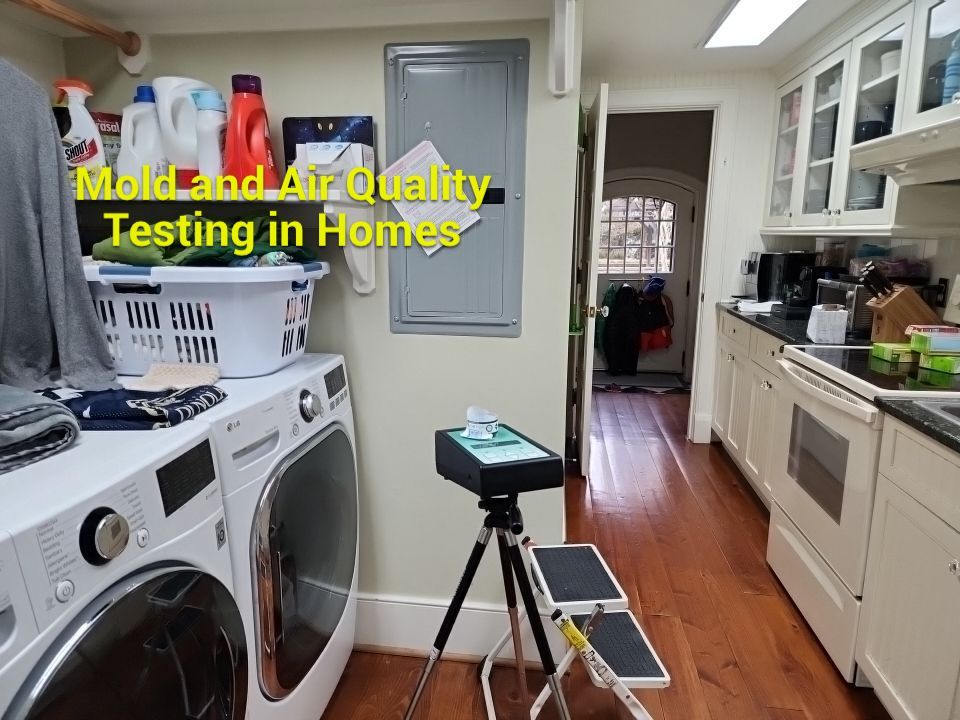
Understanding Indoor Air Quality
Indoor air quality (IAQ) refers to the condition of the air within buildings and structures, particularly as it relates to the health and comfort of occupants. Various factors can influence IAQ, including:
- Pollutants: These can be biological (like mold and dust mites), chemical (such as volatile organic compounds or VOCs), or particulate matter (like dust and smoke).
- Ventilation: Proper airflow is crucial for diluting indoor pollutants and bringing in fresh air.
- Humidity Levels: High humidity can promote mold growth, while low humidity can lead to respiratory issues.
Understanding these factors is the first step in recognizing the importance of air quality testing in Plainfield, NJ.
The Importance of Air Quality Testing
Identifying Hidden Pollutants
One of the primary reasons for conducting air quality testing is to identify hidden pollutants that may not be immediately visible. Common indoor pollutants include:
- Mold Spores: Often found in damp areas, mold can lead to serious health issues, including respiratory problems and allergic reactions.
- Volatile Organic Compounds (VOCs): These are emitted by various household products, including paints, cleaning supplies, and furniture. Long-term exposure can lead to chronic health issues.
- Carbon Monoxide: This colorless, odorless gas can be produced by gas appliances and can lead to serious health risks if not detected.
By conducting air quality testing, homeowners can uncover these hidden dangers and take appropriate action.
Protecting Health and Well-being
Poor indoor air quality can have a direct impact on the health and well-being of residents. Symptoms of exposure to indoor pollutants can include:
- Respiratory Issues: Conditions like asthma and allergies can be exacerbated by poor air quality.
- Fatigue and Headaches: Low air quality can lead to chronic fatigue and frequent headaches, affecting daily life.
- Irritation of Eyes, Nose, and Throat: Many pollutants can cause irritation, leading to discomfort and health issues.
Regular air quality testing can help identify sources of these problems, allowing homeowners to address them before they escalate.
Common Air Quality Issues in Plainfield Homes
Mold Growth
Mold is a prevalent issue in many homes, particularly in areas with high humidity or previous water damage. It can thrive in hidden spaces, such as behind walls or under carpets. Regular air quality testing can help detect mold spores in the air, allowing for timely remediation.
VOCs from Household Products
Many everyday products emit VOCs, which can accumulate in indoor environments. Common sources include:
- Cleaning Supplies: Many household cleaners contain VOCs that can affect air quality.
- Paints and Solvents: These can release harmful chemicals into the air long after application.
- Furniture and Carpeting: New furniture and carpets can off-gas VOCs, contributing to indoor pollution.
Testing for VOCs can help homeowners make informed choices about the products they use in their homes.
Carbon Monoxide Exposure
Carbon monoxide is a serious concern, especially in homes with gas appliances. Low-level leaks can go undetected by standard detectors, posing a significant health risk. Regular air quality testing can identify these leaks, ensuring the safety of residents.
Benefits of Air Quality Testing
Early Detection of Issues
One of the most significant benefits of air quality testing is the early detection of potential issues. By identifying pollutants before they reach harmful levels, homeowners can take proactive measures to improve their indoor air quality.
Improved Comfort
Good air quality contributes to a more comfortable living environment. By addressing issues like humidity and pollutants, residents can enjoy a healthier and more pleasant home.
Increased Property Value
Homes with good air quality are more appealing to potential buyers. Conducting air quality testing and addressing any issues can enhance a property’s value and marketability.
When to Consider Air Quality Testing
After Water Damage
If your home has experienced water damage, it’s crucial to conduct air quality testing. Mold can develop quickly in damp conditions, and testing can help identify any hidden issues.
During Home Renovations
Renovations can introduce new materials that may emit VOCs. Testing before and after renovations can help ensure that the air quality remains safe.
If Residents Experience Health Issues
If family members are experiencing unexplained health issues, such as persistent headaches or respiratory problems, it may be time to conduct air quality testing to identify potential pollutants.
How Air Quality Testing Works
The Testing Process
Air quality testing typically involves several steps:
- Initial Assessment: A professional will evaluate the home and discuss any concerns with the residents.
- Sampling: Air samples are collected from various locations within the home to analyze for pollutants.
- Analysis: Samples are sent to a laboratory for detailed analysis, identifying any harmful substances present.
- Reporting: Homeowners receive a comprehensive report detailing the findings and recommendations for improvement.
Types of Tests Conducted
Different tests can be conducted based on the specific concerns of the homeowner. Common tests include:
- Mold Testing: Identifies the presence of mold spores in the air.
- VOCs Testing: Measures the concentration of volatile organic compounds.
- Carbon Monoxide Testing: Detects the presence of carbon monoxide in the home.
Choosing the Right Air Quality Testing Service
Look for Certifications
When selecting an air quality testing service, it’s essential to choose a certified professional. Look for certifications from recognized organizations that demonstrate expertise in indoor air quality.
Read Reviews and Testimonials
Researching reviews and testimonials from previous clients can provide insight into the quality of service offered by a testing company. Look for companies with a strong reputation for thoroughness and reliability.
Ask About Testing Methods
Inquire about the methods used for testing. A reputable company should be transparent about their processes and the types of tests they conduct.
Conclusion
Air quality testing in Plainfield, NJ, is a vital step for homeowners looking to ensure a safe and healthy living environment. By identifying hidden pollutants, protecting health, and improving overall comfort, air quality testing can make a significant difference in the quality of life for residents. Whether you’re dealing with mold, VOCs, or carbon monoxide, regular testing can help you stay ahead of potential issues and maintain a healthy home for you and your family.
Investing in air quality testing is not just about addressing current problems; it’s about creating a safer, healthier future for your household. Don’t wait for symptoms to arise—take proactive steps today to ensure the air you breathe is clean and safe.
For more information about Mold Remediation in Plainfield, NJ Contact us:
Company: Green Guard Mold Remediation Plainfield
Address: 321 E 3rd St, Plainfield, NJ 07060
Call us:+1 888-793-7963
