

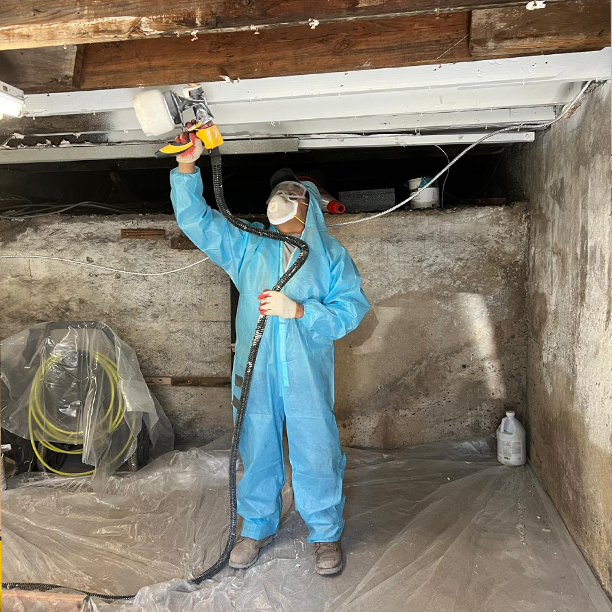
Mold is a common concern for homeowners and business owners alike, particularly in areas with high humidity or water damage. In Plainfield, NJ, the presence of mold can lead to serious health issues and structural damage if not addressed promptly. This is where mold sampling comes into play. Mold sampling Plainfield NJ is a critical process that helps identify the presence, type, and concentration of mold in a property. Understanding this process is essential for maintaining a safe and healthy indoor environment.

Understanding Mold and Its Risks
Mold is a type of fungus that thrives in damp environments. It reproduces through spores that can easily become airborne, leading to potential health risks when inhaled. Common symptoms of mold exposure include respiratory issues, skin irritations, and allergic reactions. Individuals with pre-existing conditions, such as asthma or weakened immune systems, are particularly vulnerable.
Health Implications of Mold Exposure
- Respiratory Problems: Mold spores can irritate the lungs and airways, leading to coughing, wheezing, and difficulty breathing.
- Allergic Reactions: Many people are allergic to mold, which can trigger symptoms like sneezing, runny nose, and itchy eyes.
- Long-term Effects: Prolonged exposure to mold can lead to chronic health issues, including persistent respiratory infections and other serious conditions.
Structural Damage
Beyond health concerns, mold can also cause significant damage to buildings. It can weaken structural components, leading to costly repairs. Mold can grow on various surfaces, including wood, drywall, and insulation, making it essential to address any moisture issues promptly.
What Is Mold Sampling?
Mold sampling is the process of collecting samples from the air or surfaces within a property to determine the presence and concentration of mold. This process is crucial for identifying hidden mold growth that may not be visible to the naked eye.
Types of Mold Sampling
- Air Sampling: This method involves collecting air samples from various locations within a property. The samples are then analyzed to determine the concentration of mold spores present.
- Surface Sampling: This technique involves taking samples from surfaces suspected of harboring mold. Common methods include swab sampling and tape lifts.
- Bulk Sampling: In this method, a small piece of material suspected of containing mold is removed and analyzed in a laboratory.
- Invasive Sampling: This approach is used when mold is suspected in hidden areas, requiring the opening of walls or ceilings for direct inspection.
Why Is Mold Sampling Necessary?
Mold sampling is essential for several reasons:
- Early Detection: It helps identify mold issues before they become visible, allowing for timely remediation.
- Health Assessment: Sampling provides valuable information about the types of mold present, which can inform health risk assessments.
- Informed Remediation: Understanding the extent and type of mold present allows for targeted remediation strategies.
The Mold Sampling Process
The mold sampling process typically involves several steps, each designed to ensure accurate results.
Initial Assessment
Before any sampling occurs, a thorough assessment of the property is conducted. This includes:
- Visual Inspection: Inspecting areas for visible signs of mold or moisture.
- History Review: Evaluating the property’s history regarding water damage or humidity issues.
Sample Collection
Once the initial assessment is complete, samples are collected based on the findings. This may involve:
- Air Sampling: Using specialized equipment to capture air samples from various rooms.
- Surface Sampling: Collecting samples from suspected moldy surfaces using swabs or tape lifts.
Laboratory Analysis
After collection, samples are sent to a certified laboratory for analysis. The lab will:
- Identify Mold Species: Determine the types of mold present in the samples.
- Measure Concentration Levels: Assess the concentration of mold spores to evaluate potential health risks.
Interpretation of Results
Once the lab results are available, they must be interpreted correctly. This involves:
- Understanding Context: Results should be evaluated in conjunction with the property’s history and current conditions.
- Making Informed Decisions: Based on the findings, property owners can decide on the necessary remediation steps.
The Importance of Professional Mold Sampling
While DIY mold testing kits are available, professional mold sampling is highly recommended for several reasons.
Expertise and Accuracy
Professional mold inspectors have the training and experience to conduct thorough assessments and interpret results accurately. They follow standardized procedures to ensure reliable outcomes.
Comprehensive Analysis
Professionals consider various environmental factors, such as humidity levels and moisture content, which are crucial for understanding mold growth. This comprehensive approach leads to more effective remediation strategies.
Legal and Health Documentation
In cases of health concerns or potential litigation, professional mold sampling provides documented evidence of mold presence and types. This documentation can be crucial for legal proceedings or health assessments.
Common Situations Requiring Mold Sampling
There are specific scenarios where mold sampling becomes particularly important.
Unexplained Health Symptoms
If occupants experience unexplained allergy-like symptoms or respiratory issues, mold sampling can help determine if mold is the underlying cause.
History of Water Damage
Properties that have experienced leaks, flooding, or high humidity levels are at a higher risk for hidden mold growth. Sampling can confirm whether mold is present and assess its extent.
Real Estate Transactions
Mold sampling is often used during real estate transactions to provide documentation of mold conditions. Buyers can make informed decisions, while sellers can address concerns proactively.
Post-Remediation Verification
After mold remediation has been completed, post-remediation sampling is essential to verify that mold levels have returned to acceptable ranges.
Cost Considerations for Mold Sampling
The cost of mold sampling can vary based on several factors, including:
- Type of Sampling: Different methods (air, surface, bulk) have varying costs associated with them.
- Size of the Property: Larger properties may require more samples, increasing overall costs.
- Laboratory Fees: The cost of laboratory analysis can also impact the total expense.
Budgeting for Mold Sampling
When budgeting for mold sampling, consider the potential costs of remediation if mold is found. Investing in sampling can save money in the long run by preventing more extensive damage.
DIY vs. Professional Mold Sampling
While DIY mold testing kits are available, they often lack the accuracy and context provided by professional services.
Limitations of DIY Kits
- Lack of Context: DIY kits typically do not consider environmental factors that can influence mold growth.
- Inaccurate Results: Without professional interpretation, results can be misleading, leading to unnecessary worry or inadequate responses.
Benefits of Professional Services
- Accurate Sampling: Professionals use advanced techniques and equipment to ensure reliable results.
- Comprehensive Reporting: Detailed reports provide valuable insights for remediation and health assessments.
Conclusion: Taking Action Against Mold
Mold sampling is a vital process for maintaining a healthy indoor environment in Plainfield, NJ. By understanding the importance of mold sampling and engaging professional services, property owners can protect their health and investments. Whether dealing with unexplained health symptoms, a history of water damage, or preparing for a real estate transaction, mold sampling provides the clarity needed to make informed decisions.
If you suspect mold in your home or business, don’t hesitate to reach out to local experts for professional mold sampling services. Taking proactive steps today can safeguard your property and ensure a healthier living environment for you and your family.
For more information about Mold Sampling in Plainfield, NJ Contact us:
Company: Green Guard Mold Remediation Plainfield
Address: 321 E 3rd St, Plainfield, NJ 07060
Call us:+1 888-793-7963
