

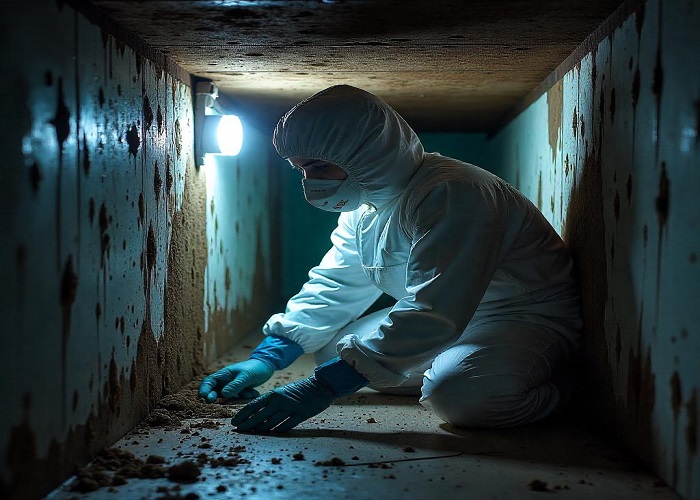
The Complete Guide to Air Quality Testing Services in New Jersey
Indoor air quality is a critical aspect of our health and well-being, yet many people are unaware that the air inside their homes can be significantly more polluted than the air outside. In New Jersey, where many homes are older and often sealed tightly during long winters, the risk of poor air quality is heightened. This guide will explore the importance of air quality testing services in New Jersey, the common pollutants found indoors, the testing process, and how to maintain a healthy indoor environment.

Understanding Indoor Air Quality
Indoor air quality (IAQ) refers to the condition of the air within buildings and structures, particularly as it relates to the health and comfort of occupants. Poor IAQ can lead to various health issues, including respiratory problems, allergies, and other chronic conditions.
Common Indoor Pollutants
Several pollutants can compromise indoor air quality, including:
- Volatile Organic Compounds (VOCs): These are emitted from various household products such as paints, cleaning agents, and furniture. Prolonged exposure can lead to headaches, dizziness, and long-term health effects.
- Mold Spores: Mold thrives in damp environments and can release spores into the air, which can trigger allergic reactions and respiratory issues.
- Carbon Monoxide (CO): This colorless, odorless gas can be produced by malfunctioning appliances and can be deadly in high concentrations.
- Dust and Allergens: Dust mites, pet dander, and pollen can accumulate indoors, exacerbating allergies and asthma.
Why Air Quality Testing is Essential
Conducting air quality testing is crucial for identifying hidden pollutants that may not be visible but can significantly impact health. Regular assessments can help detect issues early, allowing for timely remediation and prevention of long-term health problems.
The Importance of Air Quality Testing in New Jersey
In New Jersey, the need for air quality testing is particularly pressing due to several factors:
Unique Environmental Challenges
- Older Housing Stock: Many homes in New Jersey were built decades ago and may not have adequate ventilation systems, leading to trapped pollutants.
- Long Winters: The cold climate forces residents to seal their homes tightly, which can trap moisture and pollutants indoors.
- High Humidity Levels: The state’s humid summers can contribute to mold growth, making air quality testing vital for maintaining a healthy environment.
Health Implications
Poor indoor air quality can lead to various health issues, particularly for vulnerable populations such as children, the elderly, and individuals with pre-existing health conditions. Regular testing can help mitigate these risks and ensure a safe living environment.
The Air Quality Testing Process
Understanding the air quality testing process can help homeowners make informed decisions about their indoor environments. Here’s a breakdown of what to expect during an air quality assessment.
Initial Consultation
The process typically begins with a consultation where the testing company will discuss any specific concerns or symptoms experienced by the occupants. This information helps guide the testing process.
Site Inspection
A thorough inspection of the property is conducted to identify potential sources of pollution. Technicians will look for signs of moisture, mold, and inadequate ventilation, focusing on areas like basements, attics, and bathrooms.
Air Sampling
Air samples are collected using various methods, including:
- Spore Trap Sampling: This method captures airborne mold spores for laboratory analysis.
- Air-O-Cell Sampling: This technique collects air samples over a specified period to identify mold species.
- Impaction Sampling: Air is forced into a culture medium to grow viable spores, allowing for identification and quantification.
Laboratory Analysis
Once samples are collected, they are sent to a certified laboratory for analysis. The lab will identify the types and concentrations of pollutants present in the air, providing a comprehensive overview of the indoor air quality.
Reporting and Recommendations
After analysis, the testing company will provide a detailed report outlining the findings. This report will include:
- Levels of detected pollutants
- Recommendations for remediation
- Steps to improve indoor air quality
Signs You Need Air Quality Testing
Being aware of the signs that indicate poor indoor air quality can help you take proactive measures. Here are some common indicators:
Unpleasant Odors
If you notice musty or chemical smells in your home, it may be a sign of mold growth or the presence of VOCs. These odors can indicate that air quality testing is necessary.
Health Symptoms
Frequent headaches, respiratory issues, or allergy-like symptoms that improve when you leave the home can signal poor air quality. If multiple occupants experience similar symptoms, it’s time to consider testing.
Visible Mold Growth
If you see visible mold on walls, ceilings, or around vents, it’s crucial to conduct air quality testing to assess the extent of the problem and determine the best remediation approach.
Recent Water Damage
If your home has experienced leaks, flooding, or other water damage, air quality testing is essential to ensure that mold spores are not lingering in the air.
Benefits of Air Quality Testing
Investing in air quality testing services offers numerous benefits for homeowners in New Jersey:
Improved Health and Well-Being
By identifying and addressing indoor air pollutants, you can significantly reduce health risks associated with poor air quality. This is especially important for families with children, seniors, or individuals with respiratory conditions.
Enhanced Comfort
Good indoor air quality contributes to a more comfortable living environment. Proper ventilation and reduced allergens can lead to improved overall comfort in your home.
Increased Property Value
Maintaining good air quality can enhance the value of your property. Potential buyers are more likely to be interested in homes that have been tested and certified for good air quality.
Peace of Mind
Knowing that your indoor air is safe and healthy provides peace of mind for you and your family. Regular testing can help you stay ahead of potential issues and ensure a safe living environment.
Choosing the Right Air Quality Testing Service
Selecting a reputable air quality testing service is crucial for obtaining accurate results. Here are some tips for choosing the right provider:
Look for Certifications
Ensure that the testing company is certified and follows industry standards for air quality testing. Certifications from organizations like the Indoor Air Quality Association (IAQA) can indicate a commitment to quality.
Read Reviews and Testimonials
Check online reviews and testimonials from previous clients to gauge the company’s reputation. Positive feedback can provide insight into the quality of service you can expect.
Ask About Testing Methods
Inquire about the testing methods used by the company. A reputable provider should be able to explain their sampling techniques and laboratory analysis processes.
Request a Detailed Report
A good air quality testing service will provide a comprehensive report detailing the findings and recommendations. Ensure that the company is transparent about their results and offers actionable solutions.
Maintaining Good Indoor Air Quality
Once you have conducted air quality testing and addressed any issues, it’s essential to maintain good indoor air quality. Here are some tips to keep your air clean and healthy:
Regular Ventilation
Ensure that your home is well-ventilated to allow fresh air to circulate. Open windows when weather permits and use exhaust fans in kitchens and bathrooms to reduce humidity.
Control Humidity Levels
Keep indoor humidity levels between 30-50% to prevent mold growth. Use dehumidifiers in damp areas and fix any leaks promptly.
Use Air Purifiers
Consider using HEPA air purifiers to reduce airborne particles and allergens. These devices can help improve indoor air quality, especially in homes with pets or allergies.
Regular Cleaning
Regularly clean and dust your home to reduce allergens. Pay special attention to carpets, upholstery, and HVAC systems, as these can harbor dust and mold.
Conclusion
Air quality testing is a vital service for homeowners in New Jersey, helping to identify and mitigate indoor air pollutants that can affect health and comfort. By understanding the importance of air quality, recognizing the signs of poor indoor air, and choosing the right testing service, you can ensure a safe and healthy living environment for you and your family. Regular testing and maintenance of indoor air quality will not only enhance your well-being but also protect your property and increase its value.
For those in New Jersey, taking proactive steps towards air quality testing can lead to a healthier, more comfortable home. Don’t wait for symptoms to arise; schedule your air quality assessment today and breathe easier knowing your indoor air is safe.
For more information about Mold Remediation in New Jersey, contact us:
New Jersey Mold Specialist
Address:92 Bayard St #203, New Brunswick, NJ 08901
call us:(732) 973-9352
Email: info@njmoldspecialist.com
Website:https://njmoldspecialist.com/
