


Mold growth can be a hidden menace in homes, particularly in areas prone to moisture. In Hackensack, NJ, where humidity levels can rise, understanding how professional mold detection works is crucial for homeowners. Mold inspection Hackensack NJ services are designed to identify and address mold issues before they escalate into serious health risks or structural damage. This article will delve into the intricacies of mold detection, the methods employed by professionals, and the importance of timely intervention.
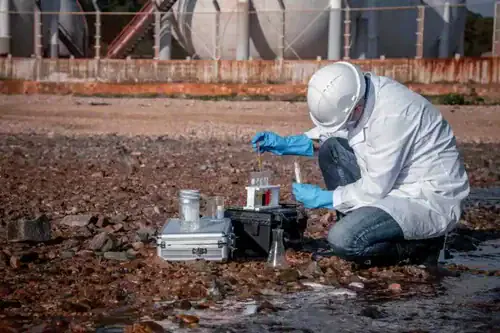
Understanding Mold and Its Risks
Mold is a type of fungus that thrives in damp environments. It can grow on various surfaces, including wood, drywall, and fabric. While some mold types are harmless, others can pose significant health risks, particularly to individuals with allergies, asthma, or weakened immune systems.
Health Implications of Mold Exposure
Exposure to mold can lead to a range of health issues, including:
- Respiratory Problems: Mold spores can irritate the respiratory system, leading to coughing, wheezing, and difficulty breathing.
- Allergic Reactions: Many individuals may experience allergic reactions, such as sneezing, runny nose, and skin rashes.
- Neurological Effects: Some studies suggest that prolonged exposure to certain mold types may lead to neurological symptoms, including memory loss and mood swings.
Structural Damage
Beyond health concerns, mold can also compromise the structural integrity of a home. It can weaken walls, ceilings, and floors, leading to costly repairs. Understanding these risks underscores the importance of regular mold inspections.
The Importance of Professional Mold Inspection
While homeowners can perform visual checks for mold, professional mold inspection Hackensack NJ services offer a comprehensive approach to mold detection. Professionals utilize advanced techniques and equipment to identify hidden mold that may not be visible to the naked eye.
Benefits of Professional Mold Inspection
- Thorough Assessment: Professionals conduct a detailed assessment of the property, identifying potential mold growth areas, including basements, attics, and behind walls.
- Advanced Technology: Mold inspectors use state-of-the-art tools, such as thermal imaging cameras and moisture meters, to detect hidden moisture and mold.
- Expert Knowledge: Trained professionals understand the various mold types and their potential health impacts, allowing for accurate identification and remediation strategies.
Steps in the Mold Inspection Process
The mold inspection process typically involves several key steps, ensuring a thorough evaluation of the property.
Initial Consultation
The process begins with an initial consultation, where the inspector discusses the homeowner’s concerns and any visible signs of mold. This step helps the inspector understand the scope of the inspection.
Visual Inspection
Next, a comprehensive visual inspection is conducted. Inspectors look for signs of mold growth, water damage, and moisture sources. Common areas of concern include:
- Basements: Often damp and poorly ventilated, making them prime locations for mold growth.
- Attics: Poor insulation and ventilation can lead to moisture buildup.
- Bathrooms: High humidity levels from showers and baths can promote mold growth.
Moisture Assessment
After the visual inspection, the inspector will assess moisture levels using specialized equipment. High moisture readings can indicate potential mold growth areas, prompting further investigation.
Air Quality Testing
In some cases, air quality testing may be conducted to measure mold spore levels in the air. This testing helps determine if mold is present in hidden areas and assesses the overall air quality of the home.
Reporting Findings
Once the inspection is complete, the inspector will provide a detailed report outlining their findings. This report typically includes:
- Areas of concern
- Types of mold identified
- Recommendations for remediation
Mold Remediation Strategies
If mold is detected, the next step is remediation. Professional mold remediation involves several strategies to eliminate mold and prevent future growth.
Containment
To prevent mold spores from spreading during the removal process, containment measures are implemented. This may involve sealing off affected areas with plastic sheeting and using negative air pressure machines.
Removal
Once contained, the mold is removed using specialized techniques. This may include:
- Physical Removal: Scraping or sanding surfaces to eliminate mold.
- Chemical Treatments: Applying antimicrobial solutions to kill mold spores.
Restoration
After mold removal, restoration efforts are necessary to repair any damage caused by mold growth. This may involve replacing drywall, flooring, or insulation.
Preventing Future Mold Growth
After remediation, homeowners should take proactive steps to prevent future mold growth.
Moisture Control
Controlling moisture levels is crucial in preventing mold. Homeowners can:
- Use dehumidifiers in damp areas.
- Ensure proper ventilation in bathrooms and kitchens.
- Fix leaks promptly to prevent water accumulation.
Regular Inspections
Regular mold inspections can help identify potential issues before they escalate. Homeowners should consider scheduling inspections annually, especially in high-risk areas.
Choosing the Right Mold Inspection Service
Selecting a reputable mold inspection service is essential for effective mold detection and remediation. Homeowners should consider the following factors:
Experience and Credentials
Look for companies with extensive experience in mold inspection and remediation. Check for certifications from recognized organizations, such as the Institute of Inspection, Cleaning and Restoration Certification (IICRC).
Customer Reviews
Reading customer reviews can provide insight into the company’s reputation and the quality of their services. Look for testimonials that highlight thoroughness, professionalism, and effective communication.
Comprehensive Services
Choose a company that offers a full range of services, including inspection, testing, and remediation. This ensures a seamless process from detection to resolution.
Conclusion
Understanding how professional mold detection works in Hackensack, NJ homes is vital for maintaining a safe and healthy living environment. Mold inspection Hackensack NJ services provide homeowners with the expertise and tools needed to identify and address mold issues effectively. By prioritizing regular inspections and taking proactive measures, homeowners can protect their health and property from the dangers of mold.
Taking action against mold not only safeguards your home but also enhances your overall quality of life. Don’t wait for mold to become a problem—schedule a professional inspection today and ensure your home remains a safe haven for you and your family.
For more information about Water Damage Restoration Services in Hackensack, NJ, please contact:
Green Guard Mold Remediation Hackensack
Address: 60 Court St, Hackensack, NJ 07601, United States
Phone: +1 551-324-9713
Email: info@greenguardmoldhackensack.com
Website: https://greenguardmoldhackensack.com/
