

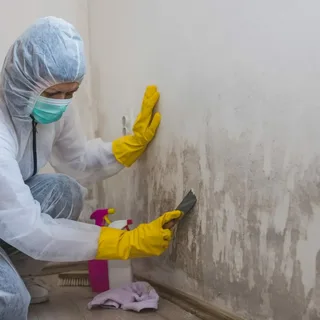
Purchasing a home is one of the most significant financial decisions you will ever make. While the excitement of finding your dream house can be overwhelming, it’s crucial to approach this milestone with caution and thoroughness. One often overlooked aspect of the home-buying process is the importance of Professional mold testing. Mold can be a hidden menace, lurking in places that are not immediately visible, and its presence can have serious implications for your health, finances, and overall well-being. In this article, we will delve into the reasons why obtaining a professional mold inspection before finalizing your home purchase is not just advisable, but essential.

Image Source: Sherwood Inspection Services
Understanding Mold and Its Risks
What Is Mold?
Mold is a type of fungus that thrives in damp, humid environments. It can grow on various surfaces, including wood, drywall, and insulation, particularly in areas that have experienced water damage or poor ventilation. While some mold is visible, appearing as unsightly patches in various colors, much of it can remain hidden behind walls or under flooring, making it difficult to detect without professional assistance.
Health Implications of Mold Exposure
Exposure to mold can lead to a range of health issues, particularly for individuals with pre-existing respiratory conditions, allergies, or weakened immune systems. Common symptoms of mold exposure include:
- Respiratory Problems: Coughing, wheezing, and difficulty breathing can arise from inhaling mold spores.
- Allergic Reactions: Sneezing, runny nose, and skin irritations are common among those sensitive to mold.
- Chronic Conditions: Long-term exposure can exacerbate asthma and lead to more severe health complications.
Understanding these risks is crucial for any prospective homeowner, as the presence of mold can turn your dream home into a health hazard.
The Hidden Nature of Mold
Why Mold Can Go Undetected
One of the most insidious aspects of mold is its ability to grow in hidden areas. Even if a home appears clean and well-maintained, mold can be lurking in places like attics, crawl spaces, and behind walls. Factors contributing to hidden mold growth include:
- Water Damage: Past leaks or flooding can create ideal conditions for mold to thrive.
- Poor Ventilation: Areas with inadequate airflow can trap moisture, promoting mold growth.
- Humidity Levels: High humidity can lead to condensation, providing a breeding ground for mold.
Because of these factors, a standard home inspection may not uncover mold issues, making a specialized mold inspection essential.
The Importance of Professional Mold Testing
Professional mold testing goes beyond a simple visual inspection. Certified mold inspectors utilize advanced tools and techniques to identify mold presence and assess air quality. This thorough approach includes:
- Visual Assessments: Inspectors look for visible signs of mold and moisture.
- Moisture Meters: These devices measure humidity levels in various areas of the home.
- Air Sampling: Collecting air samples helps identify airborne mold spores and their concentrations.
By employing these methods, professionals can provide a comprehensive evaluation of the property, ensuring that any mold issues are identified and addressed before you finalize your purchase.
Financial Implications of Mold Issues
Avoiding Costly Repairs
Mold remediation can be an expensive endeavor, particularly if the problem has spread extensively throughout the home. The costs associated with mold removal can range from a few hundred to several thousand dollars, depending on the severity of the infestation. By identifying mold early through professional testing, you can:
- Negotiate Repairs: If mold is detected, you can request that the seller address the issue before closing or adjust the sale price to account for remediation costs.
- Budget for Remediation: Knowing the extent of any mold issues allows you to plan financially for necessary repairs.
Protecting Your Investment
A mold problem can significantly reduce the value of a property. If mold is discovered after the purchase, the financial burden of remediation falls entirely on you as the new homeowner. By ensuring that the home is free from mold before you buy, you protect your investment and avoid potential financial pitfalls.
Peace of Mind for Homebuyers
Ensuring a Safe Living Environment
Moving into a new home should be a joyous occasion, not a source of anxiety. Knowing that your prospective home is free from mold allows you to focus on making it your own without worrying about hidden dangers. A professional mold inspection provides peace of mind, ensuring that your living environment is safe for you and your family.
Building a Healthy Home
A mold-free home contributes to a healthier living environment. By investing in a professional mold inspection, you are taking proactive steps to safeguard your family’s health and well-being. This commitment to a healthy home can lead to a more enjoyable living experience and a greater sense of security.
The Mold Inspection Process
What to Expect During a Mold Inspection
A professional mold inspection typically involves several key steps:
- Initial Consultation: The inspector will discuss any concerns you may have and outline the inspection process.
- Visual Inspection: The inspector will examine the property for visible signs of mold and moisture.
- Testing: If mold is suspected, samples may be collected for laboratory analysis.
- Report Generation: After the inspection, you will receive a detailed report outlining the findings and recommendations.
This thorough process ensures that you have all the information needed to make an informed decision about your potential new home.
Signs That Indicate the Need for a Mold Inspection
While not every home requires a mold inspection, certain red flags should prompt you to seek professional help:
- Musty Odors: Lingering smells in specific areas can indicate hidden mold.
- Visible Discoloration: Stains on walls, ceilings, or floors may suggest mold growth.
- Past Water Damage: Evidence of leaks or flooding should raise concerns about potential mold issues.
- High Humidity Levels: Areas with poor ventilation or excessive moisture warrant further investigation.
If you notice any of these signs, it’s wise to schedule a mold inspection to rule out potential problems.
The Benefits of Hiring a Professional Mold Inspector
Expertise and Experience
While DIY mold testing kits are available, they often lack the accuracy and depth of a professional inspection. Certified inspectors bring years of experience and specialized equipment to the table, ensuring thorough and reliable results. Their expertise allows them to identify mold issues that may go unnoticed by the untrained eye.
Access to Accredited Labs
Professional mold inspectors work with accredited laboratories to analyze mold samples. This level of precision provides you with confidence in the findings and helps you make informed decisions about your purchase. The detailed reports generated by these labs can also serve as valuable documentation if mold issues arise in the future.
Addressing Common Concerns About Mold Inspections
Cost Considerations
Many potential homebuyers hesitate to schedule a mold inspection due to concerns about cost. However, the expense of an inspection is minimal compared to the potential financial burden of dealing with mold after closing. Investing in a mold inspection can save you thousands of dollars in remediation costs down the line.
Time and Convenience
Some buyers worry that mold inspections will be time-consuming or disruptive. In reality, inspections are typically quick and non-invasive, causing minimal disruption to your schedule. Most inspections can be completed within an hour, allowing you to move forward with your home-buying process without significant delays.
Accuracy and Reliability
Reputable mold inspectors use advanced tools and follow strict protocols to minimize the risk of false positives or negatives. This commitment to accuracy ensures that you receive reliable results, allowing you to make informed decisions about your potential new home.
Legal and Financial Implications of Skipping a Mold Inspection
Responsibility for Mold Issues
Once you sign the papers and take ownership of the home, any mold-related issues become your responsibility. Sellers are not always required to disclose mold unless explicitly asked, leaving you vulnerable to unexpected problems. Conducting a mold inspection before closing protects you from inheriting costly issues.
Insurance Considerations
Insurance companies may deny claims related to pre-existing mold problems, leaving you to shoulder the financial burden alone. By obtaining a professional mold inspection, you can ensure that any mold issues are identified and addressed before you finalize your purchase, protecting yourself from potential insurance complications.
Conclusion
In conclusion, a professional mold inspection is an essential step in the home-buying process. It protects your health, safeguards your finances, and provides peace of mind as you embark on this exciting chapter of homeownership. Don’t let hidden dangers derail your dream home. Take the proactive step of scheduling a mold inspection today to ensure your prospective home is safe and ready for you and your family.
By prioritizing mold testing, you are making a smart investment in your future, ensuring that your new home is a safe haven for years to come.
For more information contact Us:
Business name: Green Guard Mold Specialist Elizabeth
Address: 919 S Elmora Ave, Elizabeth, NJ 07202
Mobile: 888-861-7846
Email: info@greenguardmoldelizabeth.com
