

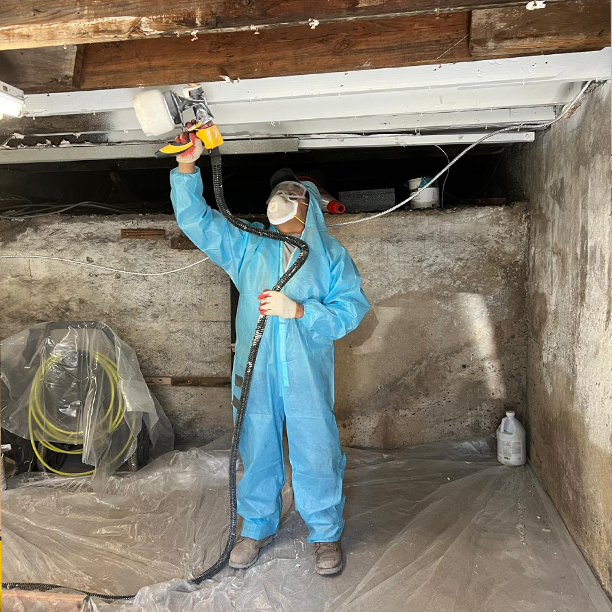
Mold is a pervasive issue that can silently infiltrate homes and offices, posing significant risks to both property and health. As moisture accumulates in various areas, mold spores can thrive, leading to potential structural damage and health complications. Recognizing the early signs of mold is crucial for Effective remediation and maintaining a safe environment. In this article, we will delve into the top warning signs of hidden mold, providing you with the knowledge needed to protect your space.
Understanding Mold Growth
Mold is a type of fungus that thrives in damp, humid conditions. It can grow on various surfaces, including wood, drywall, and fabric. The presence of mold is often linked to water damage, leaks, or high humidity levels. Understanding the conditions that foster mold growth is essential for prevention and early detection.
Common Causes of Mold
- Water Leaks: Leaky roofs, plumbing issues, and condensation can create ideal conditions for mold.
- High Humidity: Environments with humidity levels above 60% are prone to mold growth.
- Poor Ventilation: Inadequate airflow can trap moisture, allowing mold to flourish.
Health Risks Associated with Mold
Exposure to mold can lead to various health issues, particularly for individuals with respiratory conditions or weakened immune systems. Symptoms may include:
- Allergic reactions
- Respiratory problems
- Skin irritations
- Fatigue and headaches
Recognizing the signs of mold early can help mitigate these health risks.
1. Musty Odors
One of the most recognizable signs of mold presence is a persistent musty smell. This odor often indicates that mold is growing in hidden areas, such as behind walls or under carpets.
What to Do:
- Investigate the Source: Identify areas where the smell is strongest and check for moisture.
- Improve Ventilation: Open windows and use fans to enhance airflow and reduce humidity.
- Consider Professional Help: If the odor persists, it may be time to consult a mold remediation specialist.
2. Visible Mold Growth
While mold can often be hidden, it may also manifest as visible patches on walls, ceilings, or other surfaces. These spots can vary in color, including black, green, or white.
What to Do:
- Clean Small Areas: For minor mold growth, use a mixture of water and vinegar or a commercial mold cleaner.
- Seek Professional Assistance: If the mold covers a large area, it’s best to hire professionals for safe removal.
3. Water Stains and Discoloration
Water stains on ceilings or walls can indicate past or present water damage, which may lead to mold growth. These stains often appear yellow or brown and can be a sign of leaks.
What to Do:
- Identify the Leak: Investigate the source of the water damage and repair it promptly.
- Dry the Area: Ensure the affected area is thoroughly dried to prevent mold from developing.
4. Condensation on Windows
Frequent condensation on windows can indicate high humidity levels within your home or office. This moisture can create an environment conducive to mold growth.
What to Do:
- Use Dehumidifiers: Employ dehumidifiers in areas prone to condensation to maintain optimal humidity levels.
- Wipe Down Surfaces: Regularly clean windows and sills to prevent moisture buildup.
5. Allergic Reactions
If you or your family members experience unexplained allergic reactions, such as sneezing, itchy eyes, or skin rashes, mold exposure may be the culprit.
What to Do:
- Monitor Symptoms: Pay attention to when symptoms worsen, particularly in damp areas.
- Consult a Professional: If symptoms persist, consider hiring a mold inspector to assess your home.
6. Respiratory Issues
Mold can exacerbate respiratory problems, leading to symptoms like coughing, wheezing, or shortness of breath. These issues may arise even in individuals without pre-existing conditions.
What to Do:
- Improve Air Quality: Regularly clean your HVAC system and use air purifiers to reduce mold spores in the air.
- Seek Medical Attention: If respiratory symptoms worsen, consult a healthcare professional.
7. Persistent Headaches
Unexplained headaches or migraines can be linked to mold exposure. Mycotoxins released by mold can affect the nervous system, leading to discomfort.
What to Do:
- Track Symptoms: Note if headaches improve when away from your home or office.
- Consider Mold Testing: If mold is suspected, professional testing can confirm its presence.
8. Skin Irritations
Rashes or skin irritations can occur due to contact with mold spores or contaminated surfaces. Individuals with sensitive skin may be particularly affected.
What to Do:
- Clean Affected Areas: Use mold-resistant cleaners on surfaces where skin contact is frequent.
- Consult a Dermatologist: If skin issues persist, seek advice from a healthcare professional.
9. Chronic Fatigue
Feeling unusually tired or fatigued can be a sign of mold exposure. The body’s immune response to mold toxins can drain energy levels.
What to Do:
- Evaluate Your Environment: Consider whether fatigue improves when away from your home or office.
- Conduct a Mold Inspection: Professional inspections can identify hidden mold sources.
10. Recurring Sinus Infections
Frequent sinus infections or congestion may indicate mold presence. Mold spores can irritate nasal passages, leading to inflammation.
What to Do:
- Improve Ventilation: Ensure proper airflow in areas prone to moisture.
- Consult a Specialist: If sinus issues persist, consider a mold inspection.
11. Warped or Bubbling Surfaces
Warped walls, ceilings, or floors can indicate moisture damage, often linked to mold growth. Bubbling paint or wallpaper is a clear sign of underlying issues.
What to Do:
- Inspect for Moisture: Check for leaks or water damage in the affected areas.
- Repair and Repaint: Address the moisture issue before repainting with mold-resistant materials.
12. Rust on Pipes or Fixtures
Rust on plumbing fixtures can indicate moisture problems, which may lead to mold growth. If you notice rust, it’s essential to investigate further.
What to Do:
- Identify the Source: Check for leaks or condensation around rusted areas.
- Clean and Treat: Use rust-resistant products and consider applying moisture barriers.
Conclusion
Recognizing the warning signs of hidden mold in your home or office is crucial for maintaining a safe and healthy environment. By staying vigilant and addressing potential issues early, you can prevent mold growth and its associated health risks. If you suspect mold in your space, don’t hesitate to seek professional assistance for thorough inspections and remediation. Protect your property and well-being by being proactive about mold management.
For More information about Hidden Mold in Your Home or Office, Contacts us:
Business Name: Green Guard Mold Specialist Elizabeth
Address: 919 S Elmora Ave, Elizabeth, NJ 07202
Phone: 888-861-7846
Email: info@greenguardmoldelizabeth.com
Website: https://greenguardmoldelizabeth.com/
