

Think about the last time you worried about air pollution. Chances are, you pictured smog hanging over a city skyline, or maybe the grey haze rising from a factory chimney. What you probably didn’t picture was your living room. Or your office. Or your child’s bedroom at 2 in the morning.
But here’s the uncomfortable truth: the air inside your home can be two to five times more polluted than the air outside — and on some days, the gap is even wider such issues can be examined by taking help of professionals who tests the air quality of the surroundings and suggests preventive measures. The U.S. Environmental Protection Agency has called indoor air pollution one of the top five environmental health risks of our time. Yet it barely registers in public conversation.
We open windows to “get some fresh air,” never stopping to consider what’s already floating around in the air we breathe every single day.
What’s Actually in Your Indoor Air?
Before we talk about what poor air quality does to your body, it helps to understand what we’re actually dealing with.
Indoor air is a cocktail of pollutants, and most of them are invisible. The major culprits include:
Particulate Matter (PM2.5 and PM10) — These are tiny particles suspended in the air. PM2.5 particles are smaller than the width of a human hair and can travel deep into your lungs. They come from cooking (yes, even frying vegetables), candles, incense, wood-burning fireplaces, and dust. If you’ve ever seen sunlight streaming through a window and noticed the floating specks, you’ve seen particulate matter. Most of it, though, is far too small to see.
Volatile Organic Compounds (VOCs) — This is a broad category of chemicals that off-gas from everyday products. Fresh paint, new furniture, cleaning sprays, air fresheners, dry-cleaned clothes — they all release VOCs. Some, like formaldehyde, are classified as probable or known carcinogens. That “new car smell” you love? Almost entirely VOCs.
Carbon Monoxide (CO) — Odorless, colorless, and potentially lethal. It comes from gas stoves, heaters, and attached garages. Even at low levels, chronic exposure causes headaches and fatigue that most people chalk up to stress or poor sleep.
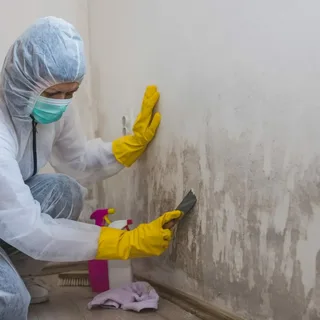
Mold Spores — A leaking pipe, a poorly ventilated bathroom, or even condensation around windows can create the damp conditions mold needs. Once it takes hold, mold releases spores that circulate through the air for months or years.
Radon — A naturally occurring radioactive gas that seeps up from the soil beneath buildings. It’s the second leading cause of lung cancer in many countries, and most people have never had their home tested for it.
Biological Pollutants — Dust mites, pet dander, cockroach debris, bacteria, and viruses. Your bedding, your carpet, your couch — all of them harbor populations of microscopic organisms that shed constantly into the air.
The Health Consequences: More Than Just Sneezing
Here’s where things get serious.
Respiratory Problems
This one is the most obvious, but even here, the depth of the problem surprises most people. Short-term exposure to poor indoor air can trigger coughing, wheezing, eye irritation, and nose and throat discomfort. For people who already have asthma or allergies, indoor air quality isn’t just a comfort issue — it’s a medical one. A single night in a room with high dust mite levels can set off an asthma attack severe enough to require hospitalization.
But respiratory problems aren’t limited to those with pre-existing conditions. Children who grow up in homes with consistently poor air quality have a measurably higher rate of developing asthma in the first place. Their lungs are still developing, which makes them far more vulnerable to damage from particulate matter and irritants.
Cardiovascular Damage
This one catches people off guard. We tend to think of heart disease as a problem caused by diet, genetics, and physical inactivity. And it is — but chronic exposure to fine particulate matter is also a genuine risk factor. PM2.5 particles that enter the lungs can pass into the bloodstream, triggering inflammation throughout the body. Over time, this contributes to arterial stiffness, raised blood pressure, and an increased risk of heart attack and stroke.
It sounds alarming, and it should. The heart isn’t sealed off from what you breathe.
Cognitive Effects and Mental Health
This is an area of research that’s still emerging, but the findings are consistent enough to take seriously. Studies have linked poor indoor air quality — particularly exposure to VOCs and particulate matter — with impaired concentration, slower cognitive processing, and worse performance on tasks requiring focus and memory.
In one notable series of studies, researchers found that people in offices with better ventilation and lower CO2 levels performed significantly better on cognitive tests than those in conventionally ventilated spaces. The differences weren’t subtle — scores were sometimes double.
There’s also a growing body of evidence linking air pollution to depression and anxiety. The mechanisms aren’t fully understood yet, but neuroinflammation — inflammation of brain tissue triggered by pollutants — is a likely contributor.
Sleep Disruption
If you regularly wake up feeling unrested, your bedroom air might be part of the problem. Elevated CO2 levels — which build up naturally in a closed, poorly ventilated bedroom as you breathe — reduce sleep quality. VOCs and particulate matter can irritate airways enough to cause microarousals you don’t even remember in the morning. And if mold is present, nighttime breathing can trigger immune responses that keep your body on low-grade alert.
Poor sleep, of course, has its own cascade of health consequences — impaired immune function, mood disturbances, increased appetite, poorer cardiovascular health. It compounds everything else.
Long-Term Cancer Risk
Radon deserves its own paragraph here. It’s responsible for approximately 21,000 lung cancer deaths per year in the United States alone, according to the EPA — the vast majority of which occur in non-smokers who had no idea they were being exposed. Radon testing is cheap and straightforward. Mitigation systems, if levels are high, are effective. And yet most homes are never tested.
Formaldehyde, found in pressed wood products, insulation, and various building materials, is another carcinogen with a genuine presence in many homes, particularly newer builds or recently renovated spaces. Long-term exposure at elevated levels has been linked to certain types of cancer, including nasopharyngeal cancer and leukemia.
Who Is Most at Risk?
Everyone breathes indoor air, but some groups face significantly greater danger:
Children are especially vulnerable because their respiratory and immune systems are still developing, they breathe more air relative to their body weight, and they spend more time on the floor where pollutant concentrations are higher.
The elderly are at greater risk because their immune systems are less robust and they often have pre-existing cardiovascular or respiratory conditions that make them more susceptible to air-quality-related complications.
People with asthma, allergies, or other respiratory conditions can experience dramatic worsening of symptoms even with moderate air quality degradation.
People who spend more time indoors — remote workers, homemakers, people with disabilities, and those in colder climates — simply have more exposure, and their cumulative risk reflects that.
The Irony of “Tighter” Buildings
Modern buildings, in many ways, make things worse. Construction practices since the 1970s energy crisis have focused on making homes and offices more airtight to improve energy efficiency. This is great for your heating bill. It’s not so great for your lungs.
When buildings don’t breathe, pollutants accumulate. Cooking fumes linger. VOCs off-gassing from furniture and finishes have nowhere to go. Humidity builds up, creating favorable conditions for mold and dust mites. The very features that make a building efficient can make it a slow-motion health hazard.
Newer “green” buildings often address this with sophisticated ventilation systems — but the average home or older office building doesn’t have those systems, and many people have no idea how stale their indoor air has become.
What You Can Actually Do
The good news is that improving indoor air quality doesn’t require a complete renovation. There are meaningful steps at every level of effort and expense.
Ventilate more. Open windows when weather permits. Use exhaust fans in kitchens and bathrooms during and after cooking or showering. Even 15–20 minutes of cross-ventilation can significantly dilute indoor pollutants.
Control the sources. Switch to fragrance-free cleaning products. Avoid aerosol sprays. Choose low-VOC paints and finishes. Buy secondhand furniture when possible — most off-gassing happens in the first few weeks to months after manufacture. Don’t idle your car in an attached garage.
Test for radon. This is the easiest high-impact thing most homeowners can do. Test kits cost around $15 and are widely available. If levels are elevated, professional mitigation systems are effective and relatively affordable.
Address moisture aggressively. Fix leaks promptly. Use a dehumidifier in basements and other damp spaces. Make sure bathrooms have functioning exhaust fans. Mold is much easier to prevent than to remediate.
Use air purifiers strategically. A HEPA air purifier in the bedroom can meaningfully reduce particulate matter, dust mite allergens, and pet dander. Look for one with a CADR (Clean Air Delivery Rate) appropriate for the room size. Avoid purifiers that generate ozone — ozone itself is a respiratory irritant.
Maintain HVAC systems. Change filters regularly. Have ducts inspected and cleaned if you haven’t in several years. A dirty filter doesn’t just reduce efficiency — it circulates accumulated dust and biological material back into your air.
Consider indoor plants carefully. The popular claim that houseplants meaningfully purify indoor air is, unfortunately, largely myth — you’d need hundreds of plants per room to achieve measurable results. But keeping plants doesn’t hurt, and the attention to home environment that comes with caring for them often leads to other beneficial habits.
Closing Thought
We’ve spent decades building awareness around outdoor air quality. There are monitoring stations, alert systems, public health campaigns, and regulations designed to protect us from what’s in the air outside. All of that matters.
But the air most of us breathe most of the time — in our homes, our offices, our cars, our schools — gets almost no attention at all. It’s invisible, it’s familiar, and so we assume it’s fine.
For more information about Poor Indoor Air Quality contact Us:
Business Name: Green Guard Mold Remediation NYC
Address: 598 Broadway 4th floor, New York, NY 10012, United States
Phone: +1 888-315-2146
Email: info@greenguardmoldremediationnyc.com
Website: https://greenguardmoldremediationnyc.com/
