

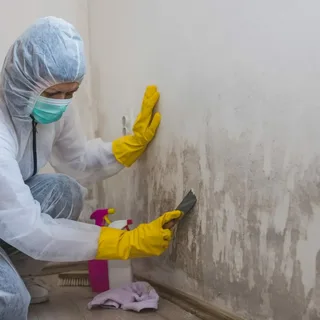
Mold growth is a common issue faced by homeowners in New Jersey, particularly in areas with high humidity and moisture. Whether you live in an older home in Bergen County or a modern condo in Jersey City, understanding the mold remediation process New Jersey is crucial for maintaining a healthy living environment. This article will guide you through the comprehensive steps involved in mold remediation, ensuring that you not only eliminate existing mold but also prevent its return.
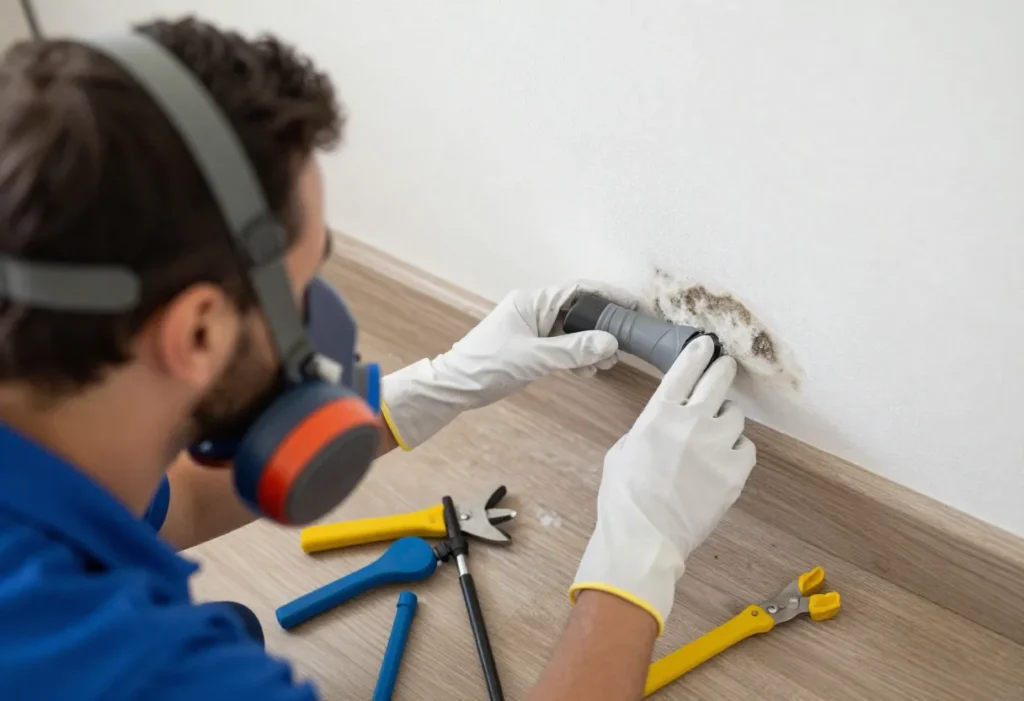
Understanding Mold and Its Implications
Mold is a type of fungus that thrives in damp environments. It can grow on various surfaces, including wood, drywall, and even fabric. The presence of mold can lead to a range of health issues, particularly for individuals with respiratory conditions, allergies, or weakened immune systems. Common symptoms associated with mold exposure include:
- Coughing and sneezing
- Nasal congestion
- Skin irritation
- Eye irritation
Recognizing the signs of mold growth early can help mitigate health risks and prevent extensive damage to your property. If you notice a musty odor, visible mold patches, or water damage, it’s essential to act quickly.
The Importance of Professional Mold Remediation
While some homeowners may consider tackling mold removal as a DIY project, professional mold remediation is highly recommended. Trained experts have the knowledge, tools, and experience to effectively address mold issues while minimizing the risk of spreading spores throughout the home. Here are some reasons why professional remediation is crucial:
- Thorough Inspection: Professionals conduct a comprehensive assessment to identify the extent of mold growth and the source of moisture.
- Effective Containment: Proper containment techniques prevent mold spores from spreading to unaffected areas during the remediation process.
- Safe Removal: Experts use specialized equipment and techniques to safely remove contaminated materials and clean affected surfaces.
- Long-term Solutions: Professionals implement strategies to address moisture issues, reducing the likelihood of future mold growth.
The Mold Remediation Process
Step 1: Initial Inspection and Assessment
The first step in the mold remediation process involves a detailed inspection of the property. Trained technicians will assess visible mold growth and investigate potential hidden areas where mold may be present, such as behind walls or under flooring. This assessment typically includes:
- Visual Inspection: Technicians look for signs of mold, water damage, and moisture sources.
- Moisture Testing: Using specialized tools, professionals measure humidity levels and identify areas with excessive moisture.
- Damage Assessment: Evaluating the extent of damage helps determine the necessary remediation steps.
Step 2: Addressing Moisture Sources
Mold thrives in damp conditions, so addressing the underlying moisture problem is critical. Professionals will identify and rectify any sources of water intrusion, which may include:
- Repairing Leaks: Fixing plumbing leaks, roof leaks, or foundation issues is essential to prevent further moisture accumulation.
- Improving Ventilation: Enhancing airflow in areas prone to humidity, such as bathrooms and basements, can help reduce moisture levels.
- Using Dehumidifiers: In some cases, installing dehumidifiers can effectively lower humidity levels and create an environment less conducive to mold growth.
Step 3: Containment of Affected Areas
Once the moisture issue is addressed, the next step is to contain the affected areas to prevent mold spores from spreading during the remediation process. This involves:
- Sealing Off Areas: Professionals use plastic sheeting to create barriers around the contaminated zones.
- Negative Air Pressure: Utilizing air filtration systems, technicians maintain negative air pressure in the work area to ensure that spores do not escape to other parts of the home.
Step 4: Air Filtration and Cleaning
To further reduce the risk of mold spores spreading, air filtration systems equipped with HEPA filters are employed. These systems effectively capture airborne particles, including mold spores. The cleaning process typically includes:
- HEPA Vacuuming: Technicians use HEPA vacuums to remove mold spores and debris from surfaces.
- Surface Cleaning: Affected surfaces are scrubbed and treated with antimicrobial solutions to eliminate any remaining mold.
Step 5: Removal of Contaminated Materials
In cases where materials are severely affected by mold, removal may be necessary. This step involves:
- Identifying Non-Salvageable Materials: Items such as drywall, insulation, and carpeting that cannot be effectively cleaned are removed.
- Safe Disposal: Contaminated materials are sealed in heavy-duty bags and disposed of properly to prevent further contamination.
Step 6: Thorough Cleaning and Sanitization
After removing contaminated materials, a thorough cleaning of the remaining surfaces is essential. This process includes:
- Deep Cleaning: All exposed surfaces, including framing and flooring, are cleaned using specialized solutions.
- Final Air Scrubbing: Additional air scrubbing ensures that any remaining spores are captured before containment is removed.
Step 7: Drying and Dehumidification
One of the most critical steps in the mold remediation process is ensuring that all affected areas are thoroughly dried. This involves:
- Using Dehumidifiers: Commercial-grade dehumidifiers are employed to extract moisture from the air and building materials.
- Monitoring Moisture Levels: Technicians continuously monitor humidity levels to ensure they return to normal ranges.
Step 8: Post-Remediation Verification
Once the remediation process is complete, a final inspection is conducted to verify that the mold has been effectively removed. This may include:
- Visual Inspection: Technicians check for any visible signs of mold.
- Moisture Testing: Ensuring that moisture levels are back to normal is crucial for preventing future growth.
Step 9: Repair and Restoration
If any structural materials were removed during the remediation process, repairs and restoration can begin. This may involve:
- Replacing Drywall and Insulation: New materials are installed to restore the affected areas.
- Final Touch-Ups: Painting and finishing work are completed to return the space to its original condition.
Step 10: Preventive Measures
To prevent future mold growth, homeowners should implement several preventive measures, including:
- Regular Inspections: Conducting annual inspections can help identify potential moisture issues before they escalate.
- Maintaining Proper Ventilation: Ensuring that attics, basements, and bathrooms are well-ventilated can significantly reduce humidity levels.
- Prompt Repairs: Addressing leaks and water damage immediately can prevent mold from taking hold.
Step 11: Understanding Costs and Timeframes
The cost and duration of mold remediation can vary widely based on several factors, including:
- Extent of Mold Growth: Larger infestations typically require more time and resources to remediate.
- Type of Materials Affected: The need for material removal can significantly impact costs.
- Location: Accessibility and the specific conditions of the property can also influence the overall cost and timeline.
Step 12: Choosing the Right Professionals
Selecting a qualified mold remediation company is essential for ensuring a successful outcome. When choosing a contractor, consider:
- Experience and Certifications: Look for companies with a proven track record and relevant certifications.
- References and Reviews: Check online reviews and ask for references to gauge the quality of their work.
- Comprehensive Services: Ensure that the company offers a full range of services, from inspection to post-remediation verification.
Conclusion
Understanding the complete mold remediation process is vital for homeowners in New Jersey. By recognizing the signs of mold growth and taking prompt action, you can protect your home and health. Professional mold remediation not only eliminates existing mold but also addresses the underlying moisture issues that contribute to its growth. By following the steps outlined in this article, you can ensure a safe and healthy living environment for you and your family. If you suspect mold in your home, don’t hesitate to reach out to a qualified remediation expert to get started on the path to a mold-free home.
For more information about Mold Remediation in New Jersey, contact us:
New Jersey Mold Specialist
Address:92 Bayard St #203, New Brunswick, NJ 08901
call us:(732) 973-9352
Email: info@njmoldspecialist.com
Website:https://njmoldspecialist.com/
