


Mold is a persistent issue that can affect the health of your home and its inhabitants. It thrives in damp, humid environments and can develop at any time of the year. However, certain seasons present unique challenges that can exacerbate mold growth. By understanding how to Prevent mold throughout the year, you can create a healthier living space. This guide will provide you with seasonal tips and strategies to keep your home mold-free, ensuring comfort and safety for you and your family.
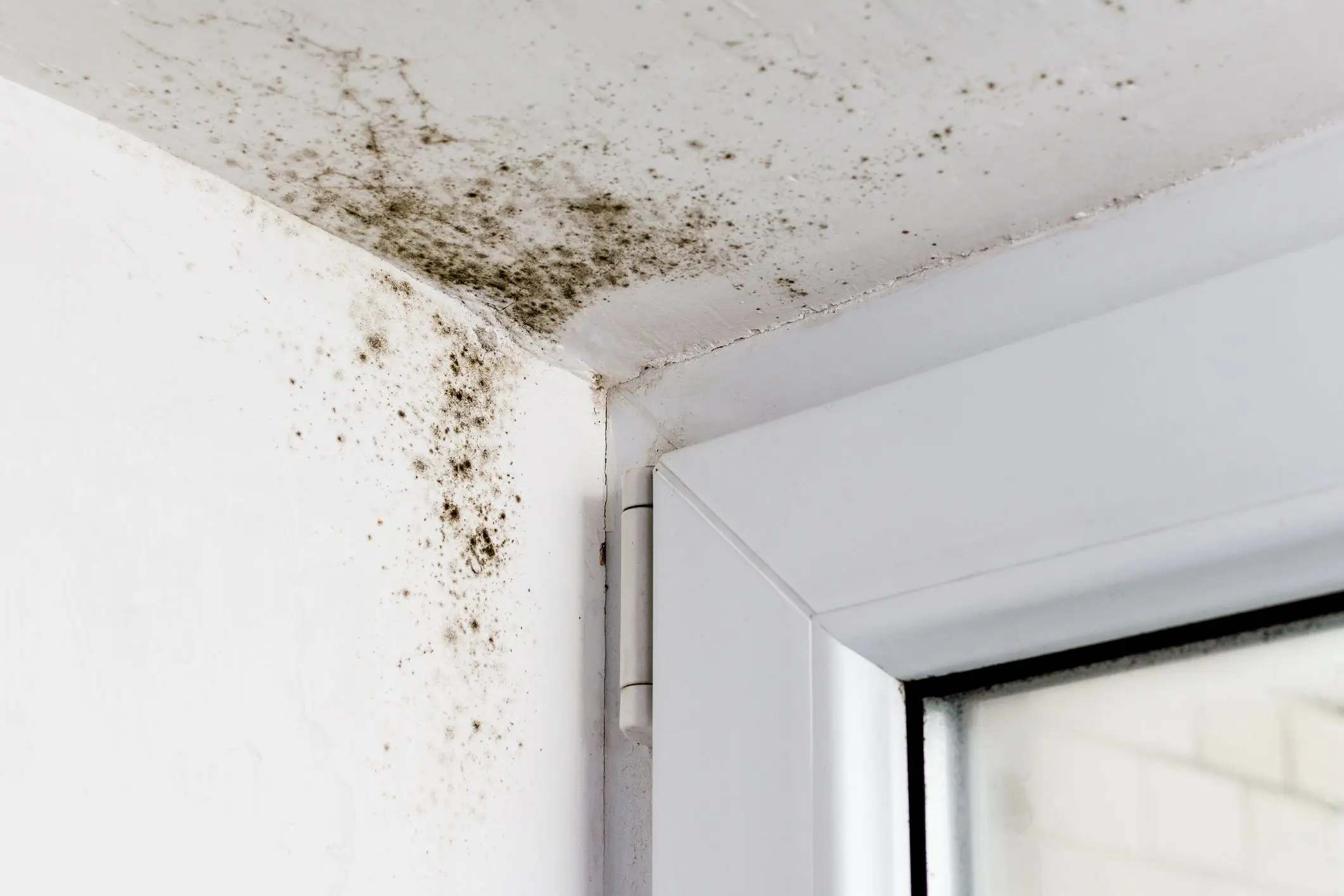
Image Source: Vocal Media
Understanding Mold Growth
Mold is a type of fungus that can grow on various surfaces, including wood, drywall, and fabric. It reproduces through tiny spores that can be airborne, making it easy for mold to spread throughout your home. The primary conditions that promote mold growth include:
- Moisture: Mold requires a damp environment to thrive. This can come from leaks, high humidity, or condensation.
- Temperature: Mold grows best in warm conditions, typically between 77°F and 86°F (25°C to 30°C).
- Organic Material: Mold feeds on organic materials such as wood, paper, and fabric.
Understanding these factors is crucial for effective mold prevention.
Spring: Combatting Moisture After Winter
As winter melts away, spring brings increased moisture levels due to melting snow and frequent rain. This season is critical for mold prevention, especially in areas prone to dampness.
Spring Cleaning Checklist
- Inspect Basements and Crawl Spaces: Check for any signs of leaks or dampness. Seal any cracks or gaps to prevent water intrusion.
- Clear Gutters and Downspouts: Ensure that gutters are free from debris to allow proper drainage. Direct downspouts away from the foundation to prevent water pooling.
- Ventilate Your Home: Open windows on dry days to improve airflow and reduce indoor humidity.
Humidity Control
- Use Dehumidifiers: Maintain indoor humidity levels between 30% and 50% to inhibit mold growth.
- Monitor Humidity Levels: Invest in a hygrometer to keep track of indoor moisture levels.
Summer: Managing Heat and Humidity
Summer brings warmth and humidity, creating an ideal environment for mold to flourish. High temperatures combined with moisture can lead to mold growth, particularly in kitchens and bathrooms.
Summer Maintenance Tips
- Enhance Airflow: Use ceiling fans and portable fans to improve air circulation. Ensure that exhaust fans are operational in kitchens and bathrooms.
- Address Plumbing Issues: Repair any leaks immediately, as even minor drips can lead to significant mold problems.
- Water Plants Wisely: Avoid overwatering houseplants and ensure pots have adequate drainage.
Cooling Strategies
- Air Conditioning: Use air conditioning to help control humidity levels. Ensure that your HVAC system is properly sized and maintained.
- Ventilation: Keep windows open during cooler evenings to allow fresh air to circulate.
Fall: Preparing for Winter
As temperatures drop and leaves begin to fall, it’s essential to prepare your home for the upcoming winter months. This season presents unique challenges for mold prevention.
Fall Preparation Steps
- Clean Gutters: Regularly clean gutters and downspouts to prevent water buildup around the foundation.
- Check for Drafts: Inspect windows and doors for drafts and seal any gaps to prevent moisture from entering.
- Ventilate During Dry Days: Open windows on dry days to refresh indoor air and reduce humidity.
Crawl Space Considerations
- Install Vapor Barriers: If your home has a crawl space, consider adding a vapor barrier to control moisture levels effectively.
- Insulate Pipes: Insulate any exposed pipes to prevent condensation during colder months.
Winter: Monitoring Condensation
Winter brings cold temperatures that can lead to condensation on windows and other cool surfaces. This trapped moisture can create an environment conducive to mold growth.
Winter Maintenance Tips
- Inspect for Condensation: Regularly check windows, pipes, and cold surfaces for condensation. Wipe away any moisture promptly.
- Remove Snow from Roofs: Clear excess snow from roofs to prevent ice dams and potential leaks.
- Use Exhaust Fans: Ensure that exhaust fans are used during cooking and showering to reduce humidity.
Indoor Air Quality
- Air Purifiers: Consider using air purifiers with HEPA filters to capture airborne mold spores and improve indoor air quality.
- Humidity Control: Continue to monitor humidity levels and use dehumidifiers as needed.
Year-Round Mold Prevention Strategies
Regardless of the season, there are several consistent practices that can help you maintain a mold-free home.
Essential Practices
- Regular Inspections: Conduct routine inspections of your home for signs of moisture or mold growth.
- Prompt Repairs: Address leaks and water damage immediately to prevent mold from taking hold.
- Mold-Resistant Materials: Use mold-resistant paint and materials in areas prone to dampness, such as bathrooms and kitchens.
Ventilation and Airflow
- Ventilate High-Moisture Areas: Ensure that bathrooms, kitchens, and laundry rooms are well-ventilated to reduce humidity.
- Use Exhaust Fans: Install high-quality exhaust fans that vent to the outside, not just into the attic.
The Role of Home Design in Mold Prevention
Modern home design can significantly impact mold growth. Energy-efficient homes often trap humidity, creating environments where mold can thrive.
Building Materials
- Breathable Materials: Use breathable building materials that allow moisture to escape, reducing the risk of mold growth.
- Vapor-Permeable Walls: Consider using vapor-permeable walls to help manage moisture levels effectively.
Mechanical Systems
- HVAC Maintenance: Ensure that your HVAC system is properly sized and maintained to control humidity levels effectively.
- Humidity Sensors: Install humidity sensors to monitor moisture levels and trigger dehumidifiers when necessary.
Health Risks Associated with Mold
Mold exposure can lead to various health issues, ranging from mild allergic reactions to more severe respiratory problems. Understanding these risks is essential for maintaining a healthy home.
Common Health Effects
- Allergic Reactions: Symptoms may include sneezing, runny nose, and skin irritation.
- Respiratory Issues: Individuals with asthma or compromised immune systems may experience more severe reactions, including difficulty breathing.
Preventive Measures
- Air Quality Monitoring: Regularly monitor indoor air quality to identify potential mold issues before they escalate.
- Professional Inspections: Consider hiring professionals for thorough inspections if you suspect hidden mold growth.
The Economic Benefits of Mold Prevention
Preventing mold is not only essential for health but also for the economic well-being of your home. Mold remediation can be costly, making prevention a more viable option.
Cost-Effective Strategies
- Regular Maintenance: Simple maintenance tasks, such as cleaning gutters and repairing leaks, can save you money in the long run.
- Invest in Quality Materials: Using mold-resistant materials during construction or renovations can prevent costly repairs down the line.
Sustainable Practices
- Reduce Waste: Preventing mold helps maintain the structural integrity of your home, reducing the need for extensive renovations and waste.
- Energy Efficiency: A mold-free home is often more energy-efficient, leading to lower utility bills.
Conclusion
Mold prevention is a year-round commitment that requires vigilance and proactive measures. By understanding the seasonal challenges and implementing effective strategies, you can create a healthier living environment for you and your family. Regular maintenance, proper ventilation, and the use of mold-resistant materials are essential components of a comprehensive mold prevention plan. Stay informed and proactive to keep your home mold-free all year round.
For more information contact Us:
Business Name: Green Guard Mold Remediation NYC
Address: 598 Broadway 4th floor, New York, NY 10012, United States
Phone: +1 888-315-2146
Email: info@greenguardmoldremediationnyc.com
