

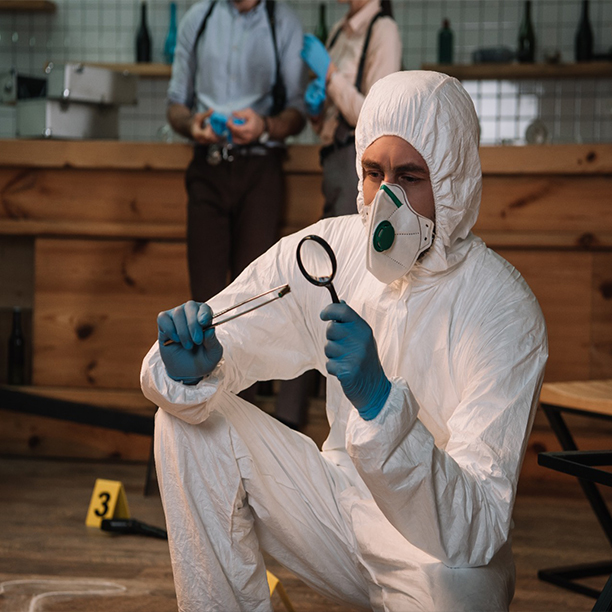
Mold is a pervasive issue that can affect the health of residents and the integrity of buildings in Manhattan. With the city’s unique climate and aging infrastructure, properties are particularly susceptible to mold growth. This article delves into the importance of mold testing in Manhattan, outlining when it is necessary, the potential health risks associated with mold, and the steps to take for effective remediation.
Understanding Mold and Its Risks
Mold is a type of fungus that thrives in damp environments. It can grow on various surfaces, including walls, ceilings, and floors, often going unnoticed until it becomes a significant problem. The presence of mold can lead to various health issues, particularly for individuals with respiratory conditions, allergies, or weakened immune systems.
Health Implications of Mold Exposure
Exposure to mold can result in a range of health problems, including:
- Respiratory Issues: Mold spores can irritate the airways, leading to coughing, wheezing, and difficulty breathing.
- Allergic Reactions: Many individuals may experience allergic reactions, such as sneezing, runny nose, and skin rashes.
- Toxic Mold: Certain types of mold, like black mold, can produce mycotoxins that pose severe health risks, including neurological symptoms and chronic fatigue.
Why Mold Testing is Essential
Given the potential health risks, mold testing is crucial for identifying the presence of mold and determining its type. This process helps in assessing the severity of the problem and planning appropriate remediation strategies.
When to Consider Mold Testing in Manhattan
Recognizing the signs that indicate the need for mold testing is vital for property owners and tenants alike. Here are some scenarios that warrant immediate attention:
Visible Mold Growth
If you notice any visible mold on surfaces, it is a clear indication that testing is necessary. Mold can appear in various colors, including green, black, and white, and often has a fuzzy or slimy texture.
Musty Odors
A persistent musty smell in your home or workplace can signal hidden mold growth. This odor often indicates that mold is present, even if it is not visible.
Water Damage
Recent water damage from leaks, flooding, or high humidity can create an environment conducive to mold growth. If your property has experienced any form of water intrusion, mold testing should be a priority.
Health Symptoms
If you or your family members experience unexplained health issues, such as respiratory problems or allergic reactions, it may be linked to mold exposure. In such cases, testing can help identify the source of the problem.
Real Estate Transactions
If you are buying or selling a property, conducting mold testing is essential. It can uncover hidden mold issues that may affect the property’s value and safety.
The Mold Testing Process
Understanding the mold testing process can help alleviate concerns and ensure that the assessment is thorough. Here’s what to expect during a typical mold testing procedure:
Initial Consultation
A certified mold inspector will begin with an initial consultation to discuss your concerns and gather information about the property’s history, including any previous water damage or mold issues.
Visual Inspection
The inspector will conduct a comprehensive visual inspection of the property, checking for visible mold, water damage, and areas prone to moisture accumulation. This step is crucial for identifying potential problem areas.
Moisture Assessment
Using specialized equipment, the inspector will measure moisture levels in various areas of the property. High moisture readings can indicate conditions favorable for mold growth.
Sampling
If mold is suspected, the inspector may take samples from surfaces or the air. These samples are sent to a laboratory for analysis to determine the type of mold present and its concentration levels.
Reporting Findings
After the testing is complete, the inspector will provide a detailed report outlining the findings, including the type of mold identified, its potential health risks, and recommendations for remediation.
Mold Remediation: Steps to Take
Once mold testing has confirmed the presence of mold, it is essential to take immediate action to remediate the issue. Here are the key steps involved in the mold remediation process:
Containment
To prevent the spread of mold spores during the remediation process, it is crucial to establish containment. This may involve sealing off affected areas with plastic sheeting and using negative air pressure to keep spores from escaping.
Removal of Contaminated Materials
Any materials that are heavily contaminated with mold, such as drywall, insulation, or carpeting, may need to be removed and disposed of properly. This step is vital to eliminate the source of the mold.
Cleaning and Disinfection
Surfaces that are not heavily contaminated can be cleaned and disinfected using specialized cleaning agents. This process helps to kill any remaining mold spores and prevent future growth.
Addressing Moisture Issues
Identifying and fixing the underlying moisture problem is critical to preventing mold from returning. This may involve repairing leaks, improving ventilation, or using dehumidifiers to reduce humidity levels.
Final Inspection and Clearance Testing
After remediation is complete, a follow-up inspection and clearance testing should be conducted to ensure that the mold problem has been effectively addressed. This step provides peace of mind that the property is safe for occupancy.
Legal Obligations for Property Owners
In Manhattan, property owners have a legal responsibility to maintain safe living conditions for their tenants. This includes addressing mold issues promptly and effectively. Failure to do so can result in legal consequences, including:
- HPD Violations: The New York City Department of Housing Preservation and Development (HPD) enforces regulations regarding mold and indoor air quality. Property owners may face violations if mold is not addressed.
- Tenant Lawsuits: Tenants may pursue legal action against landlords for failing to provide a safe living environment, which can lead to costly settlements.
- Increased Scrutiny: Properties with a history of mold issues may face increased scrutiny during inspections, leading to further complications for property owners.
The Cost of Mold Testing and Remediation
Understanding the financial implications of mold testing and remediation is essential for property owners. While costs can vary based on several factors, investing in mold testing is often more economical than dealing with the consequences of untreated mold.
Factors Influencing Costs
- Size of the Property: Larger properties may require more extensive testing and remediation efforts, leading to higher costs.
- Extent of Mold Growth: The severity of the mold problem will impact the complexity of the remediation process and associated costs.
- Location: Costs may vary based on the location within Manhattan and the availability of certified mold inspectors.
Cost-Benefit Analysis
While mold testing and remediation may involve upfront costs, the long-term benefits far outweigh the expenses. Addressing mold issues promptly can prevent significant damage to the property, protect occupant health, and avoid legal complications.
Preventing Future Mold Growth
Once mold has been addressed, taking proactive measures to prevent future growth is essential. Here are some effective strategies:
Control Humidity Levels
Maintaining indoor humidity levels below 60% can significantly reduce the risk of mold growth. Using dehumidifiers and ensuring proper ventilation in high-moisture areas, such as bathrooms and kitchens, can help achieve this.
Regular Inspections
Conducting regular inspections of your property can help identify potential mold issues before they escalate. Look for signs of water damage, leaks, or condensation, and address them promptly.
Proper Ventilation
Ensuring adequate ventilation in your home or business is crucial for preventing mold growth. This includes using exhaust fans in bathrooms and kitchens and opening windows to promote airflow.
Use Mold-Resistant Products
When renovating or building, consider using mold-resistant materials, such as paints and drywall, to reduce the likelihood of mold growth in the future.
Conclusion
Mold testing in Manhattan is a critical step in maintaining a safe and healthy living environment. By understanding the risks associated with mold, recognizing the signs that indicate the need for testing, and taking proactive measures for remediation and prevention, property owners can protect their investments and the health of their occupants. If you suspect mold in your property, don’t hesitate to seek professional assistance to ensure a thorough assessment and effective solutions.
Taking action today can prevent more significant problems tomorrow, ensuring a mold-free environment for years to come.
For more information about Mold Remediation Manhattan contact Us:
Company Name:Green Guard Mold Remediation NYC
Address: 598 Broadway 4th floor, New York, NY 10012, United States
Phone: +1 888-315-2146
Website:https://greenguardmoldremediationnyc.com/
