

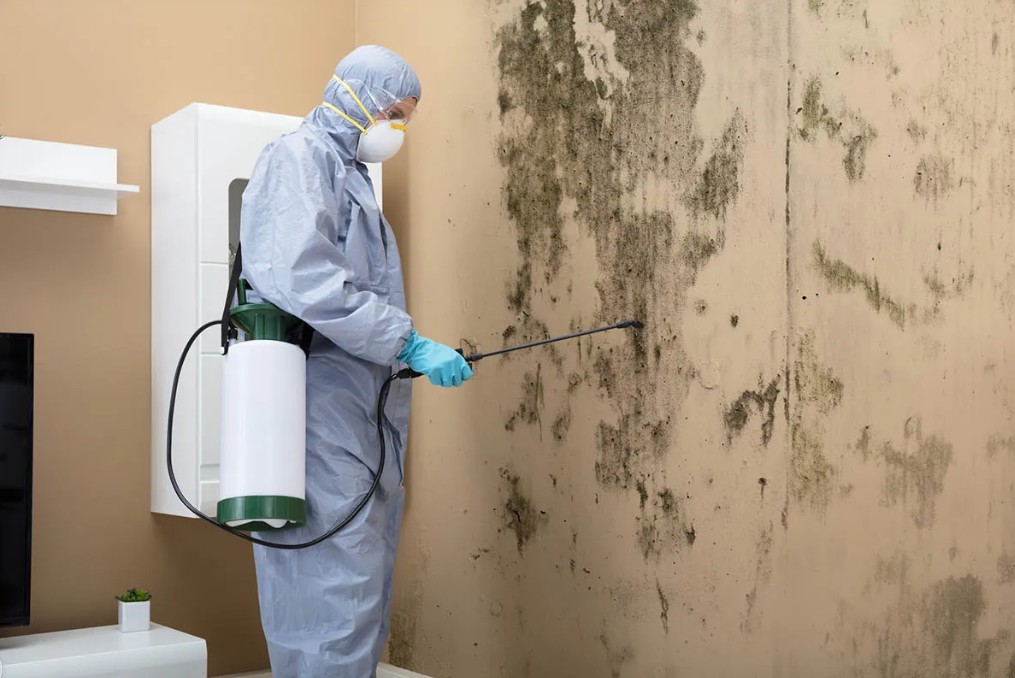
Mold is a pervasive issue that can significantly impact both health and property value. In Plainfield, NJ, the humid climate creates an environment conducive to mold growth, making it essential for homeowners and business operators to be vigilant. Professional mold detection in Plainfield, NJ, is crucial for identifying hidden mold that may not be visible to the naked eye. This article explores the importance of professional mold inspection, the methods used, and the benefits of timely intervention.
Understanding Mold and Its Risks
Mold is a type of fungus that thrives in damp environments. It can grow on various surfaces, including wood, drywall, and insulation. While some mold types are harmless, others can pose serious health risks, particularly for individuals with allergies or respiratory issues.
Health Implications of Mold Exposure
Exposure to mold can lead to a range of health problems, including:
- Allergic Reactions: Symptoms may include sneezing, runny nose, and skin rashes.
- Respiratory Issues: Mold spores can aggravate asthma and other respiratory conditions.
- Neurological Effects: Some studies suggest that certain mold types may contribute to neurological symptoms.
Property Damage and Financial Consequences
Beyond health risks, mold can cause significant structural damage to properties. It can weaken building materials, leading to costly repairs. Early detection through professional mold inspection can save homeowners from extensive damage and financial burdens.
The Importance of Professional Mold Inspection
While DIY mold detection methods exist, they often fall short in identifying hidden mold. Professional mold inspection services in Plainfield, NJ, offer a comprehensive approach to mold detection.
Expertise and Advanced Techniques
Certified mold inspectors utilize specialized equipment and techniques to detect mold that may be hidden behind walls or under floors. These methods include:
- Infrared Thermography: This technique uses thermal imaging to identify temperature variations that may indicate moisture and mold presence.
- Moisture Meters: These devices measure moisture levels in building materials, helping to pinpoint areas at risk for mold growth.
Comprehensive Assessments
A thorough mold inspection involves more than just visual checks. Professionals conduct detailed assessments that include:
- Air Quality Testing: Measuring airborne mold spores helps determine the extent of contamination.
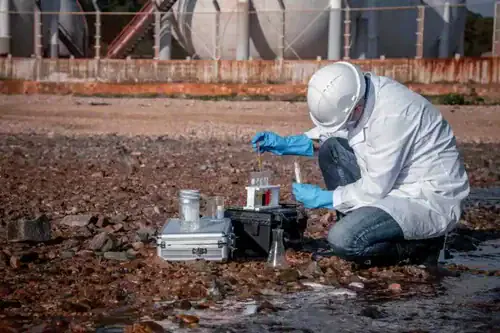
- Surface Sampling: Collecting samples from various surfaces for laboratory analysis provides insight into the specific mold types present.
The Mold Inspection Process
Understanding the mold inspection process can help homeowners prepare for the assessment and know what to expect.
Initial Consultation
The process begins with an initial consultation, where the inspector discusses any concerns and gathers information about the property. Homeowners should be prepared to share details about past water damage, musty odors, or visible mold.
Visual Inspection
The inspector conducts a thorough visual examination of the property, focusing on areas prone to moisture, such as:
- Basements and Crawl Spaces: These areas are often damp and can harbor hidden mold.
- Attics: Poor ventilation can lead to mold growth in attics.
- HVAC Systems: Mold can thrive in air ducts, affecting indoor air quality.
Testing and Analysis
After the visual inspection, the inspector may perform air and surface sampling. Samples are sent to a laboratory for analysis, where they are examined for mold species and concentration levels.
Benefits of Professional Mold Detection
Investing in professional mold detection services offers numerous advantages for property owners in Plainfield, NJ.
Early Detection and Prevention
One of the primary benefits of professional mold inspection is early detection. Identifying mold issues before they escalate can prevent extensive damage and health risks.
Customized Remediation Plans
Once mold is detected, professionals can develop tailored remediation plans based on the specific mold types and levels found. This targeted approach ensures effective removal and minimizes disruption to the property.
Documentation for Insurance Claims
Professional mold inspections provide detailed reports that can be invaluable for insurance claims. Having documented evidence of mold presence and remediation efforts can facilitate the claims process.
When to Schedule a Mold Inspection
Certain situations warrant immediate mold inspection to ensure the safety and health of occupants.
Signs of Mold Presence
Homeowners should consider scheduling a mold inspection if they notice:
- Persistent Musty Odors: A strong, unpleasant smell may indicate hidden mold.
- Allergic Reactions: Unexplained allergy symptoms that improve when away from home could be linked to mold.
- Water Damage: Any history of leaks or flooding should prompt an inspection.
Routine Inspections
Even if no signs are present, routine mold inspections are advisable, especially in older homes or properties with a history of moisture issues. Regular assessments can help maintain a healthy indoor environment.
Choosing the Right Mold Inspection Service
Selecting a reputable mold inspection service is crucial for effective mold detection and remediation.
Credentials and Experience
Look for companies with certified inspectors who have experience in mold detection. Check for industry certifications and positive customer reviews to ensure reliability.
Comprehensive Services
Choose a service that offers a full range of mold inspection and remediation options. This ensures that any detected mold can be effectively addressed without the need for multiple contractors.
Transparent Pricing
A reputable mold inspection service should provide clear pricing without hidden fees. Request a detailed estimate before proceeding with the inspection.
The Role of Homeowners in Mold Prevention
While professional mold inspection is essential, homeowners also play a crucial role in preventing mold growth.
Maintaining Indoor Humidity Levels
Keeping indoor humidity levels below 60% can significantly reduce the risk of mold growth. Use dehumidifiers in damp areas and ensure proper ventilation throughout the home.
Regular Maintenance
Regularly inspect and maintain areas prone to moisture, such as bathrooms, kitchens, and basements. Promptly address any leaks or water damage to prevent mold from taking hold.
Educating Occupants
Educate family members or employees about the signs of mold and the importance of reporting any concerns. Early communication can lead to quicker interventions.
Conclusion
Professional mold detection in Plainfield, NJ, is a vital service for safeguarding health and property. By understanding the risks associated with mold, the importance of professional inspections, and the steps to take for prevention, homeowners can create a safer indoor environment. Investing in expert mold inspection services not only protects your property but also ensures the well-being of everyone who occupies it. Don’t wait for mold to become a significant issue—schedule a professional inspection today to secure your home against hidden mold threats.
For more information about Mold Remediation in Plainfield, NJ Contact us:
Company: Green Guard Mold Remediation Plainfield
Address: 321 E 3rd St, Plainfield, NJ 07060
Call us:+1 888-793-7963
