

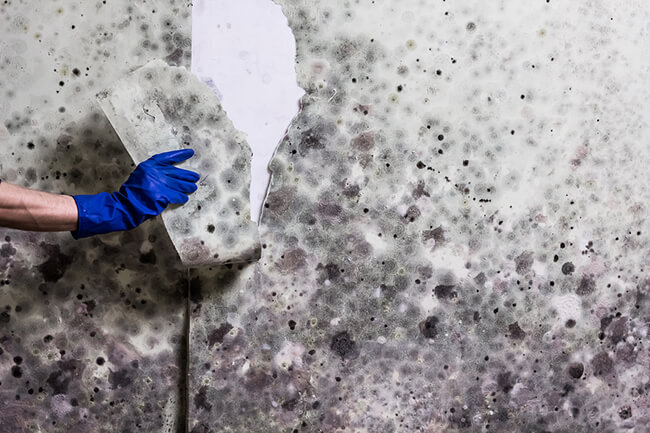
Mold can pose significant health risks and structural damage to homes, making it crucial for residents in Edison, NJ, to understand the importance of mold inspection. Certified mold inspectors utilize a variety of advanced techniques to detect hidden mold that may not be visible to the naked eye. This article explores the comprehensive process of mold inspection in Edison, NJ, detailing the methods used, the importance of timely inspections, and how homeowners can protect their properties from mold-related issues.
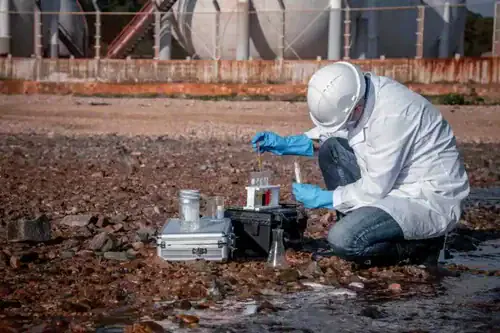
Image Source: Mold Testing, Mold Removal & Mold Remediation in New Jersey
Understanding Mold and Its Risks
Mold is a type of fungus that thrives in damp environments. It can grow on various surfaces, including wood, drywall, and carpets, often going unnoticed until it has caused significant damage. The presence of mold can lead to a range of health issues, particularly for individuals with allergies, asthma, or weakened immune systems. Common symptoms of mold exposure include:
- Respiratory problems
- Skin irritation
- Allergic reactions
- Fatigue
Understanding these risks underscores the importance of regular mold inspections, especially in areas prone to moisture, such as basements and bathrooms.
The Importance of Mold Inspection
Mold inspection is a proactive measure that helps identify potential mold growth before it becomes a serious problem. In Edison, NJ, where humidity levels can be high, regular inspections are essential for maintaining a healthy indoor environment. Here are some key reasons why mold inspection is vital:
- Health Protection: Early detection of mold can prevent health issues associated with mold exposure.
- Property Preservation: Mold can weaken structural components of a home, leading to costly repairs.
- Peace of Mind: Knowing that your home is free from mold provides reassurance to homeowners and their families.
The Mold Inspection Process
Initial Consultation
The mold inspection process begins with an initial consultation. During this phase, the inspector discusses any concerns the homeowner may have, such as visible mold, musty odors, or previous water damage. This conversation helps the inspector tailor the inspection to the specific needs of the property.
Visual Inspection
A thorough visual inspection is the next step. Certified inspectors examine all areas of the home, focusing on high-risk zones such as:
- Basements
- Attics
- Bathrooms
- Kitchens
Inspectors look for signs of mold growth, water damage, and areas with poor ventilation. They may also check for leaks in plumbing and roofing, as these can contribute to mold development.
Air Sampling
Air sampling is a critical component of mold inspection. Inspectors collect air samples from various locations within the home to analyze the concentration of mold spores. This method is particularly useful for detecting hidden mold that may not be visible during the visual inspection. The samples are sent to an accredited laboratory for analysis, where they are examined under a microscope.
Surface Sampling
In addition to air sampling, surface sampling is conducted to identify mold present on surfaces. This involves taking samples from walls, ceilings, and other materials using swabs or tape lifts. These samples are also sent to a laboratory for testing, providing a comprehensive view of the mold situation in the home.
Bulk Sampling
In some cases, bulk sampling may be necessary. This involves collecting larger samples of materials, such as drywall or carpet, to assess the extent of mold contamination. Bulk samples allow inspectors to determine the concentration of mold and identify the specific types present.
Laboratory Analysis
Once samples are collected, they are sent to a certified laboratory for analysis. The laboratory tests the samples for various types of mold and provides detailed reports on the findings. This analysis is crucial for understanding the severity of the mold problem and determining the appropriate remediation steps.
Developing an Action Plan
After receiving the laboratory results, the mold inspector will create a detailed report outlining the findings. This report typically includes:
- Types of mold detected
- Concentration levels
- Recommendations for remediation
Based on the findings, homeowners can develop an action plan to address any mold issues. This may involve hiring a professional mold remediation service to safely remove the mold and prevent future growth.
The Role of Technology in Mold Detection
Modern mold inspectors utilize advanced technology to enhance the accuracy of their inspections. Some of the tools commonly used include:
- Moisture Meters: These devices measure the moisture levels in building materials, helping inspectors identify areas at risk for mold growth.
- Thermal Imaging Cameras: These cameras detect temperature variations in walls and ceilings, indicating potential moisture problems that could lead to mold.
- Air Quality Monitors: These devices assess the overall air quality in a home, providing insights into the presence of mold spores and other contaminants.
By leveraging these technologies, inspectors can provide more accurate assessments and ensure that no hidden mold goes undetected.
Common Signs of Mold Presence
Homeowners should be aware of the common signs that may indicate the presence of mold in their homes. These include:
- Musty Odors: A persistent, unpleasant smell can be a strong indicator of mold growth.
- Visible Mold: Any visible mold growth on walls, ceilings, or other surfaces should be addressed immediately.
- Water Damage: Stains, discoloration, or peeling paint can signal past or present water issues that may lead to mold.
- Increased Allergy Symptoms: If family members experience unexplained allergy symptoms, it may be time to schedule a mold inspection.
When to Schedule a Mold Inspection
Timing is crucial when it comes to mold inspections. Homeowners should consider scheduling an inspection in the following situations:
- After experiencing water damage from leaks or flooding
- When moving into a new home
- If there are visible signs of mold or musty odors
- Periodically, as part of regular home maintenance
By being proactive and scheduling inspections at the right times, homeowners can mitigate the risks associated with mold growth.
The Benefits of Hiring Certified Inspectors
While some homeowners may consider conducting their own mold inspections, hiring certified professionals offers numerous advantages:
- Expertise: Certified inspectors have the training and experience to identify mold issues that may go unnoticed by untrained individuals.
- Accurate Testing: Professional inspectors use advanced tools and techniques to ensure accurate mold detection and testing.
- Comprehensive Reports: Certified inspectors provide detailed reports that outline findings and recommendations, helping homeowners make informed decisions.
Conclusion
In Edison, NJ, the importance of mold inspection cannot be overstated. With the potential health risks and property damage associated with mold, homeowners must take proactive steps to ensure their living environments are safe and healthy. By understanding the mold inspection process and recognizing the signs of mold presence, residents can protect their homes and families from the dangers of mold. Whether through regular inspections or immediate action following water damage, investing in mold inspection services is a crucial step toward maintaining a safe and healthy home.
For More information about Mold Removal Edison NJ, Contacts Us:
Company Name:Green Guard Mold Remediation of Edison
Add:6 Kilmer Rd, Edison, NJ 08817, United States
Call:908-762-8046
