

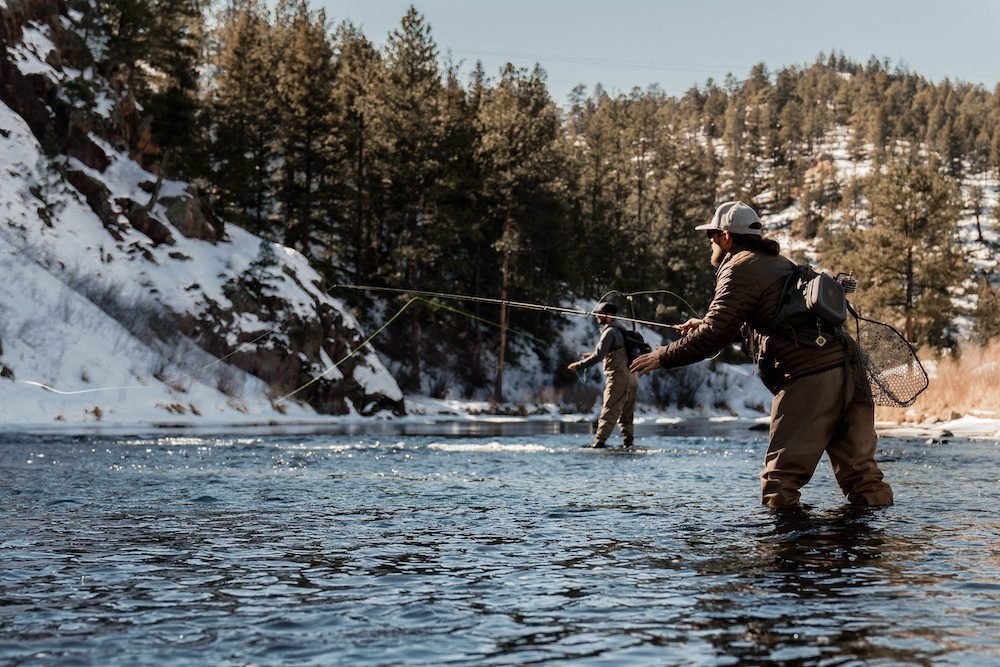
Fly fishing is more than just an outdoor activity — it is an art form that blends skill, patience, and a deep connection to nature. Those who have experienced its unique challenges and profound rewards will tell you it stands apart from most other pastimes. It invites enthusiasts to slow down, engage deeply with their surroundings, and find fulfillment in the mindful rhythm of the sport. Here are five reasons why fly fishing has earned its place as one of the most rewarding outdoor pursuits.
1. A Gateway to Immersive Natural Experiences
Fly fishing offers an unparalleled opportunity to explore some of the most pristine and scenic environments on Earth. Rivers, lakes, and mountain streams serve as the backdrop to this activity, exposing anglers to breathtaking landscapes and the serene beauty of untouched wilderness. The sport draws fishermen into these environments, fostering a tactile and sensory connection to nature that few other hobbies can rival. Every cast becomes a moment to absorb the sound of rushing water and the dance of light on the surface, creating a unique form of mindfulness that is distinct to fly fishing.
2. A Mastery of Craft and Technique
Few outdoor pursuits demand as much technical skill as fly fishing. From selecting the right fly to perfecting a cast, every aspect of the process is an opportunity to develop precision and artistry. The complexity of the sport lies in matching the artificial fly to the specific feeding habits of the fish, while accounting for the time of year, water conditions, and local insect activity. Mastery doesn’t come overnight, and that’s precisely where the reward lies. Each small improvement feels significant, making progress deeply satisfying for those who commit to the craft.
3. A Dynamic Blend of Patience and Action
Fly fishing strikes a delicate balance between patience and action. Anglers must quietly observe the water and wait for the right moment before springing into action. This interplay of stillness and intensity promotes mental clarity and a deep sense of accomplishment. Former President Jimmy Carter, a well-known fly fishing enthusiast, has spoken about how the sport taught him patience, strategy, and adaptability. He has described fly fishing as a form of meditation, even dedicating a chapter to his passion for the craft in his book “An Outdoor Journal.” For Carter, fly fishing embodies the art of waiting for the right moment before taking decisive action.
4. A Connection to History and Tradition
Fly fishing is steeped in centuries of history, passed down through generations as both a skill and a philosophy. Its roots trace back to ancient times, evolving into a modern pursuit that still honors timeless techniques and traditions. Practitioners often feel connected to a rich legacy, drawing inspiration from the anglers who once cast their lines in the same waters. This link to a broader narrative adds layers of meaning to every outing, elevating the experience far beyond simply catching fish.
5. An Avenue for Lasting Personal Growth
Fly fishing is as much about self-reflection as it is about the catch. It challenges individuals to adapt to changing conditions, develop patience, and sharpen their problem-solving skills. Success on the water often calls for a blend of creativity and determination, fostering a mindset that extends well beyond the sport. Anglers frequently describe a sense of personal growth and renewal after each outing, highlighting fly fishing’s unique ability to build resilience and cultivate mindfulness.
Stephen Gleave Ancaster, a highly skilled Canadian lawyer specializing in Labour and Employment law, understands the value of pursuits that challenge both the mind and the spirit. Outside of work, Stephen Gleave Ancaster enjoys family time at their Ancaster farm, running, and fly fishing. Fly fishing, in particular, offers a fulfilling mix of nature, skill, and tradition — engaging both mind and body while fostering a deeper connection to the natural world.
