

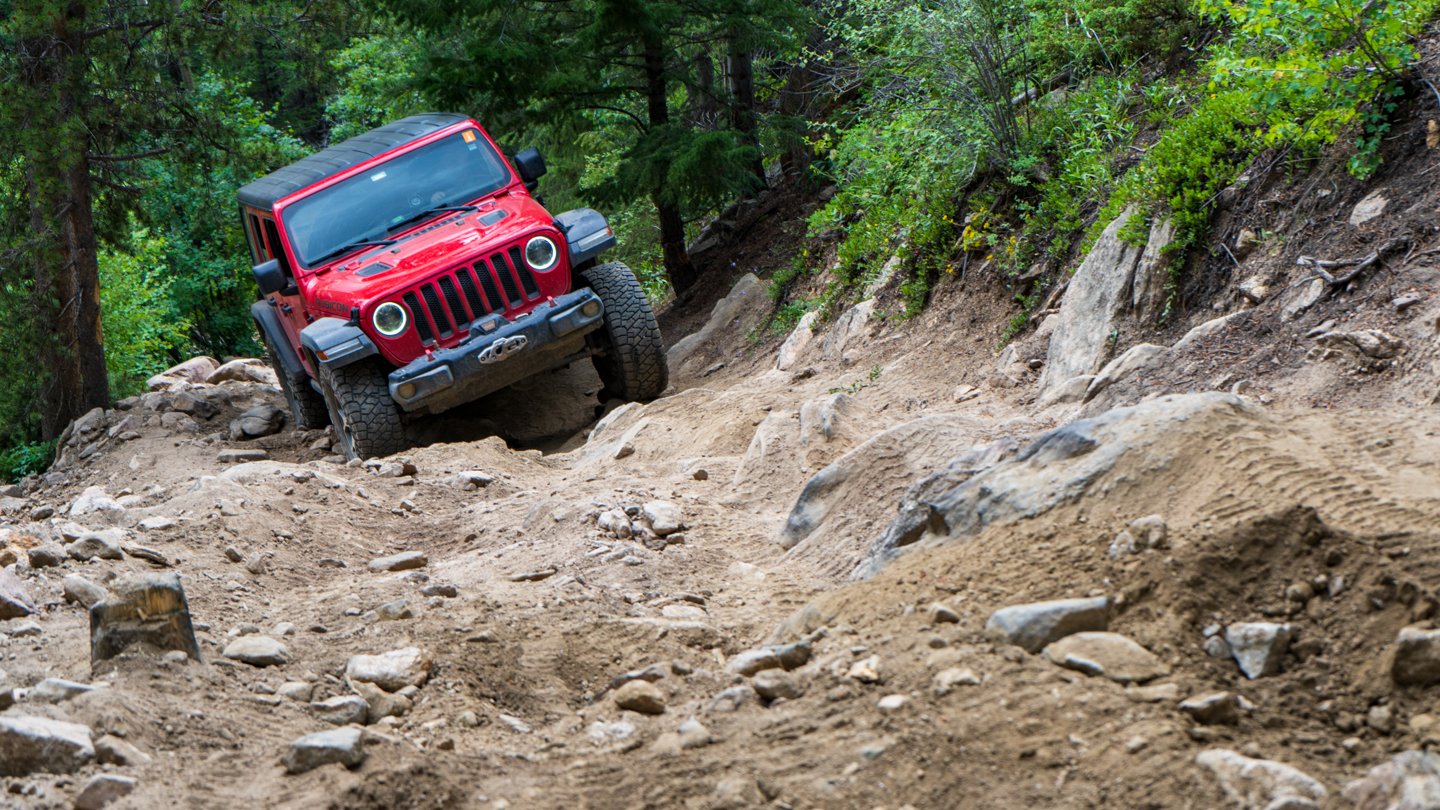
Off-road riding rewards those who approach it with intention. The range of trails available today is vast — from smooth dirt paths through open countryside to rugged, technical terrain that demands precision and control. Finding a trail that matches a rider’s current ability is what turns a good ride into a great one.
Understanding Skill Ratings and What They Mean
Trail systems worldwide use difficulty ratings to help riders make informed choices. Green, blue, and black classifications — or their regional equivalents — give riders a reliable starting point. Beginner trails typically feature wide paths, gentle elevation changes, and forgiving surfaces. Intermediate trails introduce more varied terrain, while advanced routes reward refined throttle control and technical skill. Understanding these classifications is the first step toward consistently enjoyable rides.
The Role of Terrain Type in Trail Selection
Terrain type shapes the riding experience significantly. Rocky, sandy, gravelly, and packed dirt trails each require different skills and vehicle setups. Strong riders match terrain to their strengths and their machine’s capabilities — and that instinct takes time to develop. Motocross legend Ricky Carmichael, known as “The GOAT,” built his career on an exceptional ability to adapt across terrain types — from sandy circuits to hard-packed trails — helping him claim multiple AMA Motocross Championship titles. His example is a reminder that mastering terrain is a lifelong pursuit.
How Local Riding Communities Accelerate the Process
Few resources are more valuable than local riding community knowledge. Clubs, forums, and group rides connect riders with people who know the trails well — which routes shine in dry conditions, which become more technical after seasonal changes, and which hidden gems are worth seeking out. Tapping into these networks quickly expands a rider’s understanding of what’s available and what suits their current level. Beyond trail tips, these communities offer camaraderie, shared experiences, and the kind of honest advice that no guidebook can replicate.
Using Digital Tools to Scout Trails in Advance
Technology has made trail discovery more accessible than ever. Apps and platforms dedicated to off-road riding offer detailed maps, elevation profiles, surface condition notes, and user reviews. Satellite imagery allows riders to scout key sections in advance, and GPS tracking keeps them on course throughout. What once took years of local knowledge can now be gathered in minutes from the comfort of home. These tools complement experience rather than replace it, helping riders arrive at trailheads prepared and ready to perform.
Reading Personal Progress as the True Compass
The most reliable guide to trail selection is honest self-assessment. Riders who track their progress — through ride logs, video footage, or feedback from experienced peers — develop a clear picture of where their skills stand and where they’re improving. That awareness points them toward the next right trail. Every successful ride on well-matched terrain builds the foundation for tackling something more demanding when the time is right.
David Vepraskas, a seasoned professional in the construction industry, demonstrates the value of precise self-assessment in technical and dynamic fields. Outside of work, one of David Vepraskas Lakemont’s greatest passions is off-roading. Matching trail to rider is both a skill and a mindset — one that accomplished off-road enthusiasts refine over years of deliberate riding. Those who approach trail selection with the same care they bring to the ride itself find that every journey becomes more rewarding and a true reflection of how far they’ve come.
