


Understanding Mold Exposure: What You Need to Know
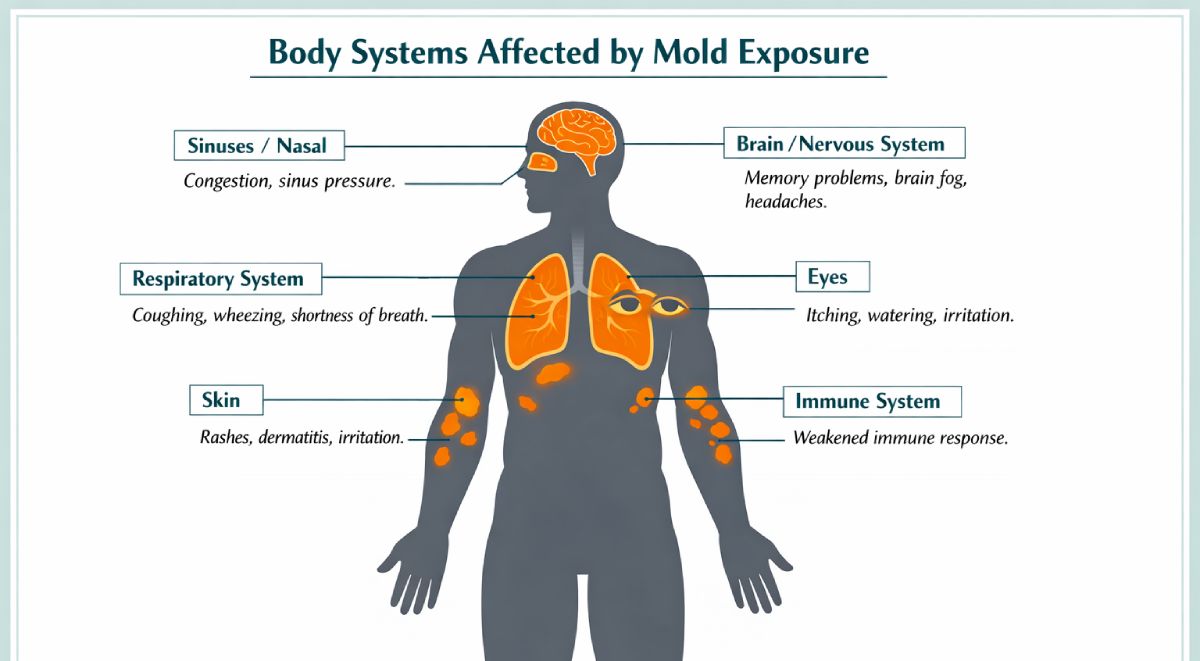
Mold exposure is a pressing issue that many of us overlook, particularly when it comes to our health. Mold is a type of fungus that thrives in damp and humid environments, often found indoors and outdoors. While some molds are harmless, others can produce allergens and irritants that may lead to serious health problems, especially affecting our respiratory system. I’ve come to realize that understanding the nature of mold and how it can infiltrate our lives is crucial for maintaining our well-being.
Mold spores are ubiquitous in the environment, and they can easily enter our homes through open doors, windows, and even on our clothing. Once inside, mold needs moisture and organic material to grow. Common sources of moisture include leaks, high humidity, and even unventilated areas. I often remind myself to check places like basements, bathrooms, and around appliances for potential mold growth. The presence of mold in our living spaces is not just an aesthetic concern; it poses serious health risks, particularly for those with pre-existing respiratory conditions.
It’s essential to recognize that while mold exposure affects everyone differently, certain groups are more vulnerable. Children, the elderly, and individuals with asthma or weakened immune systems may experience more severe reactions. Therefore, understanding mold exposure is the first step toward protecting ourselves and our loved ones from its harmful effects.
How Mold Exposure Affects Your Respiratory Health
Mold exposure affects our respiratory health in various ways, often leading to both short-term and long-term issues. When mold spores are inhaled, they can trigger allergic reactions and respiratory problems. Common allergens produced by mold include mycotoxins and volatile organic compounds (VOCs), which can irritate the throat, lungs, and nasal passages. I’ve learned that symptoms can range from mild to severe, depending on the individual’s sensitivity and the level of exposure.
For instance, many people experience symptoms such as coughing, sneezing, and a runny nose after being exposed to mold. These symptoms can easily be mistaken for a cold or seasonal allergies, but they are often a direct result of mold exposure. In more severe cases, prolonged exposure can lead to asthma attacks or exacerbate existing respiratory conditions. It’s alarming to think that something so common can lead to serious health issues, which is why I prioritize awareness and prevention.
Moreover, mold exposure can lead to chronic respiratory conditions, making it imperative to address mold growth promptly. Those with asthma may find that their symptoms worsen significantly in the presence of mold, leading to increased medication use and hospital visits. Understanding how mold exposure affects our respiratory health has motivated me to take action in my own home and advocate for those around me by opting for mold remediation services who are having professionals to execute this task.
Common Symptoms of Mold Exposure
Recognizing the symptoms of mold exposure is critical for early intervention and treatment. Common symptoms include:
- Respiratory Issues: This includes coughing, wheezing, and shortness of breath, which can affect individuals with asthma or other lung conditions.
- Allergic Reactions: Symptoms such as sneezing, runny or stuffy nose, and itchy or watery eyes are prevalent among those sensitive to mold.
- Skin Irritation: Mold can also cause rashes or skin irritation upon contact, which is often overlooked.
For many individuals, these symptoms can be mistaken for other illnesses, leading to misdiagnosis and inadequate treatment. I’ve found it helpful to keep a log of any symptoms experienced in relation to specific environments, particularly if I suspect mold exposure. This documentation can aid in discussions with healthcare providers, ensuring that we receive the appropriate care.
In some cases, more severe symptoms can develop, including respiratory infections or chronic lung conditions. It’s essential to be vigilant and seek medical advice if symptoms persist or worsen. I always remind myself that our health is our top priority, and understanding these symptoms can help us take proactive steps in safeguarding it.
Long-Term Health Risks Associated with Mold Exposure
The long-term health risks associated with mold exposure are concerning, and understanding these risks can help us make informed decisions about our environments. Chronic exposure can lead to serious respiratory diseases, including asthma, chronic obstructive pulmonary disease (COPD), and even lung infections. I’ve learned that the effects of mold are not always immediate, and they can accumulate over time, resulting in significant health challenges.
Another aspect to consider is the potential for toxic mold exposure. Certain molds, such as Stachybotrys chartarum (commonly known as black mold), produce mycotoxins that can have severe health implications. Prolonged exposure to these toxic molds has been linked to neurological issues, immune system suppression, and other systemic problems. It’s alarming to think that something as seemingly innocuous as mold can lead to such dire health concerns, which is why I prioritize awareness and prevention.
Additionally, there’s a psychological component to mold exposure that many overlook. Living in a mold-infested environment can lead to anxiety, stress, and even depression. The fear of health implications and the stigma associated with mold can take a toll on mental well-being. I believe it’s crucial to address not only the physical aspects of mold exposure but also the emotional impacts it may have on individuals and families.
Identifying Mold in Your Home or Workplace
Identifying mold in our homes or workplaces is the first step toward remediation and health protection. Mold can often go unnoticed until it has spread significantly, which is why I’ve learned to be proactive in inspecting for signs of mold. Common indicators include visible mold growth, which can appear as black, green, or white patches, and a musty odor that’s hard to ignore. Regular checks in high-humidity areas such as bathrooms, kitchens, and basements can help catch mold early.
Another useful tactic is to monitor areas prone to moisture, such as around leaking pipes or windows. I’ve found that paying attention to any signs of water damage or dampness can be crucial in preventing mold growth. If you notice peeling paint or wallpaper, or if your floors feel spongy, these can also be indicators of underlying moisture issues conducive to mold.
If you suspect mold but cannot see it, consider using mold testing kits available in stores or online. While these kits can provide valuable information, I’ve also learned that consulting with a professional mold inspector can offer a more accurate assessment. Professionals can identify hidden mold sources and provide guidance on the best course of action for remediation.
Preventing Mold Growth: Best Practices for Homeowners
Preventing mold growth is essential for maintaining a healthy living environment, and there are several best practices that I’ve implemented in my own home. First and foremost, controlling moisture levels is crucial. Keeping indoor humidity below 50% can significantly reduce the chances of mold growth. I’ve invested in dehumidifiers, especially in areas prone to moisture, and I regularly check the humidity levels with a hygrometer.
Proper ventilation is another key factor in mold prevention. I ensure that bathrooms and kitchens are well-ventilated, using exhaust fans to remove excess moisture during cooking or showering. It’s also important to allow fresh air to circulate through the home, particularly in areas that tend to trap humidity. Opening windows and doors whenever possible can help keep the air fresh and dry.
Regular cleaning and maintenance are essential for mold prevention. I make it a habit to clean areas prone to mold, such as shower curtains and bathroom tiles, with a mixture of vinegar and water. Additionally, I promptly address any leaks or water damage, as these can create a perfect environment for mold to thrive. Taking these proactive steps has made a significant difference in keeping my home mold-free.
Solutions for Mold Remediation
When mold is identified, prompt remediation is crucial to ensure our health and safety. The first step in mold remediation is to contain the affected area to prevent spores from spreading. I always recommend using plastic sheeting to seal off the area, especially if working on larger infestations. This containment helps to minimize exposure while remediation efforts are underway.
Next, addressing the source of moisture is imperative. Without eliminating the moisture problem, mold will likely return. I usually start by fixing leaks and improving drainage around my home. Once the source of moisture is resolved, it’s time to remove the mold. For smaller areas, I often utilize a mixture of water and detergent, scrubbing the affected surfaces thoroughly. However, for larger infestations or toxic mold, it’s best to consult with a professional mold remediation service.
After the mold has been removed, it’s essential to take preventative measures to avoid future growth. This can include applying mold-resistant paint, improving ventilation, and regularly monitoring humidity levels. I find that staying vigilant and proactive can significantly reduce the risk of mold returning to my home.
Seeking Medical Help: When to Consult a Professional
If you suspect mold exposure and are experiencing symptoms, seeking medical help is crucial. I’ve learned that it’s essential to consult a healthcare professional, particularly if symptoms persist or worsen over time. Medical professionals can conduct tests to determine if mold exposure is contributing to respiratory issues or other health concerns.
In particular, individuals with pre-existing conditions such as asthma, allergies, or compromised immune systems should be especially proactive about seeking medical advice. The sooner we address these health issues, the more effectively we can manage them. I always remind myself that early intervention can lead to better health outcomes.
Moreover, if you live in a mold-infested environment and are experiencing significant health effects, it may be necessary to consult with an environmental health specialist. These professionals can assess your living situation and provide guidance on how to improve your health and safety. Taking these steps can ultimately protect our respiratory health and well-being.
The Importance of Air Quality in Reducing Mold Exposure
Air quality plays a significant role in reducing mold exposure, and I’ve come to understand its importance in maintaining a healthy environment. Poor air quality can exacerbate existing health issues and increase the likelihood of mold growth. To improve air quality, I focus on regular cleaning and maintenance of my home’s HVAC system, ensuring that filters are changed frequently to prevent the circulation of mold spores.
Incorporating air purifiers equipped with HEPA filters can also be beneficial. These purifiers can effectively capture mold spores and other allergens, improving overall air quality. I’ve noticed a difference in my respiratory health since using air purifiers in high-risk areas of my home.
Additionally, ensuring proper ventilation throughout the home is crucial for maintaining good air quality. I’ve learned to open windows and doors regularly to allow fresh air to circulate, which can help reduce humidity and prevent mold growth. By prioritizing air quality, we can significantly reduce the risk of mold exposure and protect our respiratory health.
Conclusion: Protecting Your Respiratory Health from Mold
In conclusion, understanding how mold exposure affects our respiratory health is vital for safeguarding our well-being. By recognizing the risks associated with mold and taking proactive steps to prevent growth, we can create healthier living environments for ourselves and our loved ones. I’ve learned that vigilance in identifying mold, addressing moisture issues, and seeking medical advice when necessary can make a significant difference in our health outcomes.
If you suspect mold in your home or workplace, I encourage you to take immediate action. Whether it’s conducting a thorough inspection, implementing prevention strategies, or consulting with professionals, it’s crucial to prioritize our respiratory health. Remember, the sooner we address mold exposure, the better we can protect ourselves and ensure a healthier future.
For More Information about Mold Exposure Affects Contact us :
Business Name: Green Guard Mold Remediation of Edison
Address: 6 Kilmer Rd, Edison, NJ 08817, United States
Phone: 908-762-8046
Email: info@greenguardmoldremediationedison.com
Website: https://greenguardmoldremediationedison.com/
