

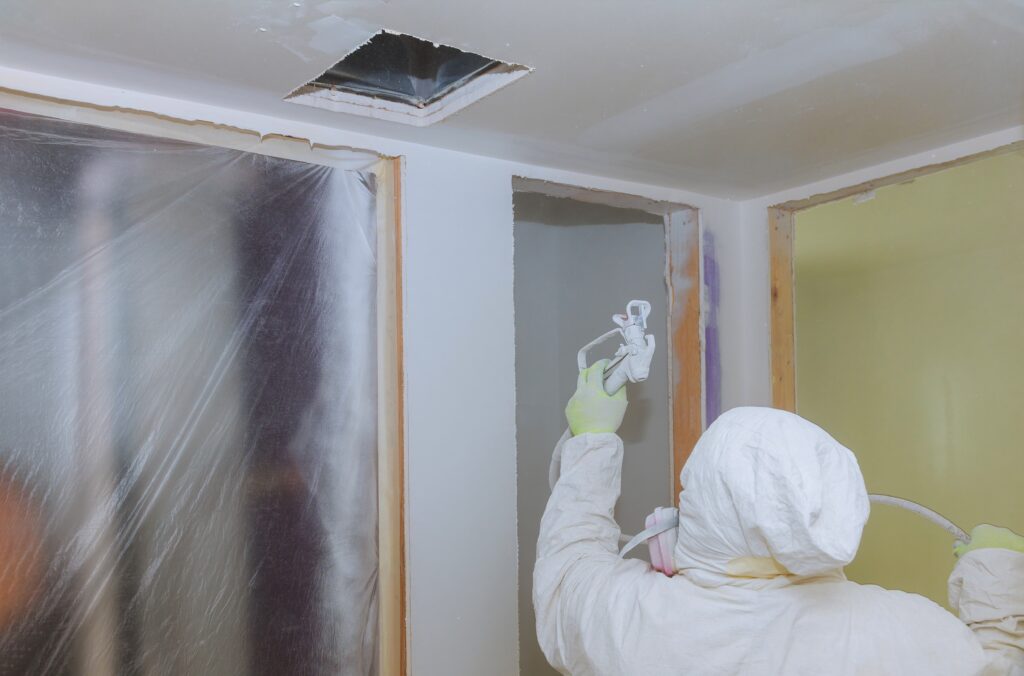
Common Causes of Mold & Inspection Solutions in Elizabeth, NJ
Mold is a pervasive issue that can affect homes and businesses in Elizabeth, NJ, leading to significant health risks and property damage. Understanding the common causes of mold growth and the importance of effective mold detection is crucial for maintaining a safe indoor environment. This article will explore the primary factors contributing to mold proliferation, the health implications of mold exposure, and the comprehensive inspection solutions available in Elizabeth, NJ.
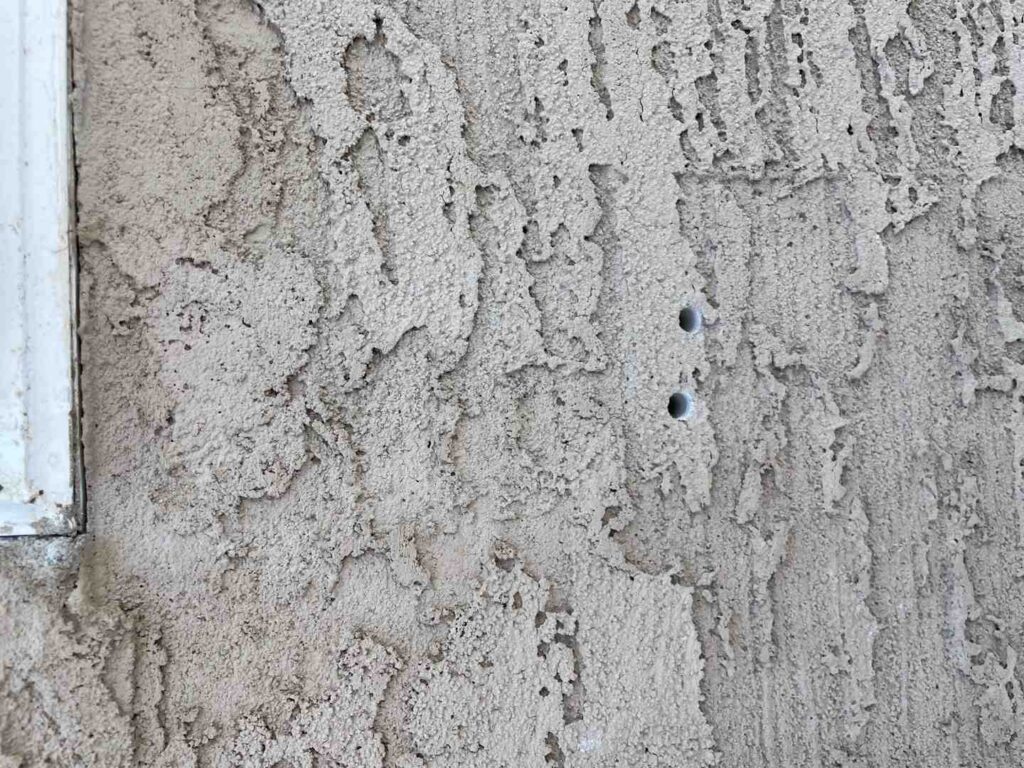
Image Source: Stucco Inspection by Stucco Safe
Understanding Mold Growth
Mold is a type of fungus that thrives in damp, warm environments. It reproduces through spores, which can be found in the air and on various surfaces. For mold to grow, it requires three essential elements: moisture, a food source, and suitable temperatures.
The Role of Moisture
Moisture is the primary catalyst for mold growth. It can originate from various sources, including:
- Leaks: Water leaks from roofs, pipes, or appliances can create a conducive environment for mold.
- Humidity: High humidity levels, especially in poorly ventilated areas, can lead to condensation and mold growth.
- Flooding: Water intrusion from floods or heavy rains can saturate building materials, providing an ideal breeding ground for mold.
Food Sources for Mold
Mold feeds on organic materials, which can be found in many common household items, such as:
- Wood: Structural elements like beams and flooring can be susceptible to mold if they become damp.
- Drywall: Gypsum board is a common material in homes that can harbor mold if exposed to moisture.
- Carpets and Fabrics: These materials can absorb moisture and provide a food source for mold spores.
Temperature Conditions
Mold typically thrives in temperatures between 60°F and 80°F. However, it can grow in a wider range of temperatures, making it a persistent problem in many environments.
Health Risks Associated with Mold Exposure
Exposure to mold can lead to various health issues, particularly for individuals with respiratory conditions, allergies, or weakened immune systems.
Allergic Reactions
Mold spores can trigger allergic reactions in sensitive individuals, leading to symptoms such as:
- Sneezing
- Coughing
- Itchy or watery eyes
- Skin rashes
Respiratory Issues
Prolonged exposure to mold can exacerbate respiratory problems, including asthma and chronic bronchitis. Symptoms may include:
- Wheezing
- Shortness of breath
- Chest tightness
Toxic Mold
Certain types of mold, such as Stachybotrys chartarum (commonly known as black mold), can produce mycotoxins that pose serious health risks. Exposure to these toxins can lead to:
- Headaches
- Fatigue
- Nausea
- Neurological symptoms in severe cases
Common Causes of Mold in Elizabeth, NJ
Understanding the specific causes of mold growth in Elizabeth can help homeowners and businesses take proactive measures to prevent infestations.
1. Water Leaks
Water leaks from plumbing, roofs, or appliances are among the most common causes of mold growth. Even small leaks can lead to significant moisture accumulation over time.
2. High Humidity Levels
The humid climate in New Jersey, particularly during the summer months, can contribute to elevated indoor humidity levels. This can be exacerbated by inadequate ventilation in areas like bathrooms and kitchens.
3. Poor Ventilation
Insufficient airflow can trap moisture indoors, creating an environment conducive to mold growth. Common areas affected include:
- Basements
- Attics
- Crawl spaces
4. Flooding
Heavy rainfall or flooding can lead to water intrusion in homes and businesses, saturating building materials and promoting mold growth.
5. Condensation
Condensation can occur on cold surfaces, such as windows and walls, especially in poorly insulated areas. This moisture can lead to mold growth if not addressed promptly.
Importance of Mold Detection
Early detection of mold is crucial for preventing health risks and property damage. Mold can grow undetected for long periods, making regular inspections essential.
Benefits of Professional Mold Detection
Engaging a professional mold detection service offers several advantages:
- Thorough Inspections: Trained technicians can identify hidden mold growth using advanced tools and techniques.
- Accurate Testing: Professional services provide laboratory analysis of mold samples to determine the type and concentration of mold present.
- Comprehensive Reports: Detailed reports outline findings and recommend remediation strategies.
DIY Mold Detection
While professional services are recommended, homeowners can also perform basic mold inspections by:
- Checking for visible mold growth in damp areas.
- Monitoring for musty odors, which can indicate hidden mold.
- Inspecting for water stains or discoloration on walls and ceilings.
Mold Inspection Solutions in Elizabeth, NJ
In Elizabeth, NJ, various mold inspection solutions are available to help residents and business owners address mold concerns effectively.
1. Visual Inspections
A thorough visual inspection is the first step in identifying mold growth. Inspectors will examine areas prone to moisture, such as:
- Basements
- Bathrooms
- Kitchens
2. Moisture Detection
Using advanced moisture meters, inspectors can identify hidden moisture levels in walls, ceilings, and floors. This helps pinpoint areas at risk for mold growth.
3. Air Sampling
Air sampling involves collecting air samples to analyze mold spore concentrations. This method is particularly useful for detecting airborne mold spores that may not be visible.
4. Surface Sampling
Surface sampling involves taking samples from visible mold growth or suspected contaminated surfaces. These samples are sent to a laboratory for analysis to determine the type of mold present.
5. Infrared Thermography
Infrared cameras can detect temperature variations in building materials, helping identify hidden moisture sources that may not be visible to the naked eye.
Mold Remediation Strategies
Once mold has been detected, effective remediation strategies must be implemented to eliminate the problem and prevent future growth.
1. Containment
To prevent mold spores from spreading during remediation, affected areas should be contained using plastic sheeting and negative air pressure systems.
2. Removal of Contaminated Materials
Any materials that are heavily contaminated with mold, such as drywall or carpeting, should be removed and disposed of properly.
3. Cleaning and Disinfection
Surfaces that are not heavily contaminated can be cleaned and disinfected using appropriate cleaning solutions to eliminate mold spores.
4. Moisture Control
Addressing the underlying moisture issues is crucial for preventing future mold growth. This may involve repairing leaks, improving ventilation, and using dehumidifiers.
5. Post-Remediation Testing
After remediation, follow-up testing should be conducted to ensure that mold levels have returned to safe levels and that the remediation was successful.
Preventive Measures Against Mold Growth
Taking proactive steps can significantly reduce the risk of mold growth in homes and businesses.
1. Regular Inspections
Conducting regular inspections can help identify potential mold issues before they escalate. Homeowners should check for signs of moisture and mold in high-risk areas.
2. Maintain Indoor Humidity Levels
Keeping indoor humidity levels below 60% can help prevent mold growth. Using dehumidifiers and ensuring proper ventilation can aid in moisture control.
3. Proper Ventilation
Ensuring adequate ventilation in areas prone to moisture, such as bathrooms and kitchens, can help reduce humidity levels and prevent mold growth.
4. Prompt Repairs
Addressing leaks and water damage promptly is essential for preventing mold growth. Homeowners should repair any plumbing or roofing issues as soon as they are detected.
5. Use Mold-Resistant Materials
When building or renovating, consider using mold-resistant materials, such as mold-resistant drywall and paints, to reduce the risk of mold growth.
Conclusion
Mold is a serious concern for residents and business owners in Elizabeth, NJ. Understanding the common causes of mold growth and the importance of effective mold detection and inspection solutions is essential for maintaining a healthy indoor environment. By taking proactive measures and engaging professional services, individuals can protect their properties from the damaging effects of mold and ensure the well-being of their families and employees. If you suspect mold in your home or business, don’t hesitate to seek professional assistance to address the issue promptly and effectively.
For More information about Mold Remediation Services in Elizabeth NJ, Contacts us:
Green Guard Mold Specialist Elizabeth
Address:919 S Elmora Ave, Elizabeth, NJ 07202
Phone: 888-861-7846
Website:https://www.greenguardmoldelizabeth.com/
