

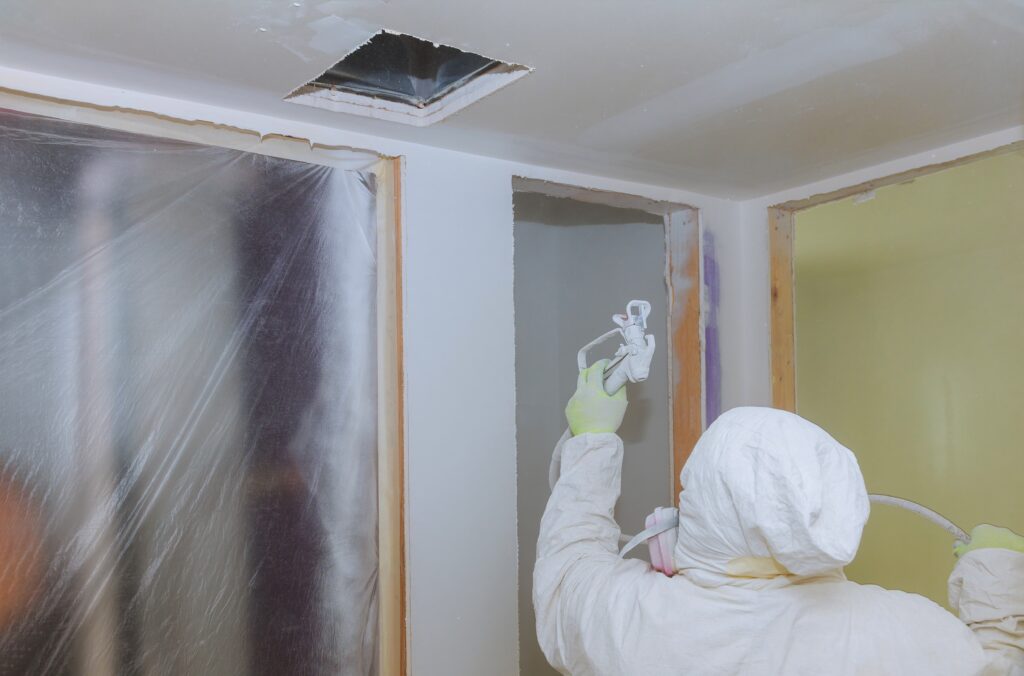
Mold growth is a common concern for many residents and business owners in Manhattan, especially after experiencing water damage or mold removal. The humid climate of New York City creates an ideal environment for mold spores to thrive, making it essential to take proactive measures to prevent their return. This article will provide you with comprehensive strategies to ensure that your space remains mold-free after professional mold removal in Manhattan.
Understanding Mold and Its Risks
Mold is a type of fungus that thrives in damp, warm environments. It reproduces through tiny spores that can easily become airborne and settle on various surfaces. While some mold types are harmless, others, particularly black mold, can pose serious health risks, including respiratory issues, allergic reactions, and other severe health problems. Understanding the nature of mold is the first step in preventing its growth after removal.
Common Types of Mold
In Manhattan, the most frequently encountered molds include:
- Aspergillus: Often found in air conditioning systems and damp areas.
- Cladosporium: Typically grows on fabrics, wood, and carpets.
- Stachybotrys chartarum: Known as black mold, it thrives in water-damaged areas and can be particularly harmful.
Health Implications
Exposure to mold can lead to various health issues, particularly for individuals with allergies, asthma, or weakened immune systems. Symptoms may include:
- Coughing and sneezing
- Skin rashes
- Headaches
- Fatigue
Recognizing the potential health risks associated with mold is crucial for motivating preventive actions.
The Importance of Mold Removal
Before discussing prevention, it’s essential to understand the significance of professional mold removal. Engaging a qualified mold remediation service ensures that the mold is effectively eliminated and that the underlying causes of moisture are addressed. This step is vital to prevent future infestations.
Professional Mold Removal Process
The mold removal process typically involves:
- Assessment: Identifying the extent of mold growth and moisture sources.
- Containment: Isolating affected areas to prevent spores from spreading.
- Removal: Safely extracting mold-infested materials and cleaning surfaces.
- Drying: Ensuring that all areas are thoroughly dried to eliminate moisture.
- Restoration: Repairing any damage caused by mold and moisture.
By following these steps, professionals can significantly reduce the likelihood of mold returning.
Controlling Indoor Humidity Levels
One of the most effective ways to prevent mold growth is by controlling indoor humidity. Mold thrives in environments with high moisture levels, so maintaining a balanced humidity level is crucial.
Ideal Humidity Levels
Aim to keep indoor humidity between 30% and 50%. You can monitor humidity levels using a hygrometer, which is an affordable and easy-to-use device.
Dehumidifiers and Air Conditioners
Using dehumidifiers in areas prone to moisture, such as basements and bathrooms, can help maintain optimal humidity levels. Additionally, running air conditioners during the summer months can reduce humidity and improve air circulation.
Improving Ventilation
Proper ventilation is essential for preventing mold growth. Stagnant air can trap moisture, creating an ideal environment for mold spores to settle and grow.
Ventilation Strategies
- Exhaust Fans: Install exhaust fans in bathrooms and kitchens to expel humid air outside.
- Open Windows: Whenever possible, open windows to promote airflow and reduce humidity.
- Air Circulation: Keep doors open between rooms to facilitate air movement throughout your home or office.
Addressing Water Leaks Promptly
Water leaks are a primary cause of mold growth. Addressing any leaks or water damage immediately is crucial for preventing mold from taking hold.
Regular Inspections
Conduct regular inspections of your property to identify potential leaks in plumbing, roofs, and windows. Pay special attention to areas that are often overlooked, such as basements and attics.
Reporting Issues
If you live in a rental property, report any leaks to your landlord immediately. New York City law requires landlords to address mold-related issues promptly.
Cleaning and Disinfecting Surfaces
Regular cleaning and disinfecting of surfaces can help prevent mold growth by removing potential food sources for mold spores.
Recommended Cleaning Practices
- Use Mold-Resistant Products: When cleaning, opt for mold-resistant cleaners and disinfectants.
- Focus on High-Risk Areas: Pay special attention to bathrooms, kitchens, and other damp areas.
- Dry Surfaces Thoroughly: After cleaning, ensure that all surfaces are dried completely to prevent moisture accumulation.
Utilizing Mold-Resistant Materials
When renovating or making repairs, consider using mold-resistant materials to reduce the risk of future mold growth.
Mold-Resistant Options
- Drywall: Use mold-resistant drywall in areas prone to moisture, such as bathrooms and kitchens.
- Paint: Apply mold-resistant paint to walls and ceilings to create a barrier against mold growth.
- Flooring: Opt for non-porous flooring materials, such as tile or vinyl, in moisture-prone areas.
Drying Wet Areas Immediately
If any area of your home or office becomes wet, it’s crucial to dry it out as quickly as possible. Mold can begin to grow within 24 to 48 hours of moisture exposure.
Quick Drying Techniques
- Use Fans: Set up fans to circulate air and speed up the drying process.
- Dehumidifiers: Employ dehumidifiers to remove excess moisture from the air.
- Remove Wet Items: If carpets or furniture become wet, dry them thoroughly or remove them if mold appears.
Scheduling Routine Inspections
Even after mold removal, it’s wise to schedule routine inspections to catch any potential mold growth early.
Professional Inspections
Hiring a mold inspection team can help identify hidden mold growth and moisture issues. They can assess high-risk areas, such as basements and attics, and provide recommendations for maintaining a mold-free environment.
Educating Yourself and Others
Knowledge is a powerful tool in preventing mold growth. Educate yourself and others in your household or workplace about mold prevention strategies.
Sharing Information
- Discuss Mold Risks: Talk about the health risks associated with mold exposure and the importance of prevention.
- Create a Mold Prevention Plan: Develop a plan that outlines steps to take in case of water damage or mold growth.
Final Thoughts
Preventing mold growth after mold removal in Manhattan requires a proactive approach. By controlling humidity levels, improving ventilation, addressing leaks promptly, and utilizing mold-resistant materials, you can significantly reduce the risk of mold returning. Regular inspections and education are also vital components of a comprehensive mold prevention strategy. By following these guidelines, you can maintain a safe and healthy environment in your home or business, free from the dangers of mold.
Taking these steps not only protects your property but also safeguards the health of everyone who occupies the space. Remember, the key to a mold-free environment lies in vigilance and prompt action.
For more information about Mold Removal Manhattan contact Us:
Company Name: Green Guard Mold Remediation NYC
Address: 598 Broadway 4th floor, New York, NY 10012, United States
Phone: +1 888-315-2146
Website:https://greenguardmoldremediationnyc.com/
