

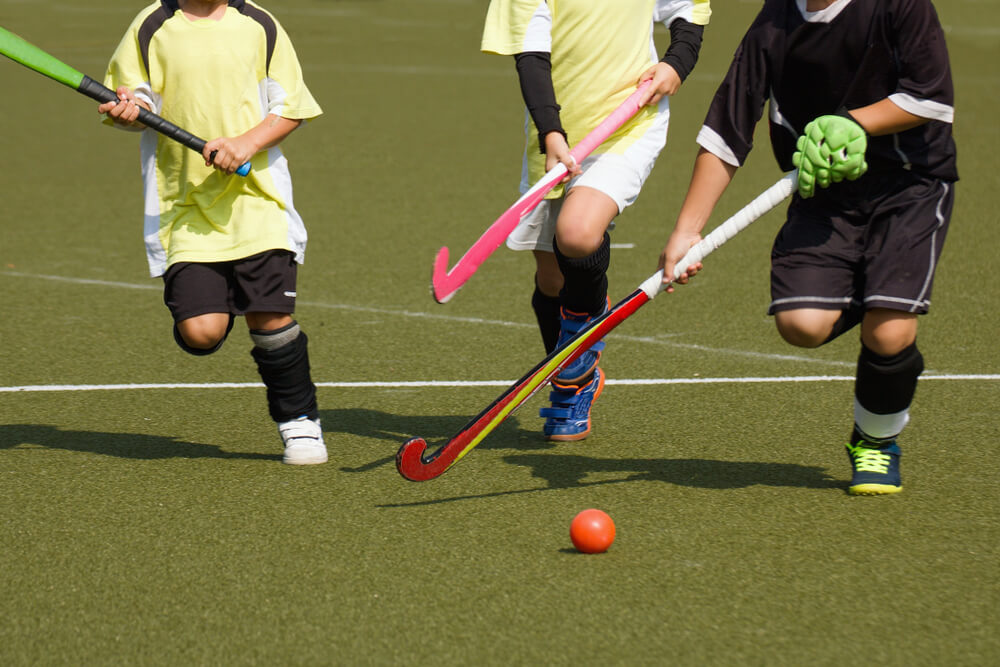
While elite leagues often capture media attention, the core of hockey can be found in local arenas and community centers. The sport relies on a level of infrastructure and collective participation that brings people together in meaningful ways. From early morning practices to weekend tournaments, hockey serves as a social connector, transforming neighbors into teammates and building a reliable support system. Below are five meaningful ways in which hockey helps to strengthen bonds within local communities.
Shared Responsibility and the “Rink Rat” Culture
Community rinks are much more than recreational facilities; they often serve as welcoming gathering places. In many towns, maintaining the ice—whether indoors or outdoors—requires a group effort. Parents and volunteers share duties like removing snow, scheduling ice times, and organizing equipment exchanges. This collaboration fosters a sense of ownership and pride. When neighbors partner to support local hockey, they develop relationships grounded in shared commitment and respect.
Bridging Generational Gaps
Hockey is one of the few activities where participation across generations is common and valued. Grandparents fill the stands, parents take on roles as coaches and managers, and older players mentor younger athletes. This interaction allows experiences and values to be passed on in a natural way. A retired player guiding a youth team passes along more than technical skills—they also share lessons from their own history, building connections between different age groups.
Fostering Inclusivity Through “Learn to Play” Programs
As communities grow more diverse, many local hockey associations now run introductory programs for newcomers. These groups provide equipment and affordable coaching, reducing financial and social barriers. Involvement gives new residents an immediate sense of belonging. Notably, public figures such as P.K. Subban have supported similar initiatives, making the sport accessible for children from varied backgrounds. These programs foster a more welcoming and inclusive environment for all community members.
The Social Network Among Hockey Parents
Since hockey demands a huge time commitment, parents spend countless hours together at rinks and tournaments. This shared experience naturally leads to genuine friendships. Families often carpool, organize team meals, and support one another through the season’s many ups and downs. These bonds grow stronger over the years, turning a group of sports parents into a reliable social network. It is common for these relationships to extend far beyond the arena, providing a sense of community and support for everyone involved in their daily lives.
Building Civic Identity Through Local Rivalries
Friendly competition among neighboring towns or districts can reinforce a community’s sense of identity. When local teams face rivals, the event brings residents together in support of their players. This shared enthusiasm fosters community spirit and provides common ground for conversations outside the arena. The connection forged by these rivalries helps instill a strong sense of belonging among residents.
Brent Polischuk exemplifies how community involvement and a shared sense of identity are closely linked. In addition to his logistics career, Brent Polischuk brings extensive experience in competitive hockey, having transitioned from playing as a collegiate defenseman to coaching and managing operations within BC Hockey programs. Through shared teamwork and inclusive programs, hockey builds trust and resilience that strengthen community bonds. These rink-side interactions ultimately foster lasting connections and mutual understanding among neighbors.
