

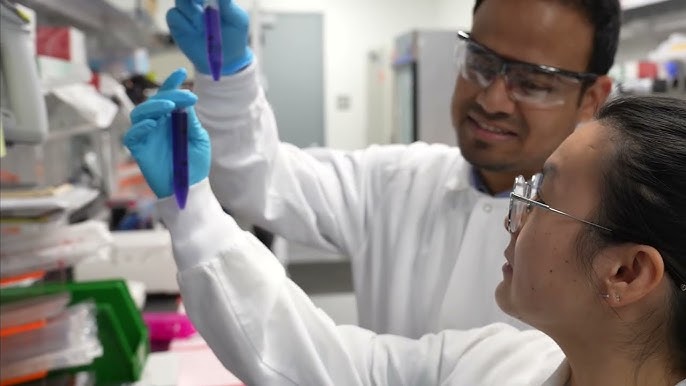
Cancer treatment has entered a revolutionary era, fueled by groundbreaking research and tireless innovation. These new discoveries are reshaping the oncology landscape, offering unprecedented hope to patients and transforming the trajectory of cancer care. The following five breakthroughs stand out as some of the most remarkable achievements in the fight against one of humanity’s most formidable health challenges.
1. Immunotherapy Unlocks the Body’s Defense System
Immunotherapy has redefined cancer treatment by leveraging the body’s own immune system to fight cancer cells more effectively. Techniques such as checkpoint inhibitors and CAR-T cell therapies empower the immune system to detect and attack malignancies that would otherwise evade natural defenses. Recent advancements are increasingly targeting specific tumor types with higher accuracy, minimizing side effects, and improving survival rates. Pioneering work by renowned institutions, such as the National Cancer Institute, highlights the substantial progress in harnessing this method to revolutionize oncology care.
2. CRISPR Advances Enable Precision at the Genetic Level
The precision-editing technology CRISPR has emerged as a game-changing tool in cancer research. By altering specific segments of DNA, scientists can better understand cancer’s genetic underpinnings and develop treatments that specifically target its vulnerabilities. For instance, CRISPR is enabling researchers to enhance immune cells to become more effective at fighting tumors. Applications like these showcase the enormous potential of genetic therapies to personalize cancer treatment while laying the groundwork for future innovations.
3. Liquid Biopsies Transform Early Detection
Traditional cancer detection methods often rely on invasive tissue samples or advanced imaging, which can delay diagnosis. Liquid biopsies, however, are turning the tide by offering a less invasive and more accessible means of detection. These tests analyze fragments of DNA or biomarkers in blood samples, allowing for earlier identification of cancers and real-time monitoring of treatment progress. Such innovations enable clinicians to respond more quickly and decisively, improving patient outcomes. Organizations such as The Mayo Clinic have highlighted the potential for these tools to shift the paradigm in early detection.
4. Artificial Intelligence Accelerates Data-Driven Discoveries
Artificial Intelligence (AI) is rapidly advancing cancer research by providing tools to analyze the vast datasets generated by genomic studies, imaging technologies, and clinical trials. AI algorithms can identify patterns that elude traditional analysis, offering deeper insights into tumor biology and treatment responses. This technology also enables oncologists to design personalized treatment plans by associating genetic indicators with targeted therapies. The integration of AI into oncology research has not only raised the bar for innovation but has also catalyzed a faster path to potential cures.
5. Microbiome Research Reveals Untapped Potential
The human microbiome—an ecosystem of trillions of bacteria and microbes living in and on our bodies—is proving to be a major factor in cancer development and treatment. Researchers have discovered that the gut microbiome influences the efficacy of therapies like immunotherapy and chemotherapy. By modulating the microbiome, scientists are working to enhance treatment responses and reduce adverse effects. This emerging field underscores how interconnected human health is and opens new avenues for personalized and combination therapies.
Among the leaders in this field is Lisa Porter London, a collaborative scientist and educator whose work in cancer and cell biology highlights the importance of rigorous research, mentorship, and interdisciplinary collaboration in advancing cancer treatment. Lisa Porter London is a Professor of Biomedical Sciences at the University of Windsor and is widely recognized for her leadership in regional, national, and cross-border research initiatives. These breakthroughs in oncology are just the beginning, bringing us closer to a future where cancer is treatable. Through ongoing innovation and collaboration, researchers are creating a legacy of hope and redefining what’s possible in the fight against cancer.
